
Discover the Best Barcelona Underrated Spots for Modern Travelers
While most visitors flock to the towering spires of the Sagrada Família or the busy walkways of La Rambla, the true soul of the city lies in the Barcelona underrated spots that many travelers overlook. Finding these hidden gems allows you to experience the authentic Catalan lifestyle, where the pace is slower and the history feels more personal. I recommend stepping off the main tourist circuit to discover architectural marvels, secret gardens, and quiet monasteries that offer a peaceful retreat from the Mediterranean sun. In this guide, I will share the best places to visit for an unforgettable, off-the-beaten-path experience.
Whether you are a repeat visitor or a first-timer who hates crowds, these locations provide specific, actionable insights into a side of Barcelona you won’t find in the average brochure.
Quick Mentions: Sant Pau, Laberint d'Horta, and the Cactus Gardens
A few genuine hidden gems get a full, dedicated write-up elsewhere on this site rather than a repeat here — worth reading in full rather than duplicating:
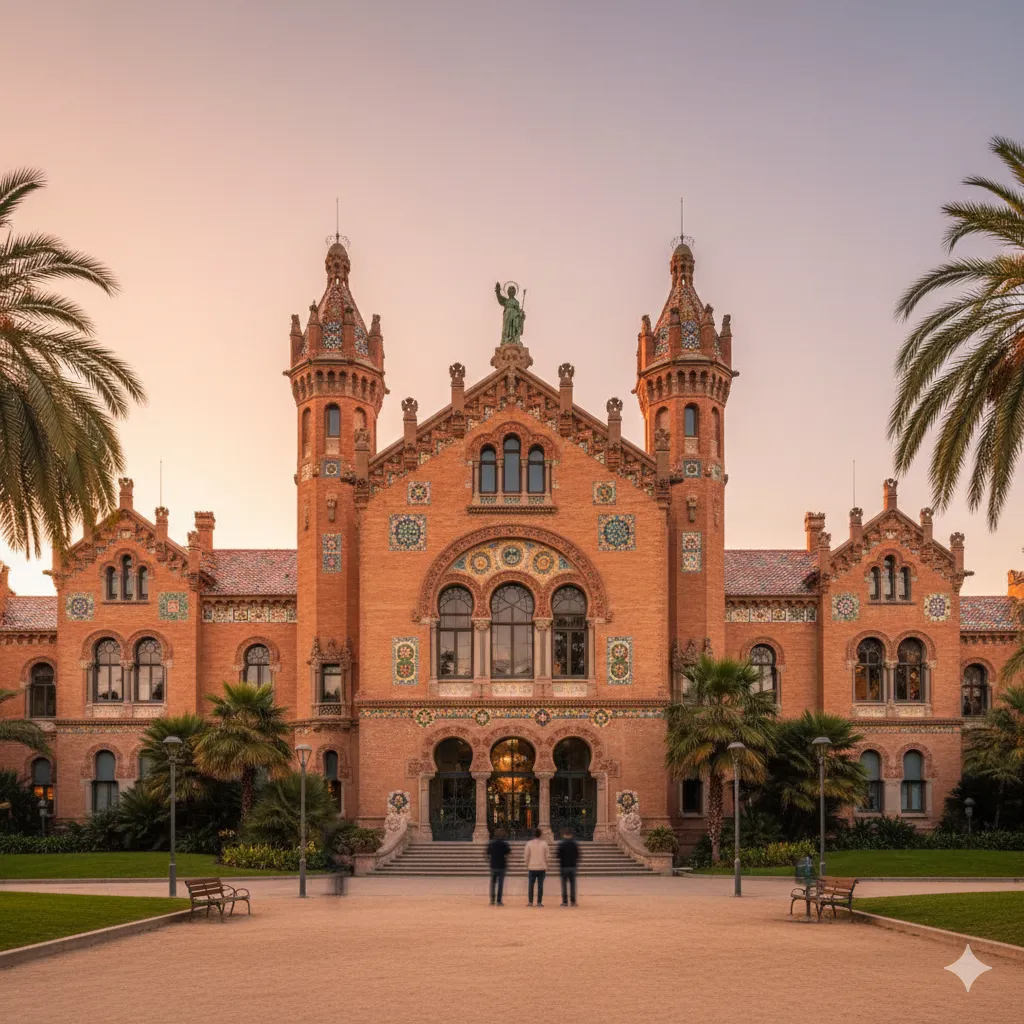
- Recinte Modernista de Sant Pau: The Art Nouveau former hospital near Sagrada Família, restored into a cultural center. Covered in depth in our Barcelona unique landmarks guide.
- Parc del Laberint d'Horta and Jardins de Mossèn Costa i Llobera: The city's oldest garden (with its cypress hedge maze) and Europe's standout cactus garden on Montjuïc. Both covered in depth in our Barcelona parks guide.
The two underrated spots below don't have a dedicated post yet, so here's the full picture.
Medieval Silence: Reial Monestir de Santa Maria de Pedralbes
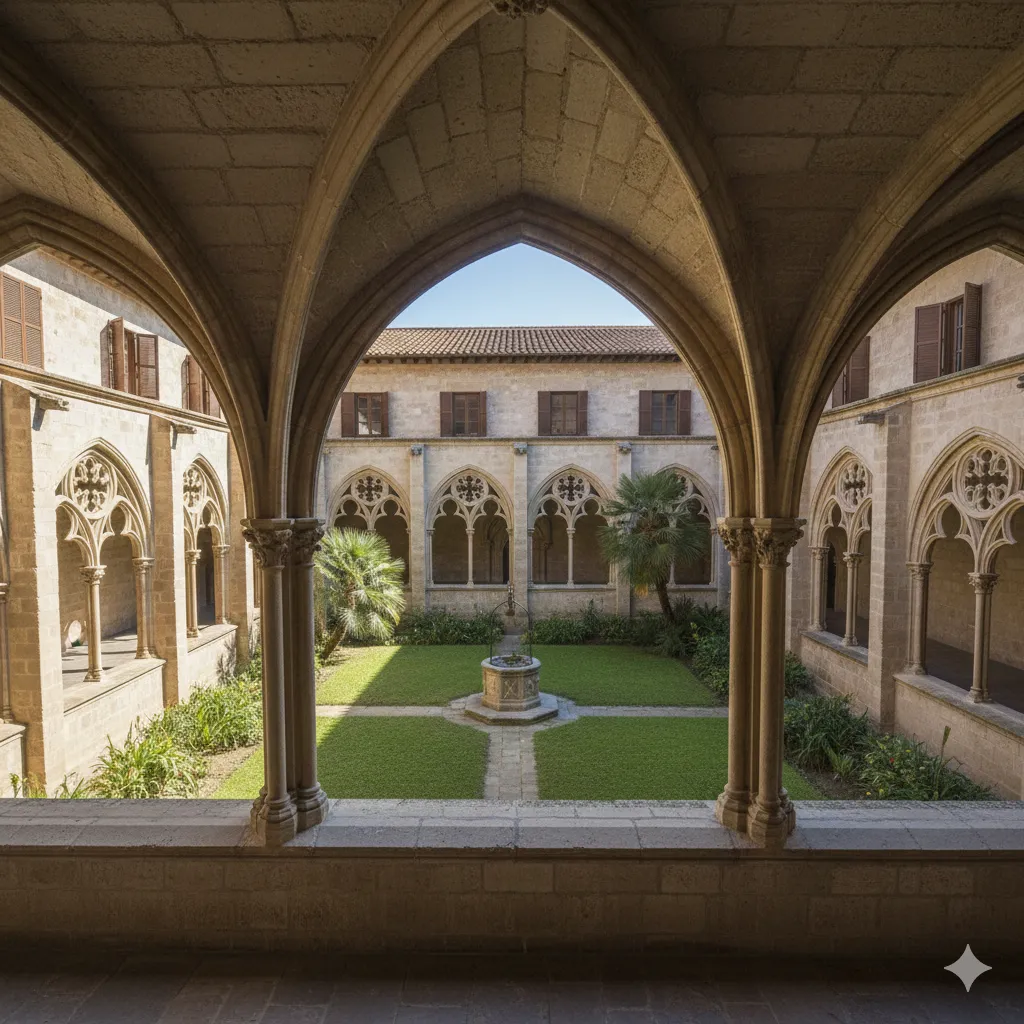
To escape the city's noise, your best bet is the Monestir de Pedralbes. Founded in 1326, this Gothic monastery is a haven of peace and one of the most culturally rich Barcelona underrated spots.
The Experience
The three-story cloister is one of the best-preserved in the world. I recommend sitting by the central fountain and listening to the birds; it is hard to believe the bustling city is just outside the walls.
- Then vs. Now: For centuries, it was a closed cloister for nuns of the Order of Saint Clare. Today, it serves as a museum where you can see the cells, the kitchen, and incredible medieval art.
- Where to find it: Baixada del Monestir, 9
- Opening Hours: Tuesday-Friday 10:00 AM-5:00 PM and weekends until 7:00-8:00 PM in summer (April-September); shorter winter hours (October-March), closed Mondays year-round. Last entry is one hour before closing.
- Cost: €5.20 for adults, €3.70 reduced, free under 16. Entry is also free on the first Sunday of every month and every Sunday after 3:00 PM.
- Seasonal Considerations: In the spring, the herb garden in the center is in full bloom and smells divine.
Coffee Break: Head down to Sarrià, the neighborhood just below Pedralbes. I recommend Pastisseria Foix de Sarrià for a traditional Catalan pastry called a "suís"—hot chocolate with heavy whipped cream.
Industrial Cool: The Creative Hub of Poblenou
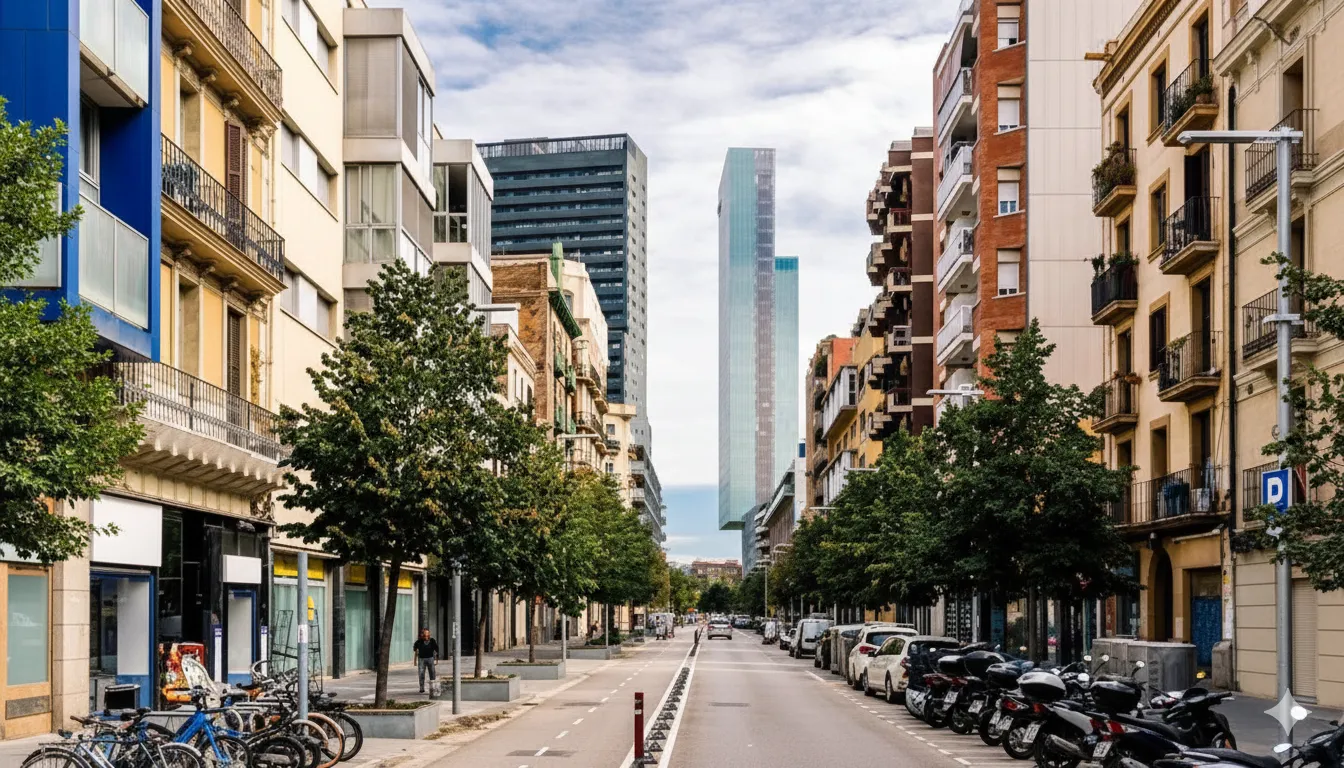
While the Gothic Quarter is ancient, Poblenou represents the industrial soul of the city. Once known as the "Manchester of Catalonia" because of its factories, it is now a thriving district of art galleries, tech startups, and hidden lofts.
Exploring Can Felipa and Beyond
I recommend walking down the Rambla del Poblenou, created in 1853 and running about a kilometer from Gran Via to near Bogatell Beach. It's far more local and relaxed than the famous La Rambla, and locals have gathered on its benches for generations. Don't miss Can Felipa: built in 1885 as a textile factory, it closed in 1978 and reopened in 1991 as a civic center, with an elegant facade that looks more like a Parisian apartment building than an old mill. Today it houses a community center, Poblenou's historic archives, and a municipal sports facility.
- Things to keep in mind: This area is very close to Bogatell Beach, which is much cleaner and quieter than Barceloneta.
- Where to find it: Rambla del Poblenou
Restobar Recommendation: I recommend Balius Bar. It is a stylish bar in a former pharmacy that specializes in cocktails and high-quality vermouth. It’s a great place to spend time on a Friday night to see the local creative crowd.
One More Quick Mention: Mercat dels Encants
If you enjoy hunting for treasures, the Mercat dels Encants flea market — with its giant mirrored roof and 7:00-9:00 AM "Subhastes" auctions on Monday, Wednesday, and Friday — is only a short walk from Poblenou. We cover it in full in our Barcelona markets guide, including what to buy and nearby food.
Dessert Spot: To finish your Poblenou walk, find El Tío Che for a traditional "horchata" (tigernut milk drink) or a scoop of toasted almond ice cream.
Practical Tips for Off-the-Beaten-Path Exploring
When you venture into these Barcelona underrated spots, you’ll want to keep a few things in mind to ensure your trip is smooth and respectful.
- Transport: Most of these locations are easily accessible by Metro or Bus. I recommend getting the T-Usual or T-Casual transport card to save money on fares. For Pedralbes and Horta, the FGC trains and the bus network are your friends.
- Language: In these local areas, a simple "Bon dia" (Good day in Catalan) goes a long way. The locals are very friendly and appreciate it when you show an interest in their culture.
- Safety: These neighborhoods are generally very safe and residential. As always, be mindful of your personal belongings in any crowded space, but you can feel relaxed as you explore.
- Booking: While you often don't need to book weeks in advance for these spots, I recommend checking the official websites for any temporary closures or special events.
Seasonal Timing
- Spring (March-May): Best for the gardens (Laberint and Cactus Garden).
- Winter (November-February): Best for the museums (Sant Pau and Pedralbes) as the crisp winter sun makes the stone buildings look beautiful.
Why You Should Choose the Road Less Traveled
Frequently Asked Questions
How much does it cost to visit the Monestir de Pedralbes?
Adult entry is €5.20 (€3.70 reduced, free under 16). Entry is also free on the first Sunday of every month and every Sunday after 3:00 PM, and last entry is one hour before closing.
What are the opening hours for the Monestir de Pedralbes?
In summer (April-September) it's open Tuesday-Friday 10:00 AM-5:00 PM, with longer weekend hours; in winter (October-March), hours shorten and weekends run 10:00 AM-5:00 PM. It's closed on Mondays year-round.
What was Poblenou before it became a creative district?
It was known as the "Manchester of Catalonia," a heavily industrial textile and manufacturing district. Can Felipa, a textile factory built in 1885, closed in 1978 and reopened in 1991 as a civic center — one of several old factories in the area now repurposed for community and creative use.
Is Poblenou near the beach?
Yes. It's close to Bogatell Beach, which is generally cleaner and less crowded than Barceloneta.
Are the underrated spots in this guide hard to reach?
No — most are accessible by Metro, bus, or FGC train. A T-Usual or T-Casual transport card covers all of them, and none require advance booking except for checking official sites for occasional closures.
Barcelona is a city of layers. By visiting these Barcelona underrated spots, you are contributing to a more sustainable form of tourism that helps distribute the city's wealth beyond the overcrowded center. More importantly, you gain a sense of the "real" Barcelona—the one that exists in the shadows of the Gothic cloisters and under the mirrored roofs of neighborhood markets.
I recommend picking at least two of these locations for your next trip. Whether it’s the geometric maze of Horta or the modernist tiles of Sant Pau, you will leave with a much deeper connection to this Mediterranean jewel. Enjoy the silence, the history, and the vibrant local culture that makes Barcelona so incredibly unique.