
Exploring the Most Vibrant and Historic Markets in Barcelona
When you think of the Catalan capital, your mind likely drifts to the intricate spires of the Sagrada Família or the sun-drenched beaches of Barceloneta. However, to truly feel the heartbeat of the city, you must step inside the markets in Barcelona. These communal hubs are more than just places to buy groceries; they are living museums of culture, history, and social interaction. Whether you are hunting for the freshest Mediterranean seafood, a rare vintage book, or artisanal Barcelona souvenirs, the market scene offers an unparalleled sensory experience.
In this guide, I recommend exploring a mix of the famous landmarks and the quieter neighborhood spots to see how traditional commerce has successfully adapted to the modern world. From the legendary La Boqueria to the sprawling flea markets, let’s dive into the best places to see, eat, and shop.
The Evolution of the Market Culture: Then and Now
Centuries ago, the Barcelona markets were mostly open-air stalls located outside city gates to avoid taxes. Farmers from the surrounding countryside would bring their harvests to sell to the city folk. Over time, these evolved into the permanent, magnificent iron-and-glass structures we see today.
In the past, these were strictly utilitarian—places for locals to buy their daily bread and meat. Today, they have transformed into culinary destinations. While they still serve the local community, many now house upscale restobars, gourmet tasting counters, and cooking schools. When you visit, you’ll notice this beautiful contrast: a grandmother buying her weekly fish at one stall while a traveler enjoys a glass of cava and oysters at the next.
1. Mercat de Sant Josep de la Boqueria: The Iconic Giant
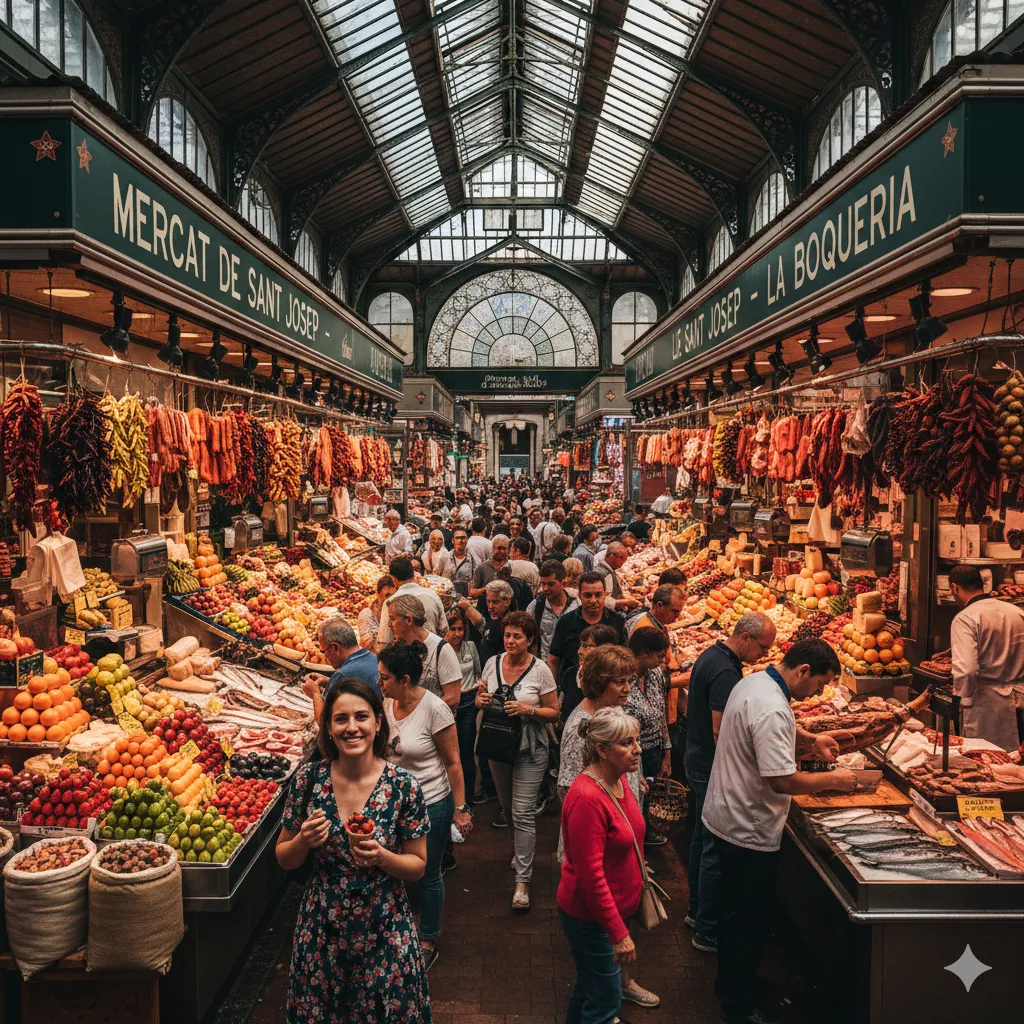
You simply cannot talk about markets in Barcelona without starting with La Boqueria. Located right on the famous La Rambla, it's the most visited food market in Spain, with 13th-century origins as a market held just outside the old city walls. It's popular and detailed enough to deserve its own write-up — see our full La Boqueria guide for the market's history, what to buy, and how to see it like a local rather than a tourist.
2. Mercat de Santa Caterina: The Architectural Gem
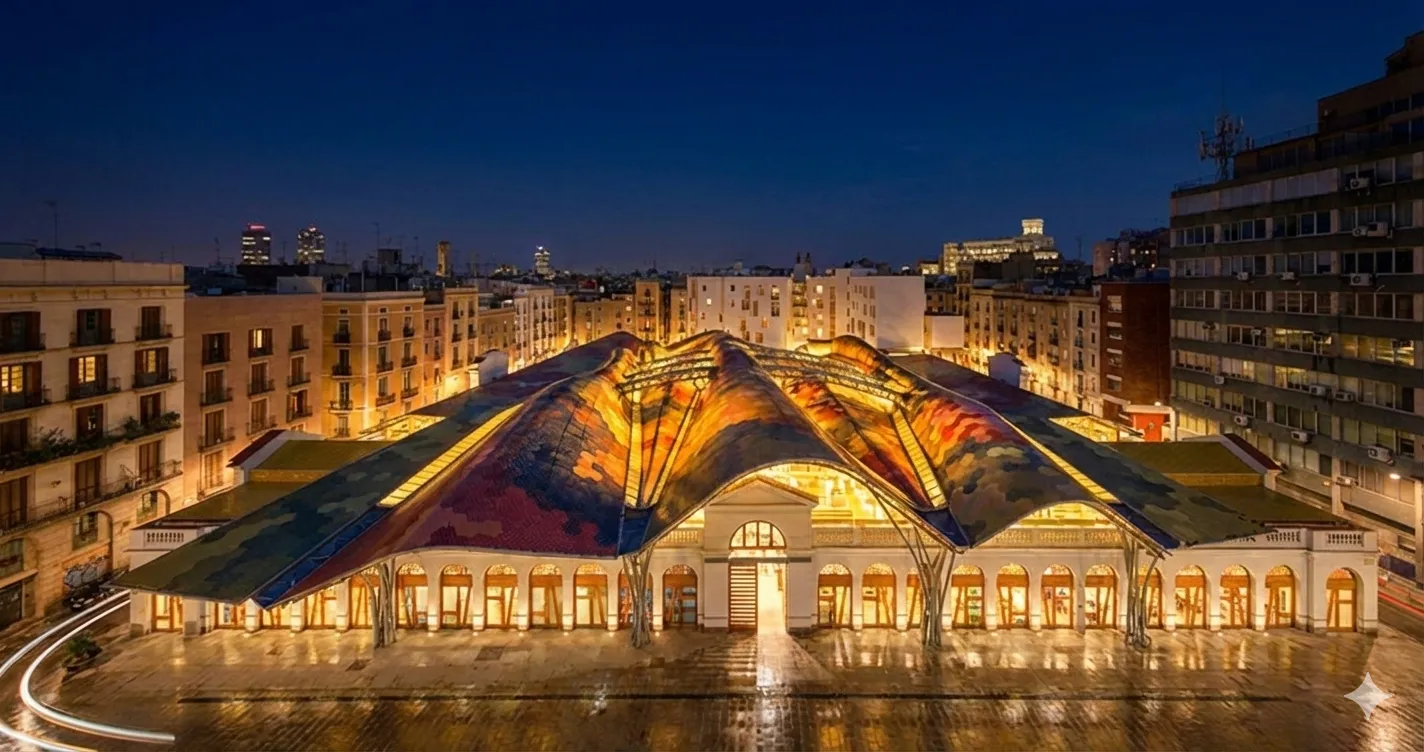
If the crowds of La Rambla feel overwhelming, I recommend heading to the Mercat de Santa Caterina in the El Born district. Opened in 1845, it was Barcelona's first covered market — decades before La Boqueria or Sant Antoni got their iron-and-glass structures. Its current look comes from a renovation by architects Enric Miralles and Benedetta Tagliabue, originally slated to reopen in 2001 but delayed to May 2005 after crews uncovered the archaeological remains of the medieval Santa Caterina convent and church beneath the site. The result is the famous colorful, wavy ceramic roof, designed to look like a sea of fruits and vegetables floating above the market stalls.
- The Experience: This market feels much more authentic and local. You will find higher-quality oils, wines, and cheeses without the heavy tourist footfall.
- Souvenirs to Look Out For: Look for locally produced honey from the Catalan mountains or artisanal canned seafood (conservas), which are considered a delicacy here.
- When to Visit: Mid-morning (around 10:00 AM) is perfect to see the market in full swing before the lunch rush.
- Google Maps: Mercat de Santa Caterina
Dining Tip: Check out Cuines Santa-Caterina right at the entrance. It is a fantastic restobar with an open kitchen serving a mix of Catalan, Asian, and Mediterranean dishes.
- Dessert nearby: Walk a few minutes to Pastelería Hofmann for their world-famous mascarpone croissant.
3. Mercat de Sant Antoni: The Modern Marvel
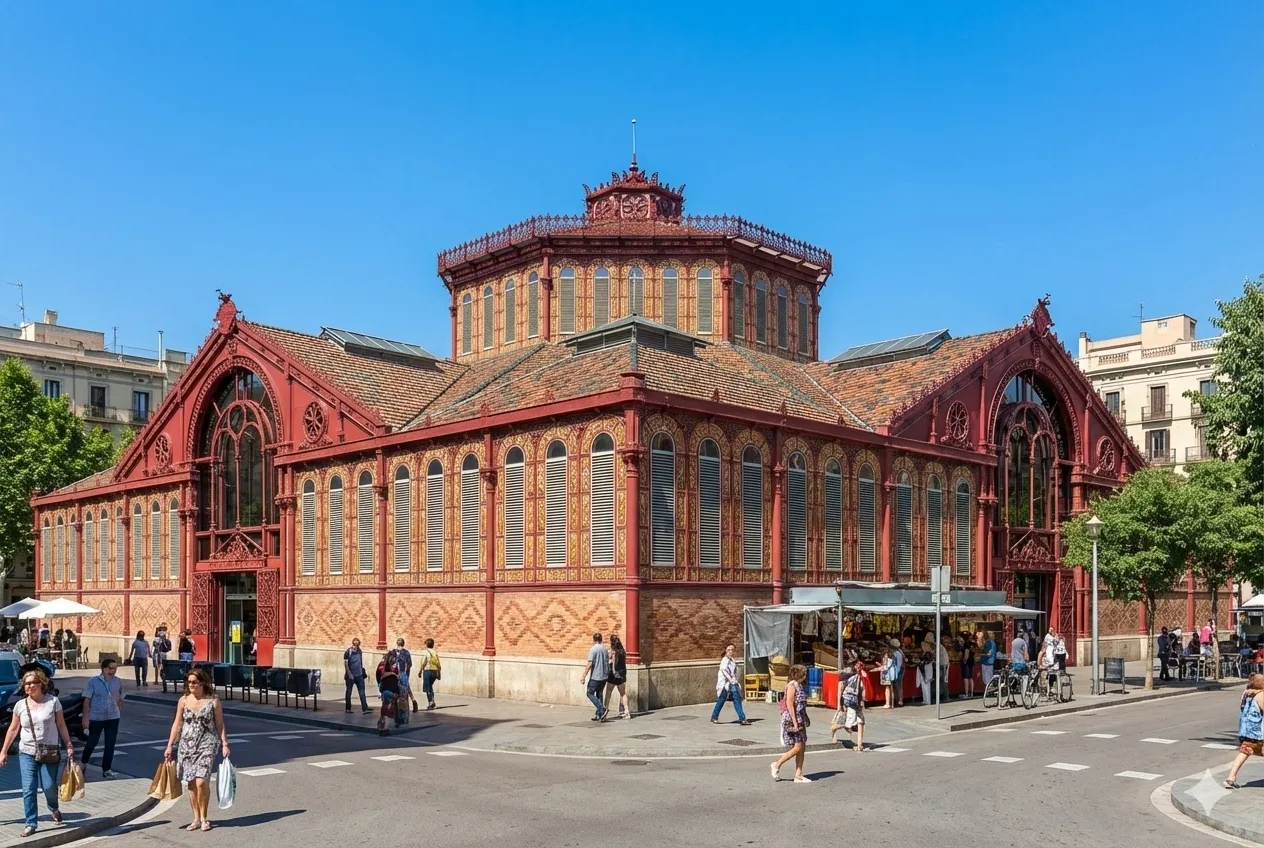
The Mercat de Sant Antoni is a Modernista iron market from 1882 that closed in 2007 for an eleven-year renovation, reopening in 2018 — during which crews discovered remains of Barcelona's old city wall beneath the market floor, now visible via an underground passage. It's also home to a Sunday secondhand book market running since 1936. This neighborhood has enough of its own story to deserve a full guide — see our Sant Antoni neighborhood guide for the full history and the surrounding streets worth exploring.
4. Mercat dels Encants: The Flea Market Adventure
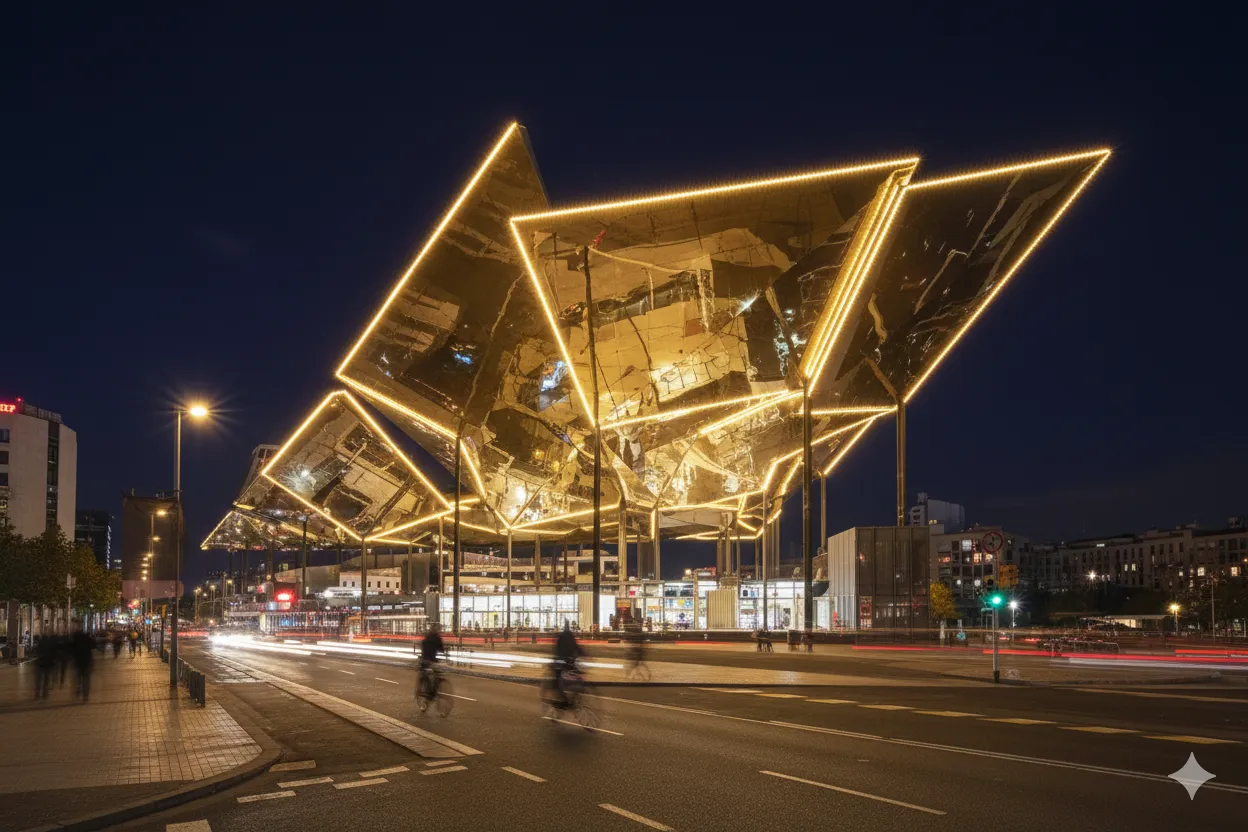
For something completely different, you must visit Mercat dels Encants, also known by its older name, the Fira de Bellcaire. This is one of Europe's oldest flea markets, with origins tracing back to around 1300, when secondhand goods were sold just outside the city gates. Over the centuries it relocated several times across the city before landing in its current spot at Plaça de les Glòries.
- The Structure: In 2013, it moved into a striking new building designed by architecture firm b720, with a giant mirrored steel-and-glass roof that reflects the bustling market below.
- What to See: The "Subhastes" or auctions. From 7:00 AM to 9:00 AM on Monday, Wednesday, and Friday, you can watch bulk lots being auctioned off—it’s a chaotic and fascinating spectacle.
- Things to Buy: This is where you find the real "hidden" Barcelona souvenirs. Think vintage cameras, old Spanish posters, antique jewelry, and quirky home decor.
- Cost: Entry is free, but your bargaining skills will determine how much you spend!
- Google Maps: Mercat dels Encants
Restobar Tip: There is a food court on the top level with great city views. Try Stop & Mos for a quick Catalan sandwich while you look down at the mirrored roof.
5. Fira de Santa Llúcia: Seasonal Magic
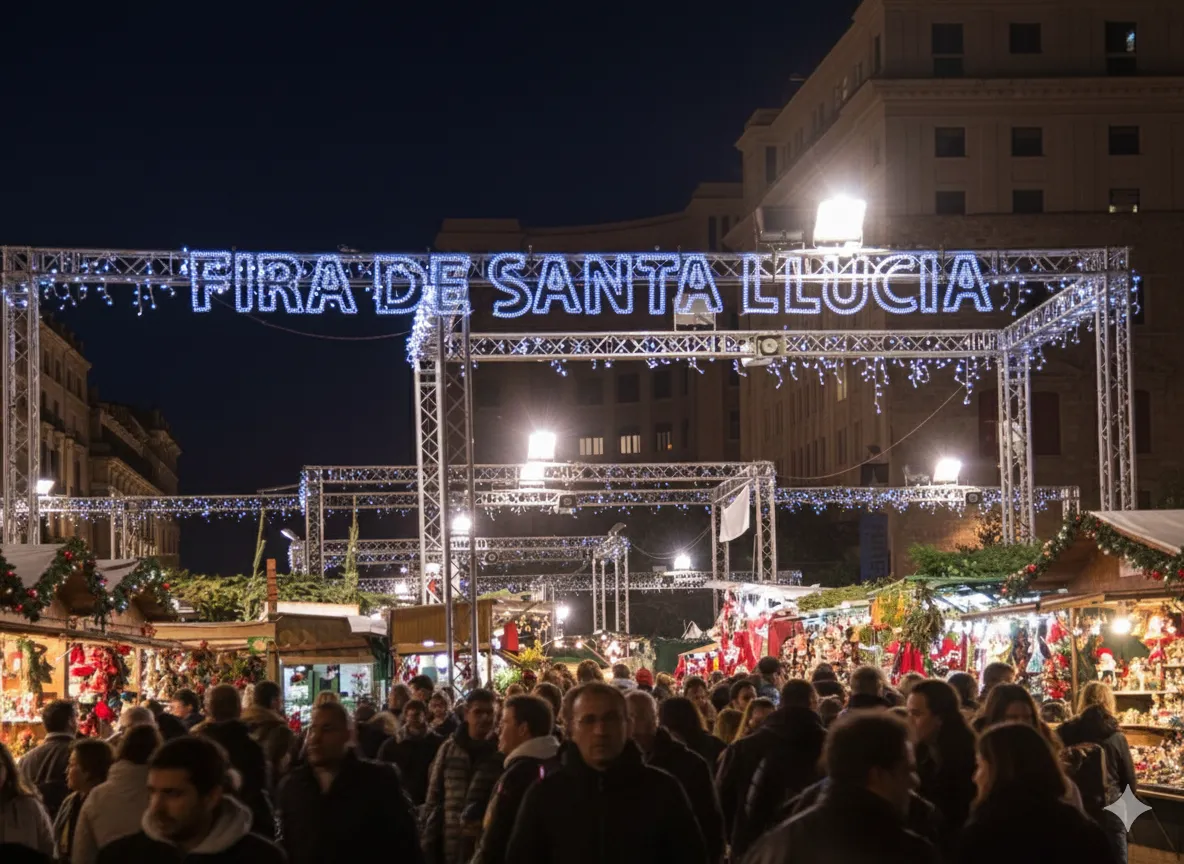
If you are visiting in December, the Fira de Santa Llúcia is a must. It is a traditional Christmas market held right in front of the Barcelona Cathedral.
- Souvenirs to Experience: You have to look for the Caganer (the "shitting man") and the Caga Tió (the "pooping log"). These are unique, slightly humorous Catalan Christmas traditions that always bring a smile to travelers.
- Things to Keep in Mind: It gets very busy on weekends. Visit on a weekday evening to enjoy the lights and the atmosphere more comfortably.
- Google Maps: Plaça de la Seu (Location of the Market)
Practical Tips for Navigating the Markets
To make the most of your time at the Barcelona markets, I recommend keeping these insider tips in mind:
Etiquette and Behavior
- Don't Touch the Produce: At the food markets, it is considered impolite to touch the fruits or vegetables yourself. Point to what you want, and the vendor will pick the best pieces for you.
- Mind Your Belongings: While the markets are safe and friendly, they are high-traffic areas. I recommend staying mindful of your personal items, especially when you are distracted by all the beautiful displays.
- Bring Cash: While many stalls now take cards, small vendors and flea market sellers often prefer cash, especially for small purchases.
When to Visit
- Avoid Mondays for Fish: Most fishermen don't work on Sundays, so Monday is the day with the least fresh fish.
- Go Early: If you want to see the "theatre" of the market—vendors setting up, the freshest stock arriving—try to arrive before 10:00 AM.
- Siesta Time: Many neighborhood markets (like Mercat de la Llibertat in Gràcia) may close between 2:00 PM and 5:00 PM, though the major tourist ones stay open.
Cost Ranges
- Free: Entering and walking through any of these markets costs nothing.
- Snacks/Tapas: €5 - €15 for a few bites and a drink.
- Souvenirs: Artisan soaps or small spices can be €3 - €7, while high-end leather or antiques can range from €30 to several hundred euros.
What to Look Out for to Buy: Authentic Souvenirs
Forget the mass-produced magnets. Here is what I recommend looking for in the markets:
- Espadrilles: Traditional rope-soled shoes. Look for them in the non-food sections of Sant Antoni or nearby artisanal shops.
- Smoked Paprika (Pimentón): Look for the "De la Vera" brand in the spice stalls of Santa Caterina.
- Catalan Ceramics: Beautiful hand-painted plates and bowls are often found in the stalls surrounding the Cathedral markets.
- Olive Oil: Catalonia produces incredible Arbequina olive oil. Look for bottles with a "D.O.P." (Denominación de Origen Protegida) label.
Frequently Asked Questions
Which is Barcelona's oldest covered market?
Mercat de Santa Caterina, opened in 1845 — decades before La Boqueria or Sant Antoni got their own iron-and-glass structures. Mercat dels Encants has even older roots as an open-air flea market (around 1300), but Santa Caterina was the first purpose-built covered market building.
What is the famous colorful roof at Mercat de Santa Caterina?
A wavy, multicolored ceramic roof designed by architects Enric Miralles and Benedetta Tagliabue during a renovation delayed until May 2005 by the discovery of a medieval convent beneath the site. The tessellated colors are meant to evoke the fruits and vegetables sold below.
What are the "Subhastes" at Mercat dels Encants?
Live auctions of bulk lots held Monday, Wednesday, and Friday mornings from around 7:00 to 9:00 AM, where dealers and collectors bid on everything from furniture to antiques — a genuinely chaotic, fascinating spectacle to watch even if you're not buying.
What souvenirs should I look for at Barcelona's markets?
Skip the mass-produced magnets. Look for D.O.P.-certified Arbequina olive oil, "De la Vera" smoked paprika at Santa Caterina's spice stalls, hand-painted Catalan ceramics, espadrilles, and vintage finds at Mercat dels Encants.
Which market has a Christmas fair?
The Fira de Santa Llúcia, held every December right in front of Barcelona Cathedral — look for the humorous Catalan Christmas traditions of the Caganer and the Caga Tió among the stalls.
Why Markets are the Heart of Barcelona
Your journey through the markets in Barcelona will be one of the most memorable parts of your trip. These spaces are where the city’s past meets its present. Whether you are bargaining for a vintage mirror at Els Encants or watching a chef choose his ingredients at La Boqueria, you are participating in a tradition that has sustained this Mediterranean jewel for nearly a thousand years.
I recommend taking your time. Don't just rush through for a photo. Sit at a counter, order a "café con leche," and watch the local life unfold before you. The markets are not just places to shop; they are the soul of Barcelona, waiting to be discovered one stall at a time. Enjoy the colors, the smells, and the incredible flavors of this vibrant city.