
Uncovering the Best Things to Do in Barcelona Gothic Quarter
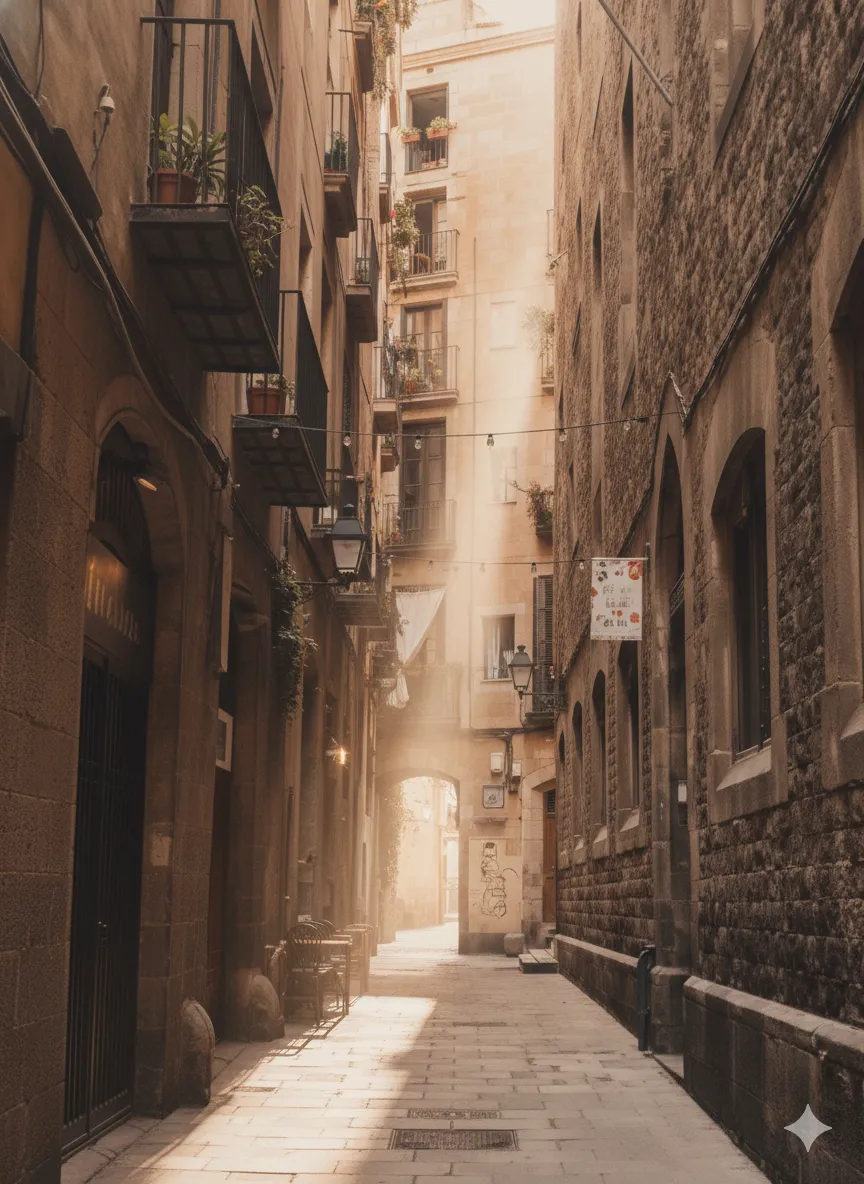
The Barcelona Gothic Quarter, known locally as the Barri Gòtic, is the beating heart of the city's history. Nestled between the famous La Rambla and Via Laietana, this neighborhood is a labyrinth of narrow, winding streets that hide secrets from Roman times through the Middle Ages to the present day. When you visit the Gothic Quarter, you aren't just walking through a district; you are walking through layers of time. I recommend starting your journey early in the morning to see the sun peek through the narrow stone gaps before the crowds arrive.
In this guide, I will share the most authentic experiences, from grand cathedrals to hidden dessert shops, ensuring your visit is both respectful of local culture and rich in discovery.
The Gothic Quarter: A Tale of Transformation
To appreciate the Barcelona Gothic Quarter today, it helps to understand how it has changed. Two thousand years ago, this was the site of Barcino, a Roman colony. Back then, it was a fortified square with massive walls. Today, you can still find those Roman stones serving as the foundations for medieval palaces.
In the 1800s, the area looked quite different—it was much more crowded and industrial. During the late 19th and early 20th centuries, the city underwent a "Gothic restoration." Many of the ornate facades and bridges you see today, which look hundreds of years old, were actually built or "beautified" during this period to create a more cohesive historic look for visitors. This blend of authentic antiquity and intentional neo-Gothic design is what gives the quarter its unique, cinematic atmosphere.
Must-See Landmarks and Historic Sites
1. The Barcelona Cathedral (La Seu)
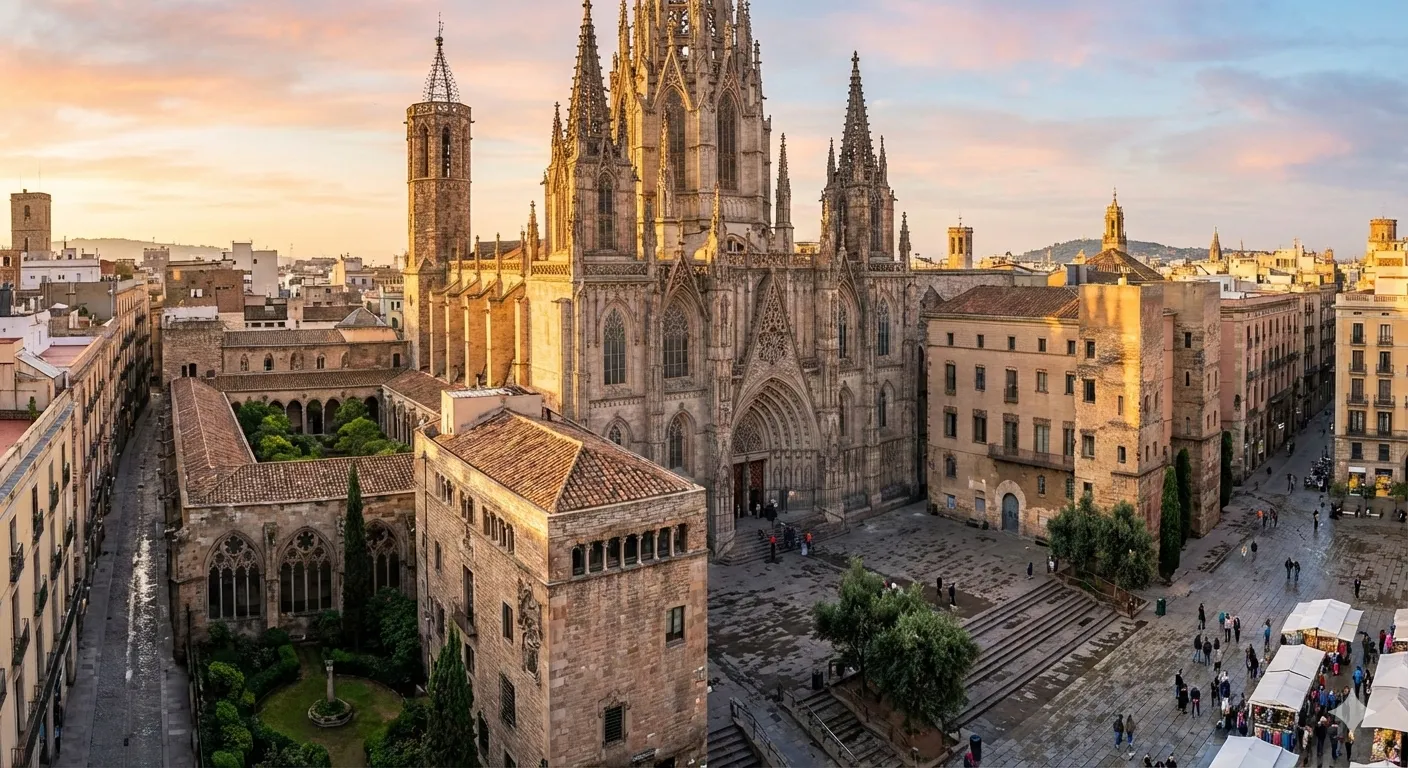
This is the focal point of the neighborhood. While many people flock to the Sagrada Família, the Barcelona Cathedral offers a different kind of solemn beauty. I recommend visiting the interior cloister, where 13 white geese reside.
- What to expect: Dark, soaring arches and intricate woodwork.
- Insider Tip: Head to the roof via the elevator for one of the best panoramic views of the Old City.
- When to visit: Before 10:00 AM for a quieter experience.
- Cost: Approximately €9-€11 for a tourist entry (includes roof and choir).
- Google Maps: Barcelona Cathedral Location
2. Plaça del Rei
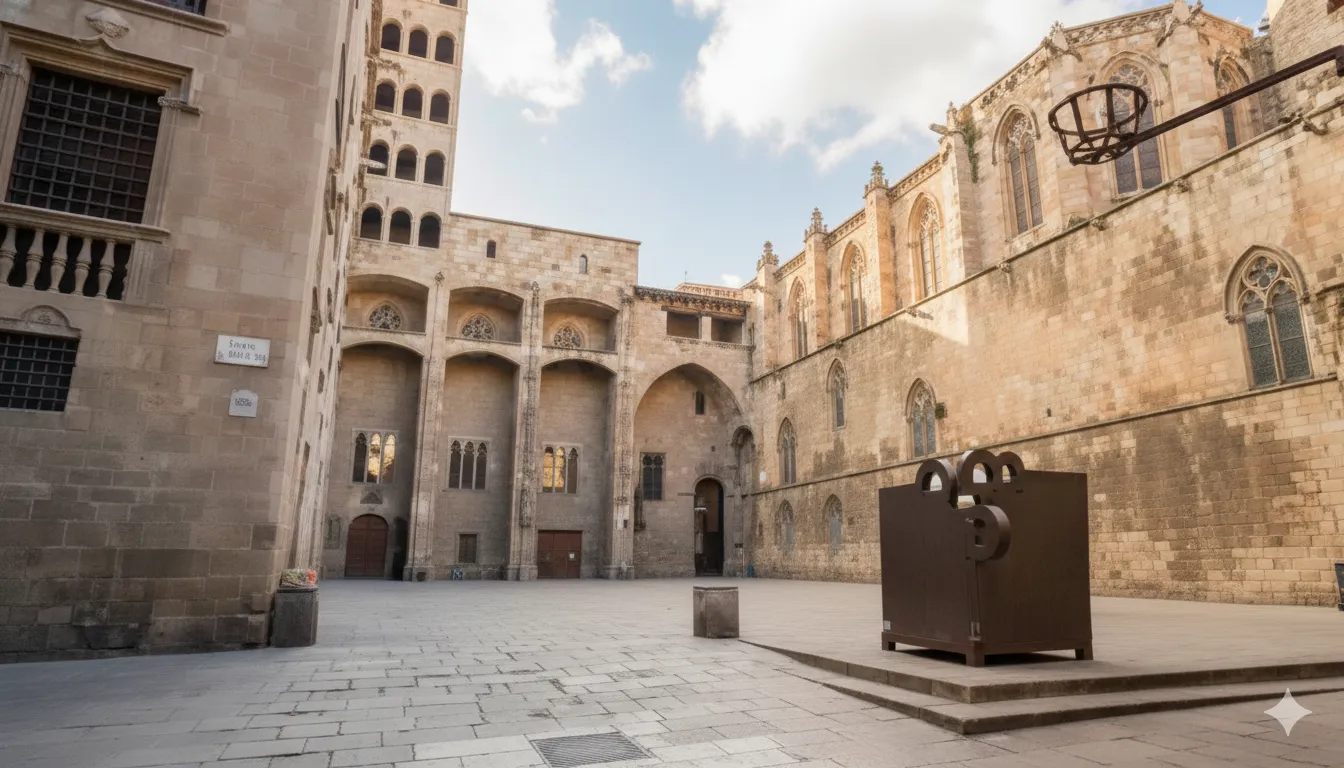
If you want to feel like you’ve traveled back to the 14th century, this is the place. This square was the seat of the Kings of Aragon. It is enclosed on all sides by monumental stone buildings, making it one of the most atmospheric spots in the city.
- The Experience: You can visit the MUHBA (Museum of the History of Barcelona) here, which allows you to go underground and walk through excavated Roman streets.
- Google Maps: Plaça del Rei Location
3. Pont del Bisbe (The Bishop’s Bridge)
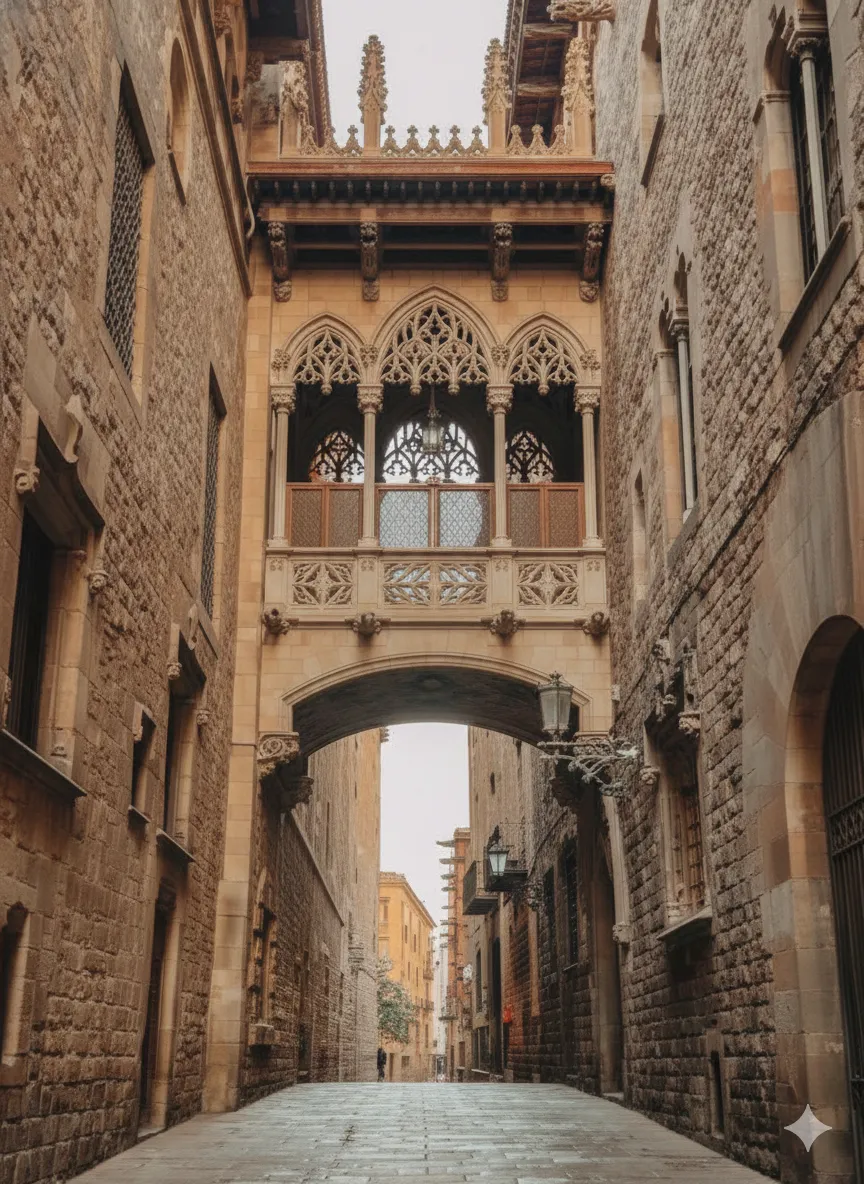
You have likely seen this bridge on postcards. It connects the Palau de la Generalitat with the Casa dels Canonges. Although it looks medieval, it was actually built in 1928.
- Things to keep in mind: Look for the carved skull and dagger on the underside of the bridge. Legend says if you see it, you must walk backward to ward off bad luck!
- Google Maps: Pont del Bisbe Location
Hidden Plazas and Quiet Escapes
The Barcelona Gothic Quarter can be bustling, but there are pockets of tranquility if you know where to turn.
Plaça de Sant Felip Neri
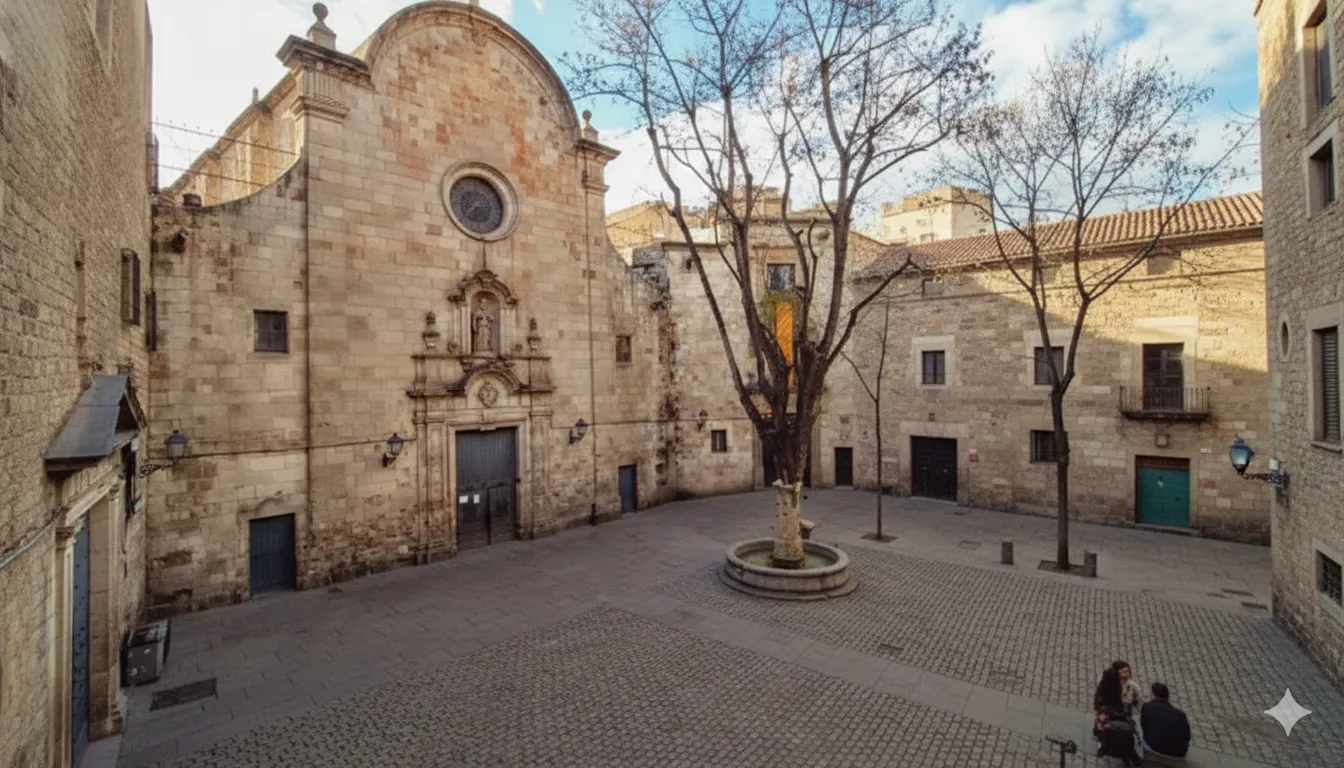
This is perhaps the most poignant spot in the quarter. It is a small square with a central fountain and a school. If you look at the walls of the church, you will see deep indentations. These are not from age, but from a bombing during the Spanish Civil War in 1938.
- I recommend this place for a 15-minute break. It is a space for quiet reflection.
- Google Maps: Plaça de Sant Felip Neri Location
El Call (The Jewish Quarter)
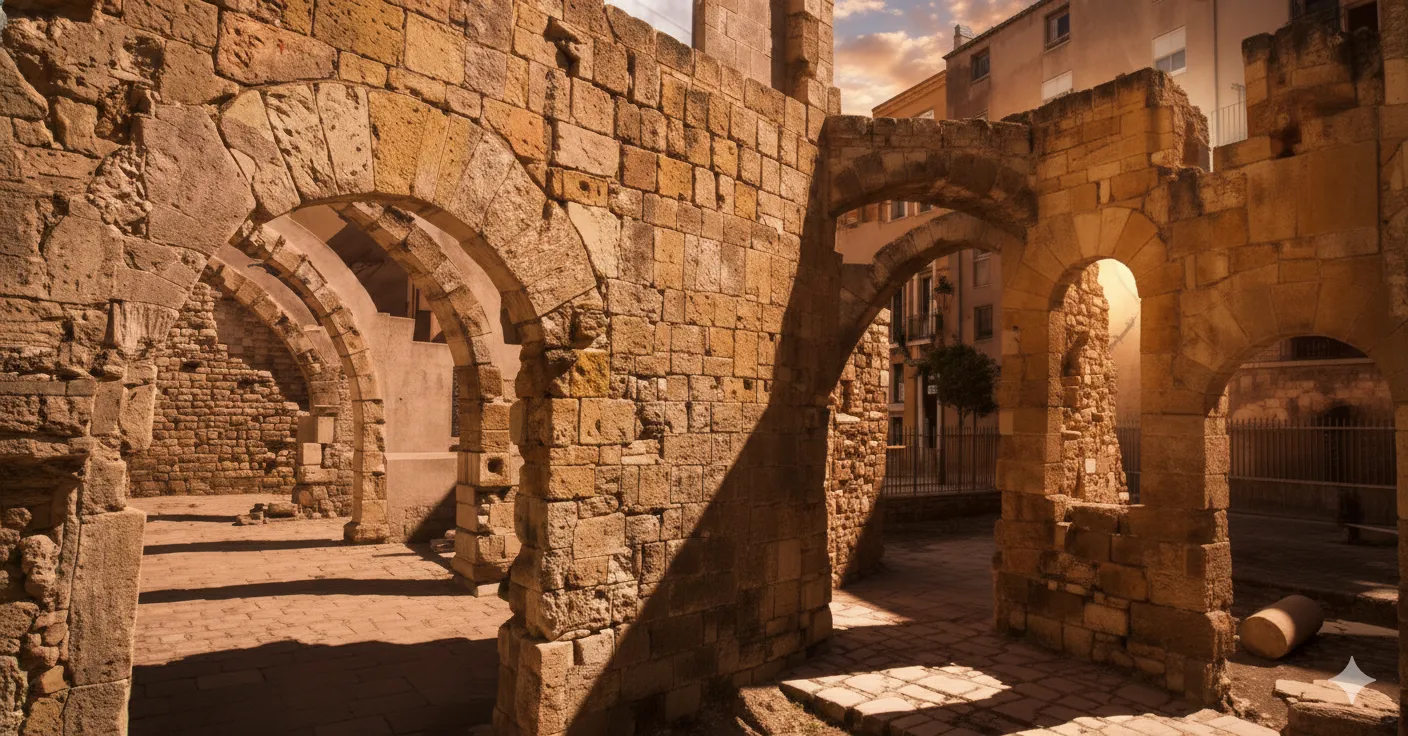
The Jewish Quarter is a sub-section of the Gothic Quarter with the narrowest streets in Barcelona. It was once a flourishing center of culture and science.
- What to find: The Sinagoga Major, one of the oldest synagogues in Europe, is hidden down a small alley.
- Google Maps: Sinagoga Major Location
Where to Eat and Drink: A Culinary Journey
The Gothic Quarter is a fantastic place to experience Catalan flavors, ranging from centuries-old dining rooms to modern restobars.
Traditional Restaurants and Tapas
- Can Culleretes: Established in 1786, this is officially the oldest restaurant in Catalonia. I recommend their escudella (a traditional stew) or their roasted meats. It feels like eating in a museum.
- Cost Range: €30 - €50 per person.
- Google Maps: Can Culleretes Location
- Els 4Gats: Famously frequented by a young Pablo Picasso, this restaurant is housed in a stunning Modernista building. It's a great spot to spend time soaking in the artistic history of the city.
- Google Maps: Els 4Gats Location
Cafes and Sweet Treats
- Xurreria dels Banys Nous: For the most authentic churros in the city, come here. They are simple, fresh, and best enjoyed with a thick cup of chocolate.
- Google Maps: Xurreria dels Banys Nous Location
- Caj Chai: This is a beautiful tea house located in the Jewish Quarter. If you need a break from the Mediterranean sun, their selection of international teas and calm interior are perfect.
- Google Maps: Caj Chai Location
Restobars and Nightlife
- Milk Bar & Bistro: A cozy, vintage-inspired spot that serves excellent cocktails and a famous recovery brunch. It has a warm, international atmosphere.
- Google Maps: Milk Bar & Bistro Location
- Plaça Reial: While this is a square, it is lined with restobars. I recommend sitting under the palm trees for a drink at Ocaña, where you can admire the streetlamps designed by Antoni Gaudí.
- Google Maps: Plaça Reial Location
Shopping for Artisanal Treasures
The Barcelona Gothic Quarter is not the place for big-box brands; it is the place for unique, handmade items.
- La Manual Alpargatera: This shop has been making traditional Catalan espadrilles (shoes) since 1943. You can see the craftsmen at work in the back.
- Google Maps: La Manual Alpargatera Location
- Carrer de l'Avinyó: Once a street known for its high-society residents, it is now home to local designers and vintage boutiques. I recommend walking its full length to find one-of-a-kind clothing.
- Google Maps: Carrer de l'Avinyó Location
Practical Tips for Your Visit
To ensure you have the best experience in the Barcelona Gothic Quarter, keep these practical points in mind:
1. Timing Your Visit
The neighborhood changes character throughout the day.
- Morning (8:00 AM - 11:00 AM): Best for photography and visiting the Cathedral.
- Afternoon (2:00 PM - 5:00 PM): Many small artisan shops may close for siesta. Use this time for a long lunch or a museum visit.
- Evening (7:00 PM onwards): The squares come alive with street musicians and locals enjoying an evening stroll.
2. Navigating the Maze
GPS can be notoriously unreliable in the Gothic Quarter because the streets are so narrow and the buildings so tall.
- Your Strategy: Don't be afraid to get a little lost. Almost all paths eventually lead back to major landmarks like the Cathedral or La Rambla.
- Comfort: Wear sturdy, comfortable shoes. The cobblestones are historic and can be very uneven.
3. Staying Mindful
The Gothic Quarter is a popular area. To ensure a smooth trip, I recommend keeping your personal items secure and close to your body in crowded plazas. While the area is generally safe and welcoming, being mindful of your belongings allows you to relax and enjoy the scenery.
4. Respecting Local Residents
Remember that the Barri Gòtic is still a residential neighborhood. People live in the apartments above the shops.
- Things to keep in mind: Avoid shouting in the narrow alleys, especially late at night, as the stone walls amplify sound and can disturb the local community.
5. Cost Ranges
- Budget: Free to explore the streets and many squares.
- Tapas/Snacks: €5 - €15.
- Sit-down Meals: €25 - €60 per person depending on the wine and restaurant.
Seasonal Considerations
- Winter: The quarter hosts the Santa Llúcia Christmas Market in front of the Cathedral. It is the oldest market in the city and is the best place to find traditional Catalan holiday decorations.
- Summer: The narrow streets act as natural air conditioning, providing shade when the rest of the city feels hot. However, it can get quite humid.
- Spring/Autumn: These are the ideal times to visit, with mild temperatures that make walking the entire district a breeze.
Why You Will Love the Gothic Quarter
There is a specific magic to the Barcelona Gothic Quarter that you won't find in the more modern parts of the city. It’s the sound of a Spanish guitar echoing in a stone courtyard, the smell of fresh churros on a crisp morning, and the sight of Roman ruins sitting right next to a trendy boutique.
I recommend you set aside at least one full day to explore this area without a strict schedule. Let your curiosity guide you down the side streets. Whether you find a hidden cafe or a thousand-year-old wall, the Barri Gòtic always has something new to show you. Your journey through Barcelona isn't complete until you've felt the ancient pulse of this incredible neighborhood.