
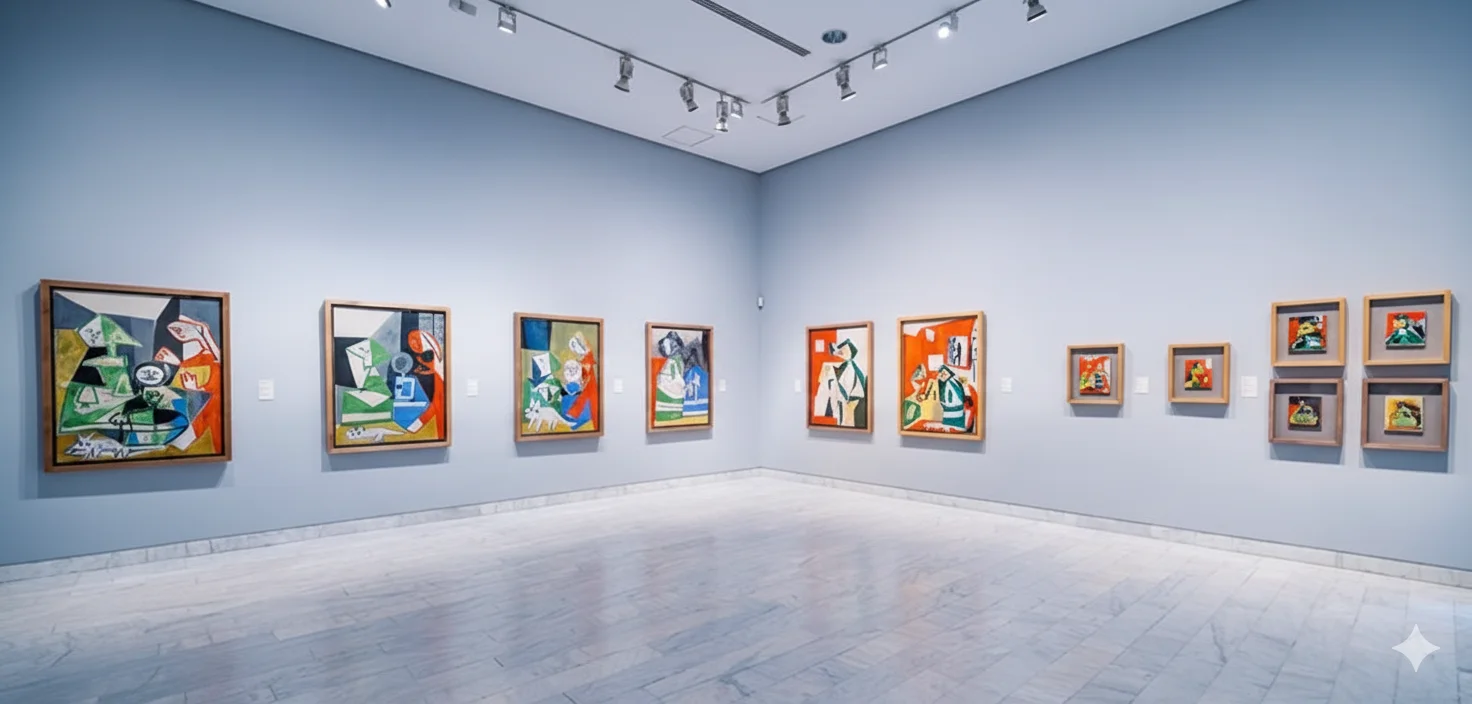
Exploring the Iconic Picasso Museum Barcelona in the Gothic Quarter
Walking through the narrow, stone-paved streets of the El Born district, you can almost feel the weight of history in the air. Among these ancient corridors lies one of the city's most prestigious institutions: the Picasso Museum Barcelona. I recommend this place not just to art enthusiasts, but to anyone who wants to understand the deep, soulful connection between Pablo Picasso and the city he called home during his formative years. While the world knows him as the father of Cubism, this museum offers a rare, intimate look at the young man before he became a global legend.
The museum is housed in five contiguous medieval stone palaces on Carrer de Montcada. These buildings are works of art themselves, featuring beautiful courtyards, external staircases, and Gothic arches that transport you back to the 13th and 14th centuries. As you plan your trip, keep in mind that this is more than a gallery; it is a walk through the architectural heritage of Catalonia.
Picasso Museum Barcelona on Google Maps
The Evolution: Then vs. Now
To truly appreciate your visit, it helps to understand how much this site has changed.
In the past: The Carrer de Montcada was once the most prestigious street in Barcelona, home to the city’s nobility and wealthy merchants. By the early 20th century, however, many of these palaces had fallen into disrepair or were used as warehouses and tenement housing. The museum itself didn't exist until 1963, and it was established largely through the efforts of Jaume Sabartés, Picasso’s lifelong friend and personal secretary. Initially, it was a modest collection housed in just one palace, the Palau Aguilar.
Today: The museum has expanded into five massive, interconnected palaces: Palau Aguilar, Palau del Baró de Castellet, Palau Meca, Palau Mauri, and Palau Finestres. It has been meticulously restored to blend medieval architecture with modern museum standards. You will find state-of-the-art lighting and climate control hidden behind ancient stone walls. What was once a private collection for a few friends is now a global pilgrimage site that welcomes over a million visitors a year.
Navigating the Collection: What to Expect
The permanent collection is unique because it focuses primarily on Picasso’s youth and his "Blue Period." Unlike the museums in Paris or Malaga, the Picasso Museum Barcelona showcases the artist’s academic training and his rapid evolution from a traditional painter to a revolutionary genius.
The Early Years and Academic Brilliance
I suggest paying close attention to the works from his teenage years. Pieces like The First Communion (1896) and Science and Charity (1897) are breathtaking. It is almost hard to believe they were painted by a boy under the age of 16. These rooms demonstrate his mastery of light, shadow, and anatomy—the very rules he would later break to invent Cubism.
The Blue Period
As you move through the rooms, the mood shifts. You will notice a transition into the haunting, melancholic Blue Period. These paintings, dominated by shades of blue and blue-green, reflect a time of sorrow and poverty in Picasso's life following the loss of a close friend. The emotional depth in these galleries is palpable, and I recommend taking your time here to let the atmosphere sink in.
The Las Meninas Series
One of the absolute highlights of the museum is the series of 58 paintings interpreting Diego Velázquez’s masterpiece, Las Meninas. In 1957, Picasso spent months obsessively deconstructing and reimagining Velázquez’s work. You can see how he plays with the figures of the Infanta Margaret Theresa and the court attendants. It is a masterclass in creative reinterpretation, and seeing the entire series together in one hall is an experience you won't find anywhere else in the world.
Essential Visitor Information
To make the most of your journey, here are the practical details you need to keep in mind.
Opening and Closing Hours
The museum generally follows a consistent schedule, but it is always wise to check for holiday closures.
- Tuesday to Sunday: 10:00 AM to 7:00 PM.
- Monday: Usually closed (though some holiday Mondays may differ).
- Thursday Evenings: The museum often stays open later, sometimes until 9:00 PM, which is a great spot to spend time if you want a quieter atmosphere.
Best Time to Visit
I recommend visiting early in the morning, right when the doors open at 10:00 AM, or late in the afternoon after 5:00 PM. Midday tends to be very busy with tour groups. If you can, aim for a midweek visit on a Tuesday or Wednesday to avoid the weekend crowds.
Things to Keep in Mind
- Book in Advance: I cannot stress this enough. Tickets are timed, and they frequently sell out days in advance. Don’t expect to walk up and buy a ticket at the door.
- Quiet Atmosphere: The museum maintains a very quiet, respectful environment. Keep your voice low to allow others to enjoy the art.
- Bags and Cloakroom: Large backpacks and umbrellas are not allowed in the galleries. There is a cloakroom where you can store your items securely.
- Photography: You are generally allowed to take photos without a flash for personal use, but always check the signs in each room as some temporary exhibitions may have different rules.
The Neighborhood Experience: El Born
The museum is located in the El Born area, part of the wider Ribera neighborhood. This is one of my favorite parts of Barcelona because it perfectly balances ancient history with a trendy, modern lifestyle. Once you exit the museum, don't rush away. There is so much to see within a five-minute walk.
Nearby Architectural Wonders
- Santa Maria del Mar: Just a short walk from the museum is this stunning 14th-century basilica. It is the finest example of Catalan Gothic architecture. I recommend stepping inside to see the soaring columns and the incredible stained glass. Santa Maria del Mar on Google Maps
- Moco Museum Barcelona: If you want a contrast to Picasso’s classic works, the Moco Museum is literally right next door. It features modern and contemporary art from artists like Banksy and KAWS. Moco Museum on Google Maps
Where to Eat and Drink Nearby
The streets surrounding the Picasso Museum are filled with culinary gems. Whether you want a quick coffee or a full tapas feast, you are in the right place.
For a Traditional Tapas Experience
- El Xampanyet: This is a legendary spot on Carrer de Montcada. It has been around since 1929 and is famous for its sparkling wine (cava) and anchovies. It gets crowded, but the energy is infectious. I recommend standing at the bar for an authentic experience. El Xampanyet on Google Maps
- Tapeo Born: If you prefer a more modern take on tapas, Tapeo is fantastic. Their glazed lamb ribs and creative salads are local favorites. Tapeo Born on Google Maps
Coffee and Sweet Treats
- Hofmann Pastisseria: Located very close to the museum, this is widely considered one of the best bakeries in Spain. You must try their mascarpone-filled croissant. It is life-changing. Hofmann Pastisseria on Google Maps
- Chök - The Chocolate Kitchen: A great place to grab a gourmet donut or a cup of thick, Spanish hot chocolate after wandering through the galleries. Chök Born on Google Maps
Restobars and Evening Drinks
- Paradiso: Often voted as one of the best bars in the world, this "speakeasy" is hidden behind a pastrami shop. It’s a bit of a walk but well worth the effort for their theatrical cocktails.
- Dr. Stravinsky: Located in the heart of El Born, this bar feels like an old alchemist's lab. It's a great place to spend time discussing the art you just saw. Dr. Stravinsky on Google Maps
Do’s and Don’ts for a Great Experience
Do:
- Use the Audio Guide: The narrative of Picasso’s life is complex. The audio guide does an excellent job of explaining the personal stories behind the paintings.
- Look at the Architecture: Remember to look at the ceilings and the courtyards of the palaces. The stone carvings and wooden beams are centuries old.
- Wear Comfortable Shoes: You will be walking on uneven stone floors inside the museum and cobblestones outside.
- Check the Temporary Exhibits: The museum often hosts world-class temporary exhibitions that provide even more context to Picasso's life.
Don’t:
- Don't Rush: I recommend setting aside at least two hours for the museum alone. If you try to do it in 30 minutes, you will miss the subtle evolution of his style.
- Don't Bring Large Items: As mentioned, the lockers are there for a reason. Carrying a bulky bag through the narrow galleries can be stressful for you and others.
- Don't Touch the Walls: In many parts of the museum, the stone is exposed. It’s tempting to touch the ancient walls, but the oils from your skin can damage the porous stone over time.
- Don't Forget to Hydrate: Barcelona can get warm, and the museum is a large complex. Grab a water at one of the local cafes before you head in.
Insider Tips for the Savvy Traveler
If you want to experience the museum like a local, here are a few extra tips:
- Free Admission Days: The museum often offers free entry on Thursday afternoons and the first Sunday of every month. While this is great for the budget, keep in mind that it will be exceptionally crowded. You still need to book these "free" tickets in advance online.
- The Museum Shop: The gift shop is one of the best in the city. They have high-quality prints, unique jewelry inspired by Picasso's designs, and an extensive collection of art books in multiple languages.
- Explore Carrer de Montcada: After your visit, walk the full length of the street. It was the heart of Barcelona's medieval power, and every doorway has a story.
- Stay Aware: Like any popular destination with many visitors, it is always a good idea to keep your belongings close to you and be mindful of your surroundings as you walk through the crowded streets of El Born.
FAQ
What are the Picasso Museum Barcelona opening hours?
Tuesday to Sunday, 10:00 AM to 7:00 PM, with extended hours until 9:00 PM on Thursdays. The museum is usually closed on Mondays. Always double-check for holiday closures before you go.
How much does it cost to visit the Picasso Museum?
Ticket prices change periodically, so check current pricing when you book. Barcelona residents, visitors under 25, and several other concessions often qualify for free or reduced admission — the museum is also free on Thursday afternoons and the first Sunday of every month, though those slots still need to be booked in advance and fill up fast.
How long should I spend at the Picasso Museum?
Set aside at least two hours. The collection spans his early academic work through the Blue Period and the full 58-painting Las Meninas series — rushing it means missing the evolution that makes the museum worth visiting in the first place.
Is the Picasso Museum Barcelona worth it?
Yes, especially if you want to understand Picasso before he became Picasso. You won't find Cubist icons like Guernica here (that's in Madrid), but you get an intimate look at his formative years in a genuinely stunning setting: five interconnected medieval palaces on Carrer de Montcada.
Where is the Picasso Museum located?
On Carrer de Montcada in the El Born neighborhood, part of the Ribera district near the Gothic Quarter. It's a short walk from Santa Maria del Mar and directly next door to the Moco Museum.
Why This Museum is a Must-Visit
Barcelona was where Picasso spent his youth, where he fell in love with art, and where he returned time and again in his mind. The Picasso Museum Barcelona is a love letter to that relationship. You won't find his most famous Cubist works like Guernica here—those are in Madrid—but you will find something perhaps more valuable: the soul of an artist in the making.
By the time you leave, you will have a new perspective on Picasso. You will see that his "wild" later styles were rooted in a deep, traditional mastery of the craft. And as you step back out into the sunlight of El Born, perhaps heading toward a well-deserved plate of tapas at El Xampanyet, you will realize that the city itself is an extension of the museum. The colors, the light, and the spirit of Barcelona that inspired Picasso are still here for you to experience today.
I recommend taking the rest of your afternoon slowly. Wander through the nearby Parc de la Ciutadella or head toward the beach. Let the art settle in your mind. This is the magic of Barcelona—a city where every corner, especially the Picasso Museum, tells a story of transformation and beauty.