
Discover the Most Beautiful Historic Palaces in Barcelona
Barcelona is a city where every corner tells a story, but few chapters are as captivating as those written within the walls of its majestic palaces. While many visitors flock to the city for its beaches and the Sagrada Família, I recommend dedicating a significant part of your journey to exploring the palaces in Barcelona. These structures are more than just stone and mortar; they are the physical manifestations of Catalonia’s golden ages, ranging from the medieval splendor of the Gothic Quarter to the flamboyant creativity of the Modernisme movement.
In this guide, you will discover the hidden gems and the famous icons that define the city's skyline. We will look at how these spaces have transitioned from private aristocratic residences to public cultural landmarks, and I’ll share my favorite nearby spots to grab a coffee or a traditional treat along the way.
1. Palau de la Música Catalana: The Jewel of Modernisme
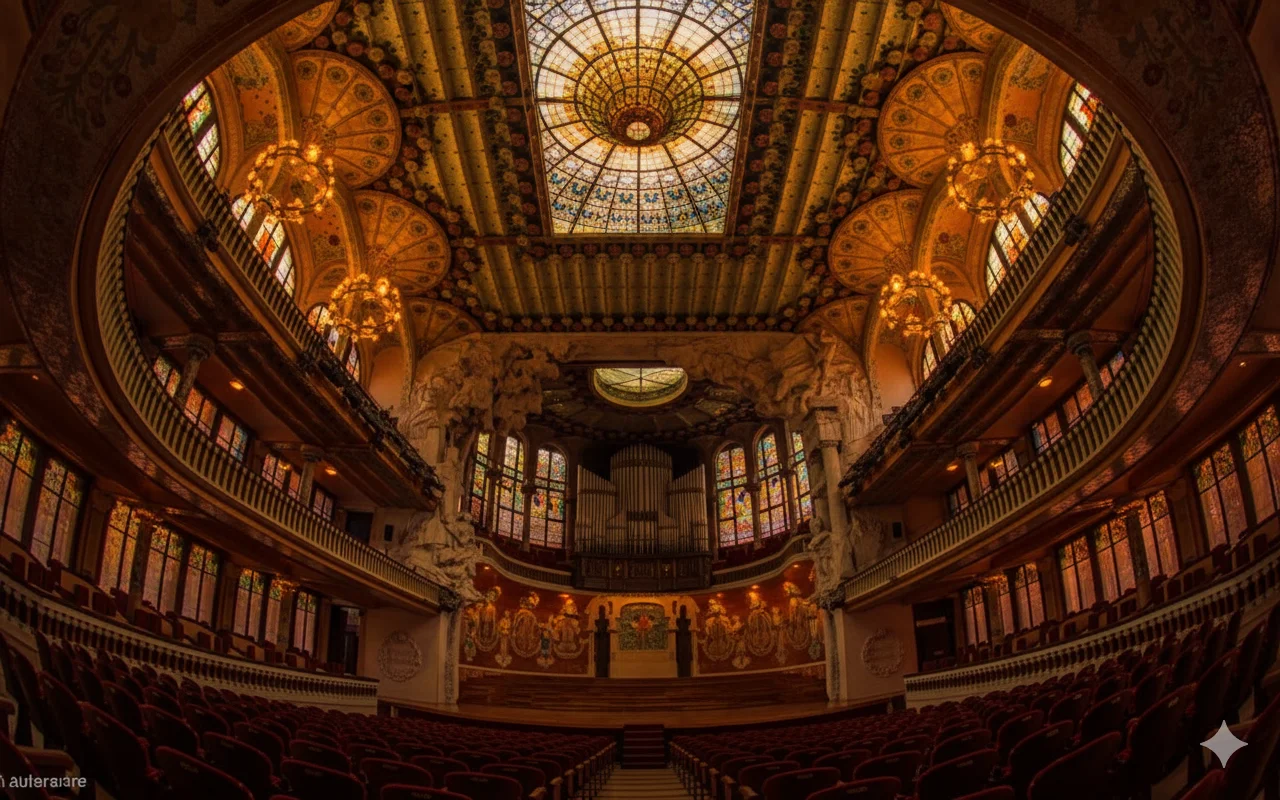
The Palau de la Música Catalana is, in my opinion, the most beautiful building in the world. Designed by Lluís Domènech i Montaner, it is a masterpiece of Catalan Modernisme. Unlike the dark, heavy stone of traditional European palaces, this "palace of music" is a riot of light, color, and floral mosaics.
The Experience: Then vs. Now
- Then: Completed in 1908, it was commissioned by the Orfeó Català, a choral society. It was a private temple for the Catalan elite to celebrate their language and culture through music.
- Now: It is a UNESCO World Heritage site and a living concert hall. While it remains the home of the choir, it now hosts everything from jazz to flamenco, making high-class architecture accessible to every music lover.
What to See
You must look up when you enter the main concert hall. The center of the ceiling features an inverted teardrop of stained glass that represents the sun. It is the only auditorium in Europe that is illuminated entirely by natural light during the day.
- Location: C/ de Sant Pere Més Alt, 6, 08003 Barcelona
- Opening Hours: Daily from 9:00 AM to 3:30 PM (for tours). Concert times vary in the evenings.
- Insider Tip: I suggest visiting in the morning between 10:00 AM and 12:00 PM. The way the sunlight hits the stained glass creates a kaleidoscope effect on the stage that is truly magical.
Nearby Recommends
Just a few steps away is Tosca Palau, a great place to spend time on a sunny afternoon. They serve creative tapas that pair perfectly with a glass of local vermouth. If you have a sweet tooth, walk five minutes to Bohl for some of the best healthy smoothie bowls and desserts in the neighborhood.
2. Palau Güell: Gaudí’s Dark and Moody Masterpiece
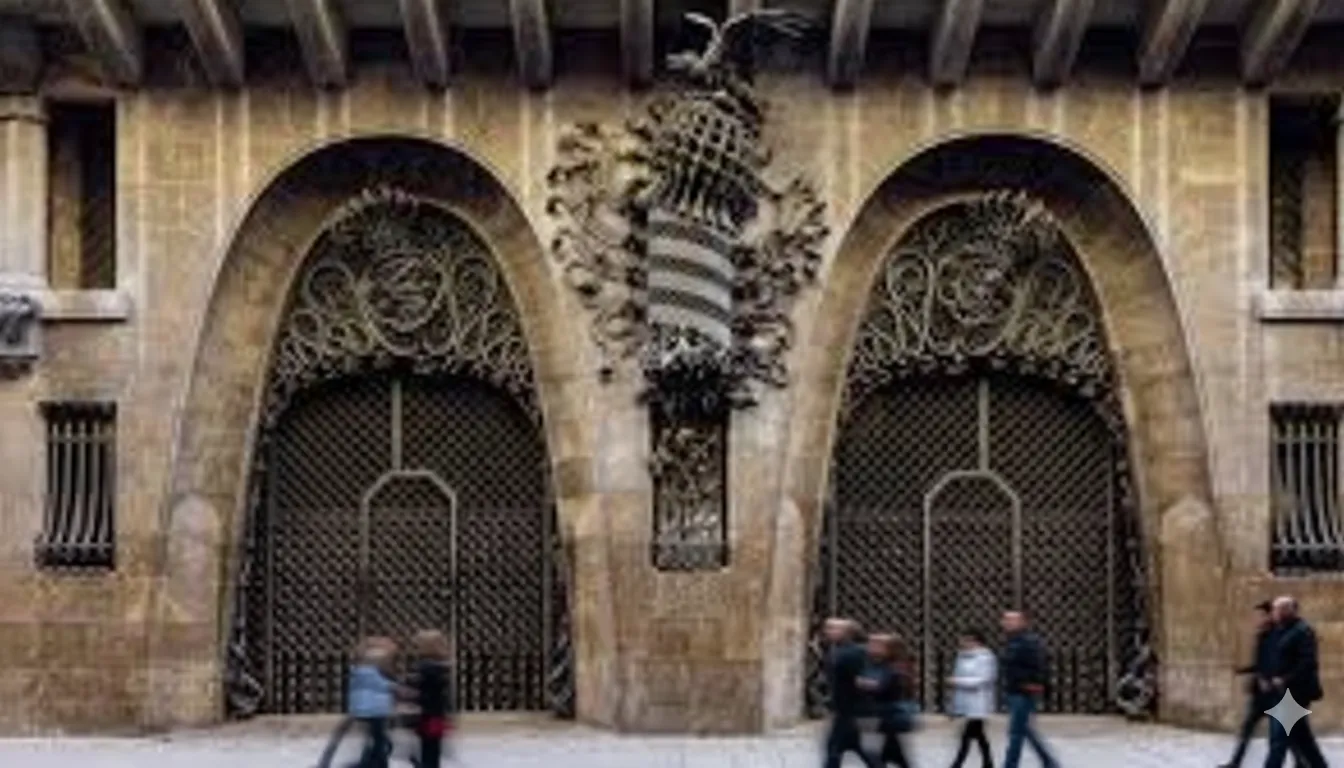
Located just off the busy Las Ramblas, Palau Güell offers a stark contrast to the airy Palau de la Música. This was one of Antoni Gaudí’s early commissions for his patron, Eusebi Güell.
The Experience: Then vs. Now
- Then: This was a high-society residence designed to impress. The ground floor was essentially a luxury "parking garage" for horse-drawn carriages, with ramps leading down to the stables.
- Now: It stands as a museum showcasing the evolution of Gaudí's genius. The stables in the basement, with their mushroom-shaped pillars, are now one of the most photographed spots in the city.
What to See
Don't miss the roof terrace. It features twenty whimsical chimneys covered in colorful ceramic fragments (trencadís). It was here that Gaudí first experimented with the style he would later perfect at Park Güell and Casa Batlló.
- Location: Carrer Nou de la Rambla, 3-5, 08001 Barcelona
- Opening Hours: Tuesday to Sunday, 10:00 AM to 8:00 PM (Summer); 10:00 AM to 5:30 PM (Winter). Closed on Mondays.
- Things to Keep in Mind: The staircases are narrow and steep in some sections. If you struggle with heights or mobility, use the modern elevator installed for visitors.
Nearby Recommends
After your visit, I recommend visiting Pastisseria Ideal. It is a historic shop where you can find traditional Catalan pastries. For a more substantial meal, El Jardí is a "hidden" restobar located in the courtyard of a former hospital nearby, offering a peaceful escape from the Rambla crowds.
3. Palau Reial de Pedralbes: Royal Serenity
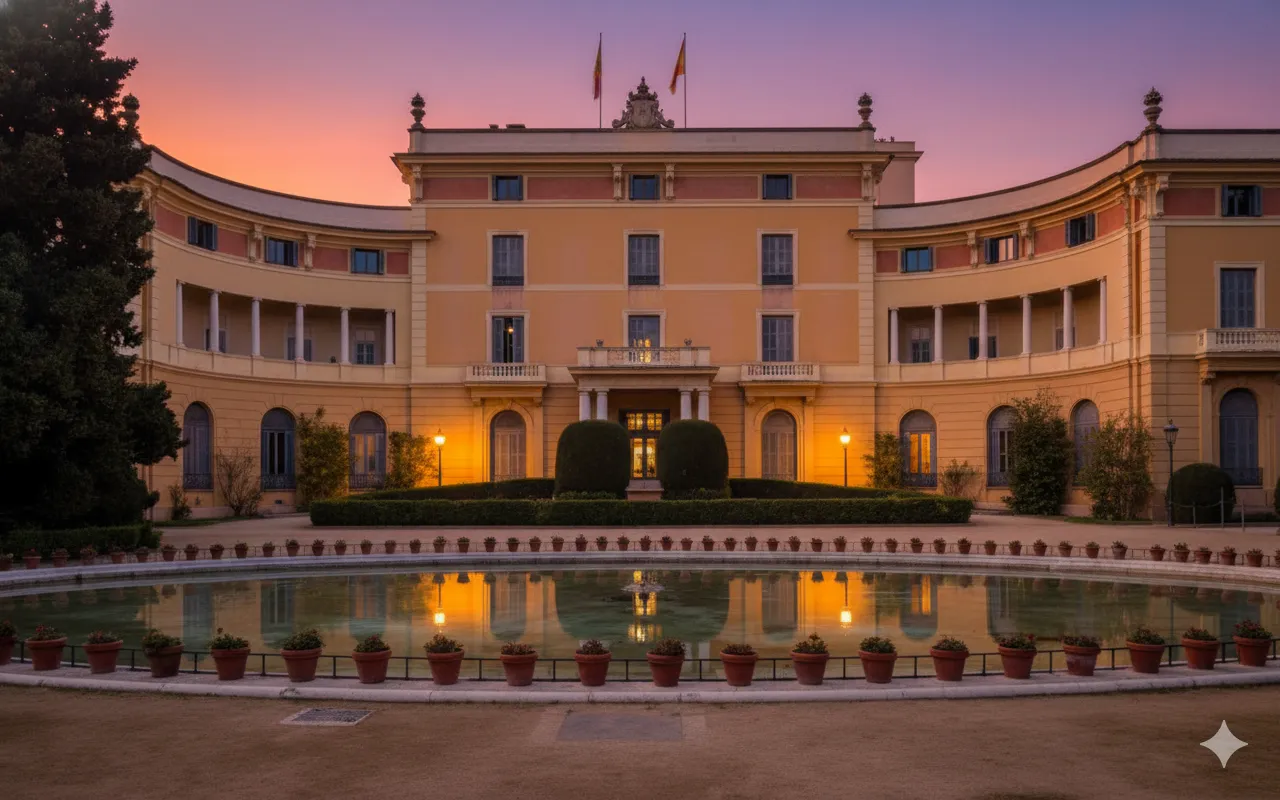
If you want to escape the city center's hustle, head to the Palau Reial de Pedralbes. This palace served as the residence for the Spanish Royal Family during their visits to Barcelona between 1919 and 1931.
The Experience: Then vs. Now
- Then: It was a sprawling estate owned by the Güell family before they gifted it to the Crown. It was the epitome of royal privacy and luxury.
- Now: The palace itself often hosts institutional events, but the gardens are open to the public. It feels more like a grand urban park where you can see locals jogging or reading under the shade of ancient trees.
What to See
The gardens are the highlight. Look for the Fountain of Hercules, a small, overlooked work by Gaudí that was rediscovered decades after it was built. The pond with water lilies near the entrance is a great spot to spend time on a quiet morning.
- Location: Av. Diagonal, 686, 08034 Barcelona
- Opening Hours: Gardens are open daily from 10:00 AM to sunset (usually around 6:00 PM in winter and 9:00 PM in summer).
Nearby Recommends
The Pedralbes neighborhood is upscale and quiet. I suggest walking to Parc de Cervantes nearby if you love roses. For a snack, Maison Kayser on Diagonal offers excellent French-style breads and pastries that are perfect for a picnic in the palace gardens.
4. Palau de la Generalitat: The Heart of Catalan Power
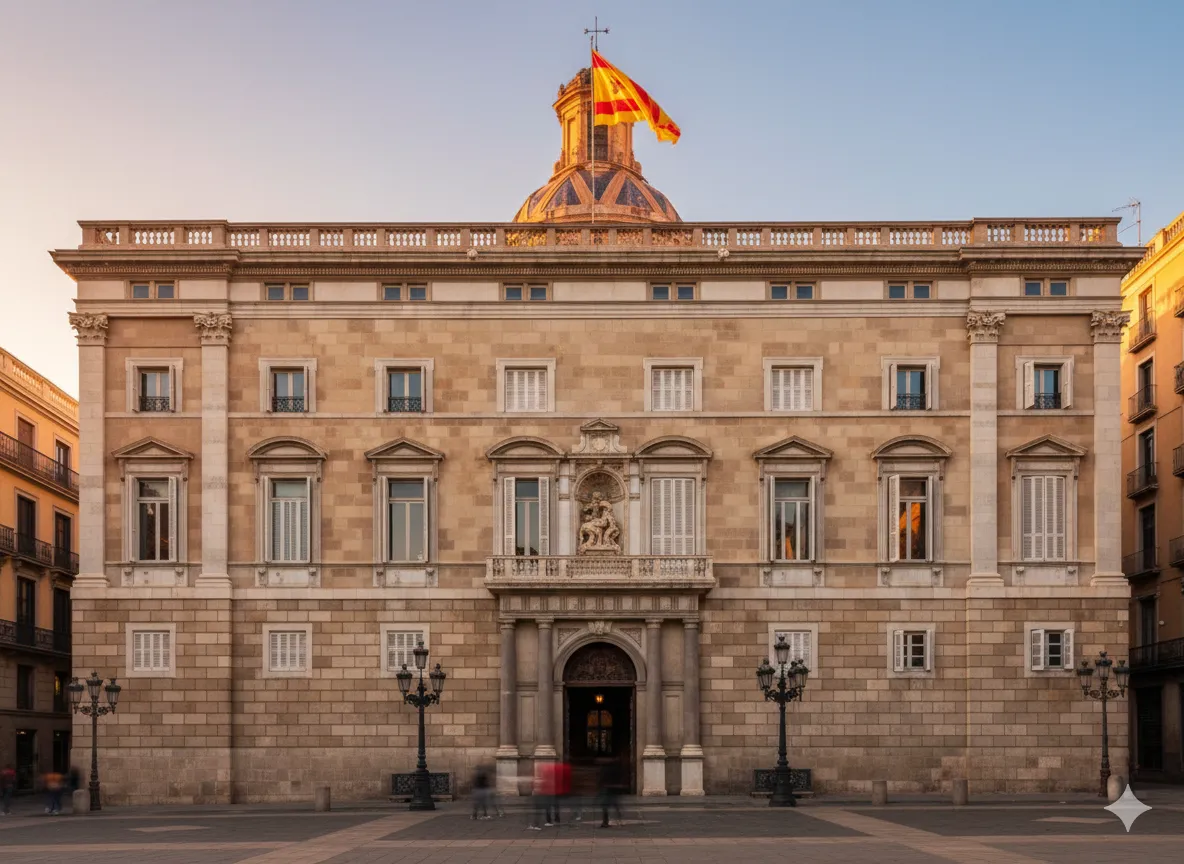
Located in Plaça de Sant Jaume, the Palau de la Generalitat is one of the few medieval buildings in Europe that still functions as the seat of the government that built it.
The Experience: Then vs. Now
- Then: Built in the 15th century, it was the administrative heart of the Principality of Catalonia.
- Now: It remains the seat of the Catalan Presidency. While it is an active government building, it opens its doors to the public on specific holidays, such as Sant Jordi (April 23rd).
What to See
If you are lucky enough to visit during an open house, the Patio de los Naranjos (Orange Tree Courtyard) is breathtaking. The Gothic architecture combined with the scent of citrus trees creates a sensory experience that feels hundreds of years old.
- Location: Plaça de Sant Jaume, 4, 08002 Barcelona
- Opening Hours: Generally closed to the public except for guided tours (by appointment) and special holidays like April 23rd or September 11th.
Nearby Recommends
You are in the heart of the Gothic Quarter. I recommend grabbing a traditional chocolate with churros at Granja Dulcinea on Carrer de Petritxol. For a savory lunch, Bun Bo Vietnam offers a fresh, modern contrast to the surrounding ancient stone walls.
5. Palau Moja: Neoclassical Elegance on the Rambla
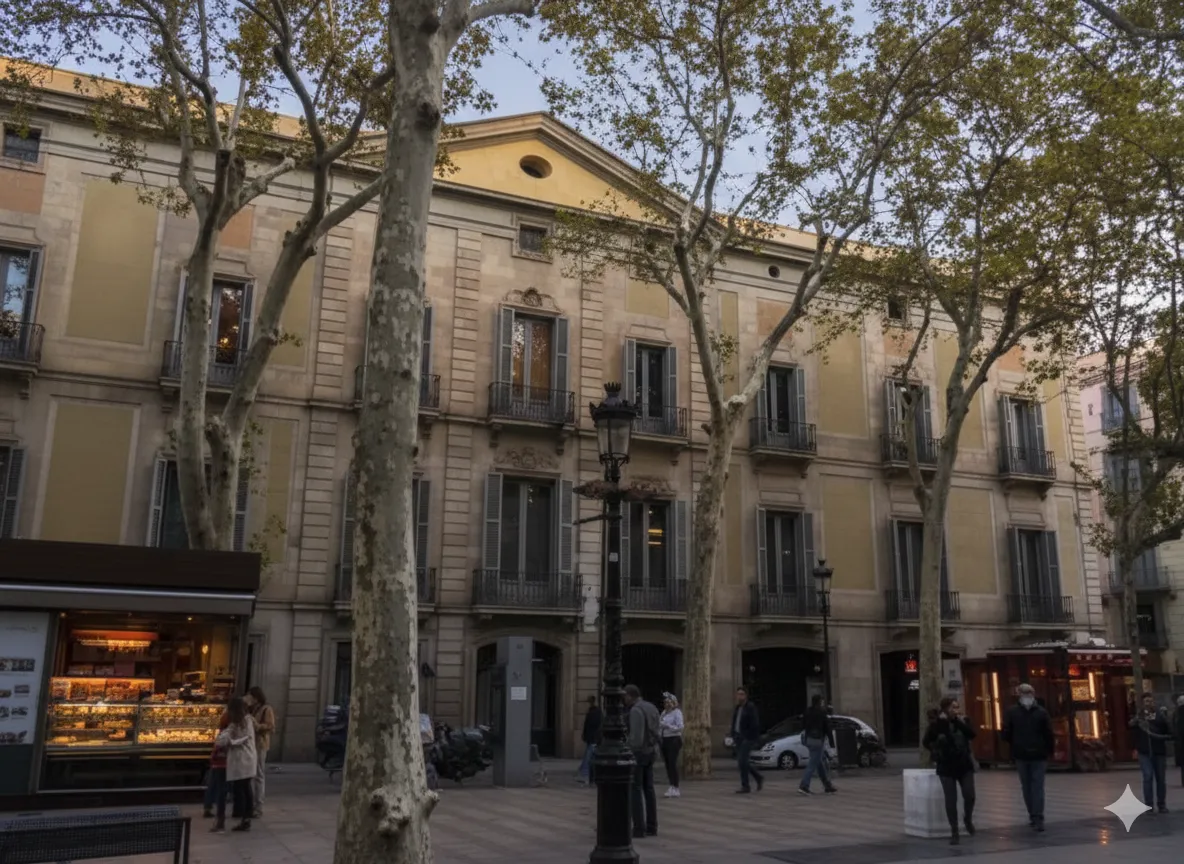
The Palau Moja is often overlooked because it sits right on the busy Las Ramblas, but its Neoclassical facade hides a rich history of the Catalan bourgeoisie.
The Experience: Then vs. Now
-
Then: Built in the late 1700s, it was the residence of the Marquis of Moja. It was the site of lavish balls and was later the home of the famous poet Jacint Verdaguer.
-
Now: It serves as a cultural heritage center. The ground floor houses a wonderful bookshop and a space dedicated to promoting Catalan tourism and local products.
-
Opening Hours: Daily from 10:00 AM to 8:00 PM.
Nearby Recommends
Right next door is the Mercat de la Boqueria. Instead of the crowded front stalls, head to the back to find El Quim de la Boqueria for their famous eggs with baby squid. For dessert, the ice cream at Rocambolesc (by the Roca brothers) is an artistic experience in itself.
Practical Tips for Your Palace Tour
Visiting the palaces in Barcelona requires a bit of planning to ensure a smooth experience. Here are some things to keep in mind:
Do's and Don'ts
- Do book in advance: For the Palau de la Música and Palau Güell, tickets sell out fast, especially in the summer.
- Do check the concert schedule: Sometimes the Palau de la Música closes early for rehearsals. Check their official website before you head out.
- Don't rush: These buildings are filled with tiny details—carved wooden ceilings, hidden mosaics, and symbolic sculptures. Give yourself at least 90 minutes per palace.
- Do respect the silence: In active government buildings like the Generalitat or during rehearsals at the Music Palace, keep your voice low.
- Don't use flash photography: Most of these historic sites allow photos, but flash is strictly forbidden to protect the ancient dyes and materials.
When to Visit
The best time to explore these palaces is during the "shoulder seasons"—May, June, or September. The natural light is still bright enough to illuminate the stained glass, but the temperatures are comfortable for walking between the Gothic Quarter and Eixample.
Things to Keep in Mind
- Security: While exploring the crowded areas around Palau Güell or Palau Moja, be mindful of your personal belongings. Keep your bags zipped and in front of you in busy plazas.
- Dress Code: While there isn't a strict dress code for tours, if you are attending an evening concert at the Palau de la Música, "smart casual" is the local norm.
- Language: Most palaces offer audio guides in multiple languages. I highly recommend taking one; the symbolism in Gaudí’s or Montaner’s work is hard to decipher without context.
FAQ
What are the best palaces to visit in Barcelona?
Palau de la Música Catalana (a UNESCO World Heritage Modernista concert hall), Palau Güell (an early Gaudí commission near Las Ramblas), Palau Reial de Pedralbes (former royal residence with public gardens), Palau de la Generalitat (the seat of Catalan government), and Palau Moja (a Neoclassical building on Las Ramblas now housing a bookshop).
Is there a royal palace in Barcelona?
Yes — Palau Reial de Pedralbes served as the Spanish Royal Family's residence during visits to Barcelona between 1919 and 1931. The building itself often hosts institutional events, but its gardens, including a small Gaudí-designed fountain, are open to the public daily.
Do I need to book palace tickets in advance?
Yes, especially for Palau de la Música Catalana and Palau Güell — both sell out fast in summer. Palau de la Generalitat is generally closed to the public except for guided tours by appointment and specific open-house days like April 23rd.
How much time should I set aside for visiting Barcelona's palaces?
At least 90 minutes per palace — these buildings are filled with small details (carved ceilings, hidden mosaics, symbolic sculptures) that are easy to rush past.
What's the best time of year to visit Barcelona's palaces?
The shoulder seasons — May, June, or September — when natural light is still strong enough to illuminate stained glass features like the ceiling at Palau de la Música, and temperatures are comfortable for walking between sites.
Why the Palaces of Barcelona Matter
What makes the palaces in Barcelona so unique is that they aren't just relics of the past. They are deeply woven into the daily life of the city. You might see a local student practicing piano in a side room of a palace or a government official rushing through a Gothic archway.
These buildings represent the resilience of Catalan culture. Whether it’s the resilient stone of the Palau de la Generalitat or the defiant beauty of the Palau de la Música, these residences remind us that architecture is a form of storytelling. I recommend picking at least two palaces from this list—one Gothic and one Modernista—to see the full spectrum of Barcelona’s soul.
A Final Culinary Suggestion
If you find yourself near the Cathedral after a day of palace hopping, stop at Gelaaati Di Marco. Their artisanal gelato is legendary, and it’s the perfect way to cool down after immersing yourself in the rich, heavy history of the city’s royal and merchant past.
Barcelona’s palaces are waiting to share their secrets with you. Walk slowly, look up often, and let the grandeur of the past inspire your journey through the present.