
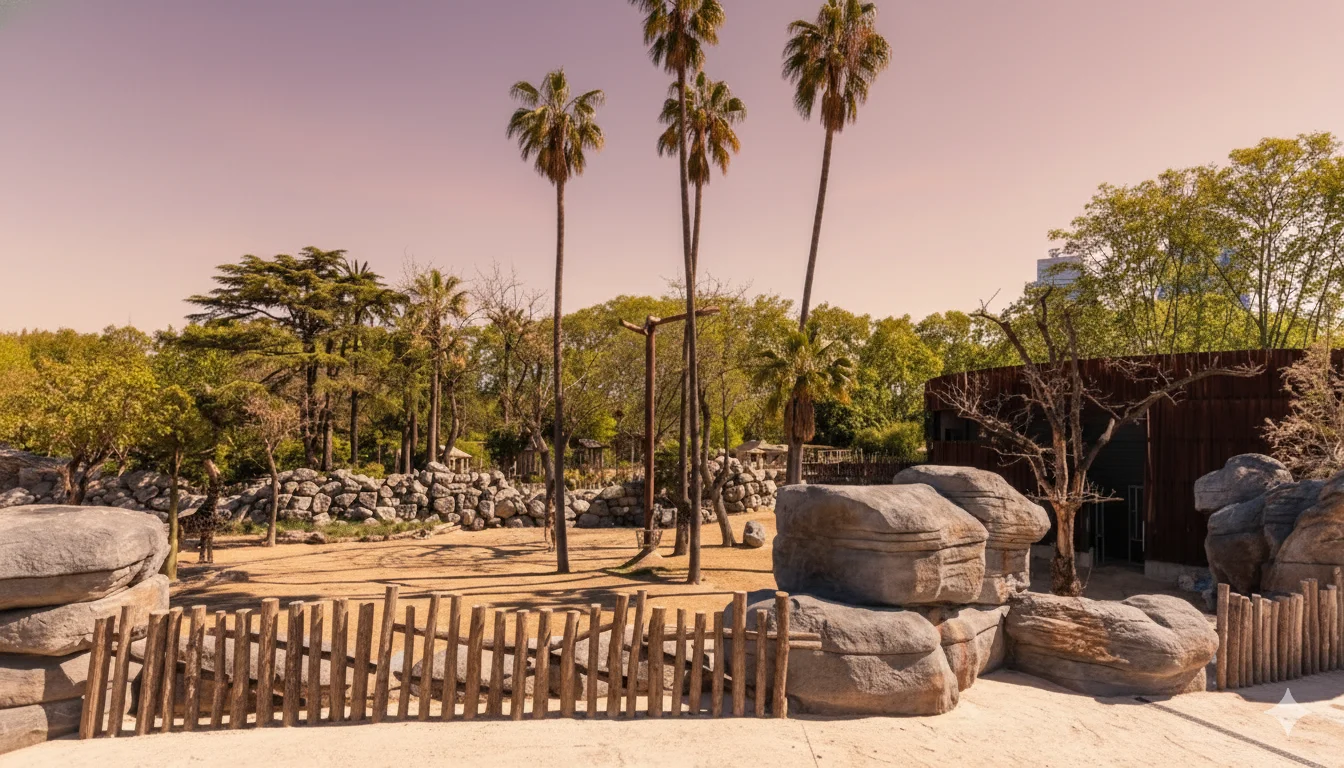
Discovering Wildlife Adventures at the Historic Barcelona Zoo Spain
When you find yourself wandering through the lush, green pathways of the Parc de la Ciutadella, you are actually standing in the heart of Barcelona's most famous wildlife sanctuary. I recommend this place as a cornerstone for any family trip or for those who simply want a peaceful retreat from the urban bustle of the Gothic Quarter. The Barcelona Zoo is not just a collection of animals; it is a historical institution that has evolved into a modern center for research and biodiversity.
Spanning over 13 hectares, this zoo offers a unique blend of Catalan history and global wildlife. Whether you are coming to see the majestic giraffes or the tiny, vibrant tropical birds, your time here will be filled with educational moments and scenic strolls. In this guide, I’ll walk you through the best things to see, how the zoo has transformed over the decades, and where to find the most delicious local treats just a stone's throw from the entrance.
A Journey Through Time: The Evolution of Barcelona Zoo
To truly appreciate the Barcelona Zoo, you have to look back at its origins. It first opened its doors in 1892, utilizing the grounds left behind after the 1888 Universal Exposition.
How it Used to Be
In the mid-20th century, the zoo was famous worldwide for one inhabitant: Snowflake (Copito de Nieve), the world’s only known albino gorilla. For decades, the zoo’s identity was closely tied to him. Back then, animal enclosures were designed more for visibility and entertainment rather than natural mimicry. You would have seen more traditional bars and concrete flooring, which was the standard for zoological parks globally at the time.
What it is Now
Today, the zoo has undergone a radical transformation. Following the passing of Snowflake in 2003, the focus shifted entirely toward conservation, education, and research. You will find that the bars have been replaced by large glass panels and natural moats. The habitats are now "naturalized," meaning they mimic the actual ecosystems of the animals. The zoo is now part of the European Association of Zoos and Aquaria (EAZA), working hard to save endangered species like the Bornean orangutan and the Iberian wolf.
You can find the main entrance located at Parc de la Ciutadella, s/n, 08003 Barcelona, Spain.
Top Things to See and Experience
The zoo is intelligently laid out, but if you want to make the most of your visit, I suggest you follow a route that covers these specific zones.
The Land of Dragons
This is a relatively new addition and a great place to spend time on. It is dedicated to the Komodo dragon.
- The Experience: You can see these massive lizards in a habitat that mimics the Indonesian islands.
- Don't Miss: Look for the Muntjac deer, which share a nearby space. The interpretation center here explains the fascinating biology of the world's largest lizard.
The Primate Gallery
This remains one of the most popular sections. While Snowflake is no longer here, his legacy lives on through the extensive primate research conducted.
- The Species: You will find chimpanzees, gorillas, and several species of marmosets.
- Insider Tip: The Bornean orangutans are particularly active in the morning. Watching them navigate their climbing structures is a highlight for many visitors.
The Aquarama and Marine Life
In the past, the dolphin show was a major draw. However, in a move toward better animal welfare, the zoo ended the dolphin performances a few years ago.
- The Change: The dolphins were moved to a more suitable sanctuary, and the area now focuses on Mediterranean marine life and sea lions.
- Observation: I recommend watching the sea lion feeding sessions; the keepers provide excellent commentary on their behavior and health.
The Farm (ZOO de la Granja)
If you are traveling with young children, this is your go-to spot.
- The Vibe: It features domestic animals like goats, sheep, and ponies.
- Interactive Fun: There is a petting area and a playground nearby, making it the perfect place for kids to burn off some energy while learning about rural life.
Nearby Culinary Delights: Where to Eat and Drink
After walking several kilometers through the zoo, you will likely have a healthy appetite. The Parc de la Ciutadella is surrounded by the vibrant El Born and Barceloneta neighborhoods, offering some of the best food in the city.
Inside the Zoo
If you want to stay within the grounds, there are several snack bars and a main cafeteria.
- Recommendation: I suggest the picnic areas! Many locals bring their own "bocadillos" (Spanish sandwiches) and enjoy them under the shade of the ancient trees. It’s a very "Barcelona" way to spend your afternoon.
Just Outside the Gates
- Gelaaati Di Marco: After your visit, you must head toward the Born district for a treat. This is arguably the best Italian-style gelato in the city.
Coffee and Restobars
- Bohl: A trendy cafe perfect for a healthy bowl or a specialty coffee before you start your zoo adventure.
- El Xampanyet: If you want to experience a traditional tapas bar after the zoo closes, this historic spot is a great place to spend time on for cava and anchovies.
Practical Information for Your Visit
Opening and Closing Hours
The zoo is open every day of the year, but the closing times change with the seasons to match the daylight.
- Opening Time: 10:00 AM daily.
- Closing Times:
- Winter (Late Oct to March): 5:30 PM.
- Spring/Autumn (April to mid-May, mid-Sept to Oct): 7:00 PM.
- Summer (Mid-May to mid-Sept): 8:00 PM.
- Note: The ticket office closes 30 minutes before the zoo itself.
When to Visit
- Best Time of Day: I highly recommend arriving right at 10:00 AM. Animals are generally more active in the cooler morning hours, and you’ll avoid the mid-day school groups.
- Seasonal Considerations: May and June are beautiful as the flowers in Ciutadella Park are in full bloom. If you visit in July or August, make sure to wear plenty of sunscreen and stay hydrated, as the Mediterranean sun can be intense.
Things to Keep in Mind
- Accessibility: The zoo is entirely flat and wheelchair/stroller accessible. You can even rent small electric cars inside if you have mobility concerns.
- Stay Mindful: While the park is a safe and joyful place, it is always a good practice to stay mindful of your personal belongings in high-traffic areas, just as you would in any major city park.
- App: Download the Barcelona Zoo app. it has an interactive map and real-time info on keeper talks.
Do’s and Don’ts during the Experience
To ensure a respectful and enjoyable trip for you and the animals, keep these simple guidelines in mind:
Do’s
- DO use the designated recycling bins. The zoo is very proud of its sustainability efforts.
- DO bring your camera. The "naturalized" enclosures offer fantastic photography opportunities without bars in the way.
- DO attend the keeper talks. Even if you don't speak perfect Spanish or Catalan, watching the interaction between the keepers and animals is very insightful.
Don’ts
- DON'T feed the animals. Their diets are strictly controlled by veterinary staff. Human food can be very harmful to them.
- DON'T bang on the glass of the enclosures. It stresses the animals and disrupts their natural behavior.
- DON'T forget to explore the rest of the Parc de la Ciutadella. The "Cascada Monumental" fountain and the Mammoths sculpture are just outside the zoo and are must-sees.
Other Experiences Close to the Zoo
Since you are in the Ciutadella area, you can easily pair your zoo visit with these nearby gems:
- Chocolate Museum (Museu de la Xocolata): Just a few blocks away, this museum tells the story of how chocolate arrived in Europe via Barcelona.
- Barcelona Aquarium: Located at the end of the Port Vell, it is about a 15-minute walk from the zoo. If you want a full day of "land and sea," this is a perfect combination.
- The Parliament of Catalonia: Located right next to the zoo within the park, the building is stunning and offers guided tours on certain days.
Tips for a Sustainable Visit
The Barcelona Zoo is a leader in urban sustainability. Here is how you can help:
- Water Fountains: There are plenty of drinkable water fountains throughout the zoo. I recommend bringing a reusable bottle to avoid purchasing single-use plastics.
- Public Transport: The zoo is incredibly easy to reach via the Metro (L4 - Ciutadella / Vila Olímpica) or the Tram. I suggest avoiding driving as parking in the Born district can be quite difficult.
FAQ
What are the Barcelona Zoo opening hours?
The zoo opens at 10:00 AM every day of the year. Closing time changes with the season: 5:30 PM in winter (late October to March), 7:00 PM in spring and autumn, and 8:00 PM in summer (mid-May to mid-September). The ticket office closes 30 minutes before the zoo itself.
Where is the Barcelona Zoo located?
Inside Parc de la Ciutadella, on the edge of the El Born and Barceloneta neighborhoods. The easiest way there is Metro L4 to Ciutadella / Vila Olímpica, or the tram.
Is the Barcelona Zoo open every day?
Yes, it's open 365 days a year — only the closing time shifts by season.
Is the Barcelona Zoo stroller and wheelchair accessible?
Yes. The zoo is entirely flat, and small electric mobility cars are available to rent inside if needed.
What's the best time of day to visit?
Right at opening, 10:00 AM. Animals are more active in the cooler morning hours, and you'll beat the midday school groups.
What to Expect Emotionally
A visit to the Barcelona Zoo today is a reflective experience. It’s less about "looking at animals in cages" and more about understanding our role in the global ecosystem. You will see scientists working, students taking notes, and families bonding. It is a place of quiet observation.
When you stand in front of the gorilla enclosure, you might feel a sense of nostalgia for the era of Snowflake, but you will also feel a sense of pride in how much we have learned about protecting these magnificent creatures.
Final Thoughts
The Barcelona Zoo is a living part of the city's fabric. It has grown from a 19th-century spectacle into a 21st-century sanctuary. Whether you are marvelling at the elephants or enjoying a quiet moment in the aviary, I recommend you take your time. Don't rush through the exhibits. Sit on a bench, enjoy the Mediterranean breeze, and observe the complexity of the natural world.
As you exit back into the Parc de la Ciutadella, perhaps heading toward the Arc de Triomf for a sunset photo, you will realize that the zoo has given you a deeper connection to the planet. It is a great spot to spend time on, offering both joy for the kids and deep insights for the adults. Enjoy your wild day in the heart of Barcelona!