
Discover the Most Scenic and Underrated Barcelona Lakes and Rivers
When you think of the Catalan capital, your mind likely drifts to the sapphire waves of the Mediterranean and the golden sands of Barceloneta. However, there is a whole other side to the city’s geography that remains largely unexplored by the average traveler. The Barcelona lakes and rivers offer a tranquil, freshwater contrast to the bustling salty coastline. From the recovered ecological corridors of the Besòs to the hidden, forest-shrouded reservoirs in the Collserola hills, these spots provide a breath of fresh air and a unique perspective on local life.
In this guide, I recommend stepping away from the typical Gaudí trail for a day to immerse yourself in these scenic waterscapes. Whether you are looking for a place to cycle, a quiet spot for a picnic, or an underrated reservoir where the only sound is the croaking of frogs, you will find it here.
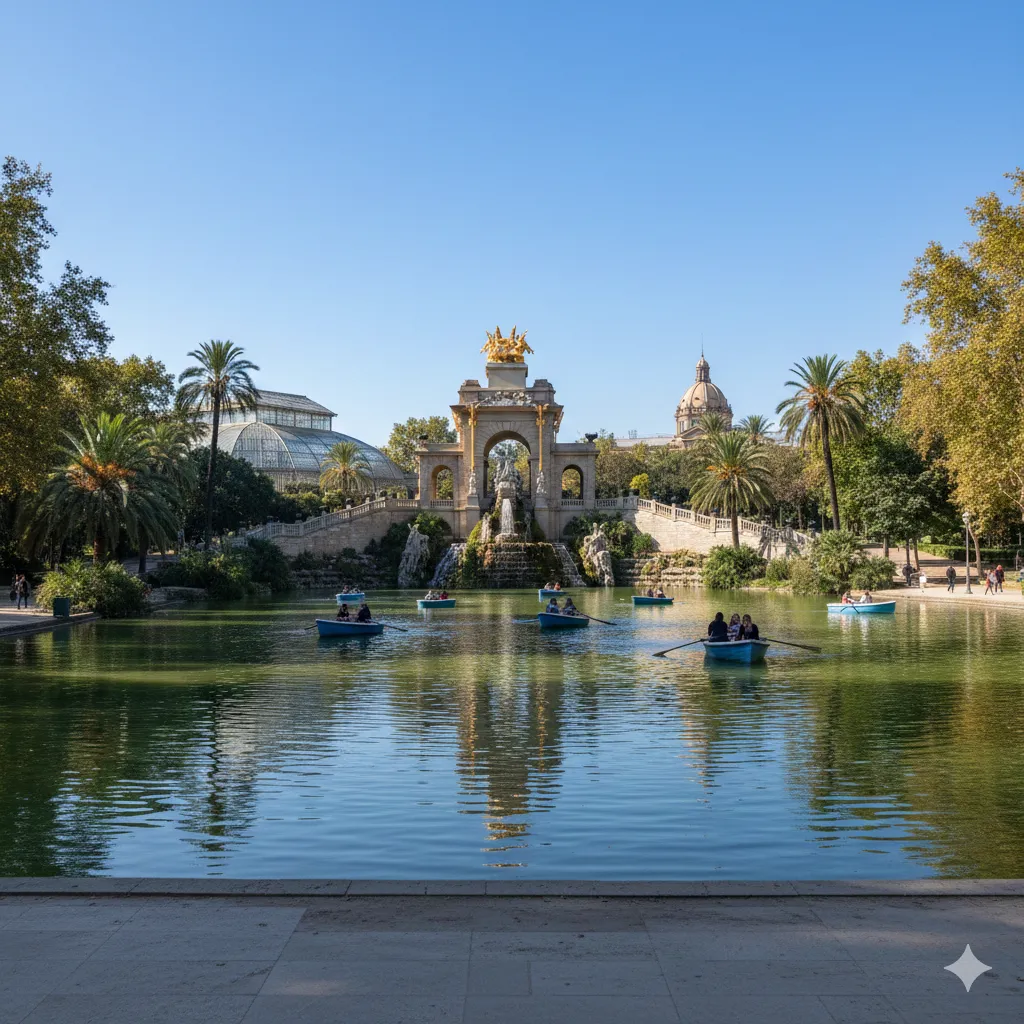
The Heart of the City: The Lake at Parc de la Ciutadella
The most famous of all Barcelona lakes is undoubtedly the one found in the heart of the city center. This isn't just a body of water; it is the social heart of the city's most beloved park.
A Transformation from Fortress to Flora
Historically, this area was the site of a hated military fortress—the Citadel—built by King Philip V to keep the city under control after the Siege of Barcelona. In the late 19th century, the fortress was demolished and transformed into a park for the 1888 Universal Exposition. Today, the lake serves as a centerpiece where you can rent small wooden rowing boats.
- Things to do: I recommend renting a boat for 30 minutes. It is a classic experience that feels incredibly nostalgic. You’ll row past turtles basking on logs and ducks hoping for a stray crumb.
- What to see: Just a few steps from the lake is the Cascada Monumental, a grand fountain where a young Antoni Gaudí helped with the design. The water features here are spectacular, featuring golden chariots and intricate stone carvings.
- When to visit: Early mornings on weekdays are the most peaceful. On Sundays, the park is filled with musicians and families.
- Nearby Dining: After rowing, walk five minutes into the El Born neighborhood to Pastelería Hofmann. I highly recommend their mascarpone croissant. If you need a stronger caffeine fix, Nomad Coffee is a great spot to spend time.
- Google Maps: Parc de la Ciutadella
The Besòs River: An Ecological Success Story
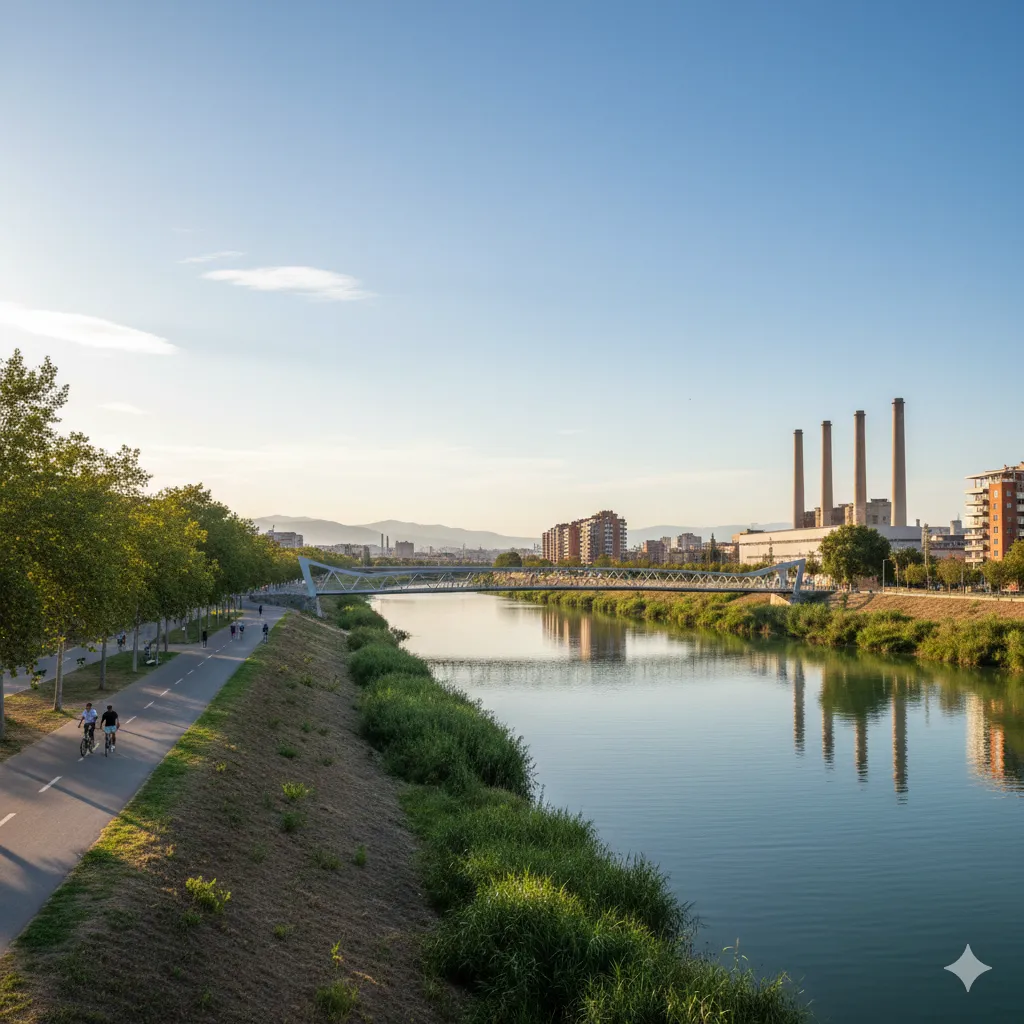
If you want to see how a city can heal its environment, look no further than the Besòs River Park.
From Industrial Drain to Green Ribbon
In the 1970s and 80s, the Besòs was considered one of the most polluted rivers in Europe due to heavy industrial runoff from the surrounding factories. However, a massive restoration project in the late 90s turned the riverbed into a stunning 9-kilometer green corridor.
- The Experience: You will find perfectly paved paths for cycling and running. I recommend visiting on a Sunday morning when the atmosphere is buzzing with local families and amateur athletes.
- Insider Tip: The river attracts an incredible variety of birdlife now, including grey herons and kingfishers. Bring binoculars if you enjoy birdwatching.
- What to expect: The park is divided into a "wetland" area for biodiversity and a "public" area with grass for lounging.
- Google Maps: Parc Fluvial del Besòs
Nearby Restobar: After a long walk along the river, head toward the Poblenou district to Balius Bar, a stylish spot in a former pharmacy that serves excellent cocktails and vermouth.
The Hidden Gem: Pantà de Vallvidrera
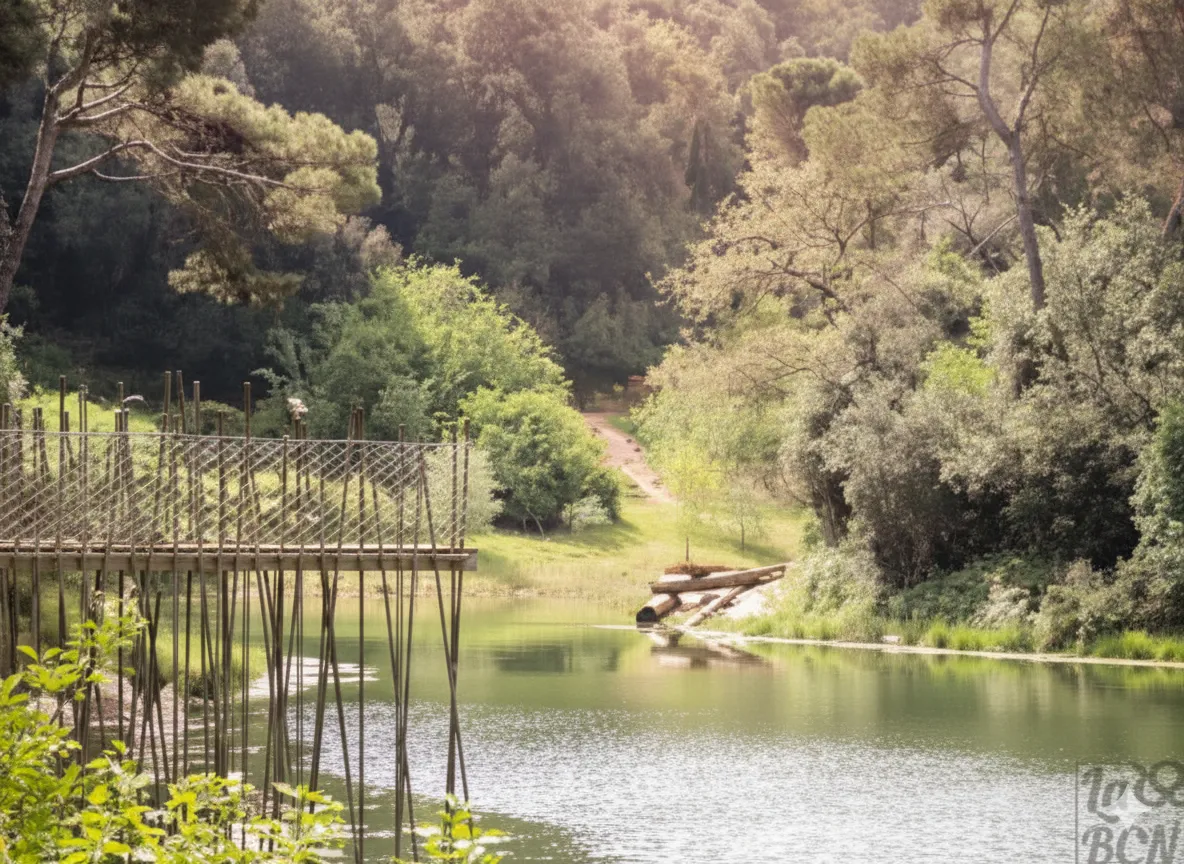
Tucked away in the Collserola Natural Park, the Pantà de Vallvidrera is perhaps the most underrated of the Barcelona lakes. This small reservoir was built in 1864 to supply water to the Sarrià neighborhood.
- The Vibe: It feels a world away from the urban sprawl. Surrounded by oak and pine forests, the water is a deep emerald green.
- How to get there: I recommend taking the FGC train to "Baixador de Vallvidrera." From there, it is a short, scenic 15-minute walk through the woods.
- Things to keep in mind: This is a protected area for amphibians. You will hear a literal symphony of frogs during the warmer months. It is a quiet zone, so I recommend keeping noise to a minimum to respect both the wildlife and the local hikers.
- Google Maps: Pantà de Vallvidrera
Dining Tip: Just a short walk from the reservoir is Can Cortès. It is an authentic Catalan "Masia" (farmhouse) serving grilled meats with spectacular views over the valley.
The Llobregat River and its Delta
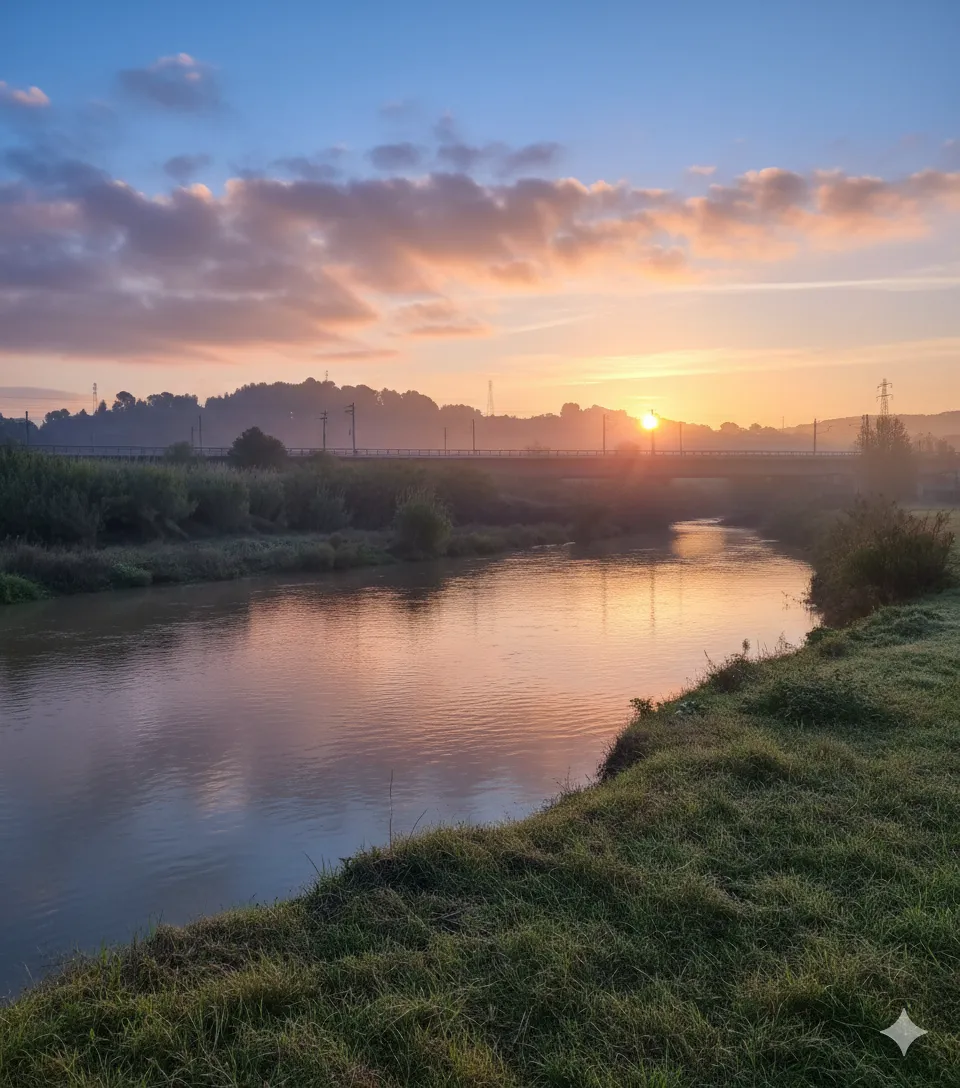
The Llobregat is the "other" major river of Barcelona, defining the western border of the city. While the upper parts are industrial, the Llobregat Delta is a spectacular nature reserve.
- What to see: The river mouth is a fascinating place where the fresh water meets the Mediterranean. I recommend visiting the Espais Naturals del Riu Llobregat.
- Experience: There are wooden walkways over the wetlands. It’s one of the few places near the city where you can see flamingos during migration seasons.
- Comparison: This area used to be wild and largely inaccessible to the public. Today, it is a structured park with observation towers that provide amazing views of planes taking off from nearby El Prat airport—a strange but fascinating juxtaposition of nature and machinery.
- Google Maps: Llobregat Delta Nature Reserve
Llac de l'Agulla: A Worthy Day Trip
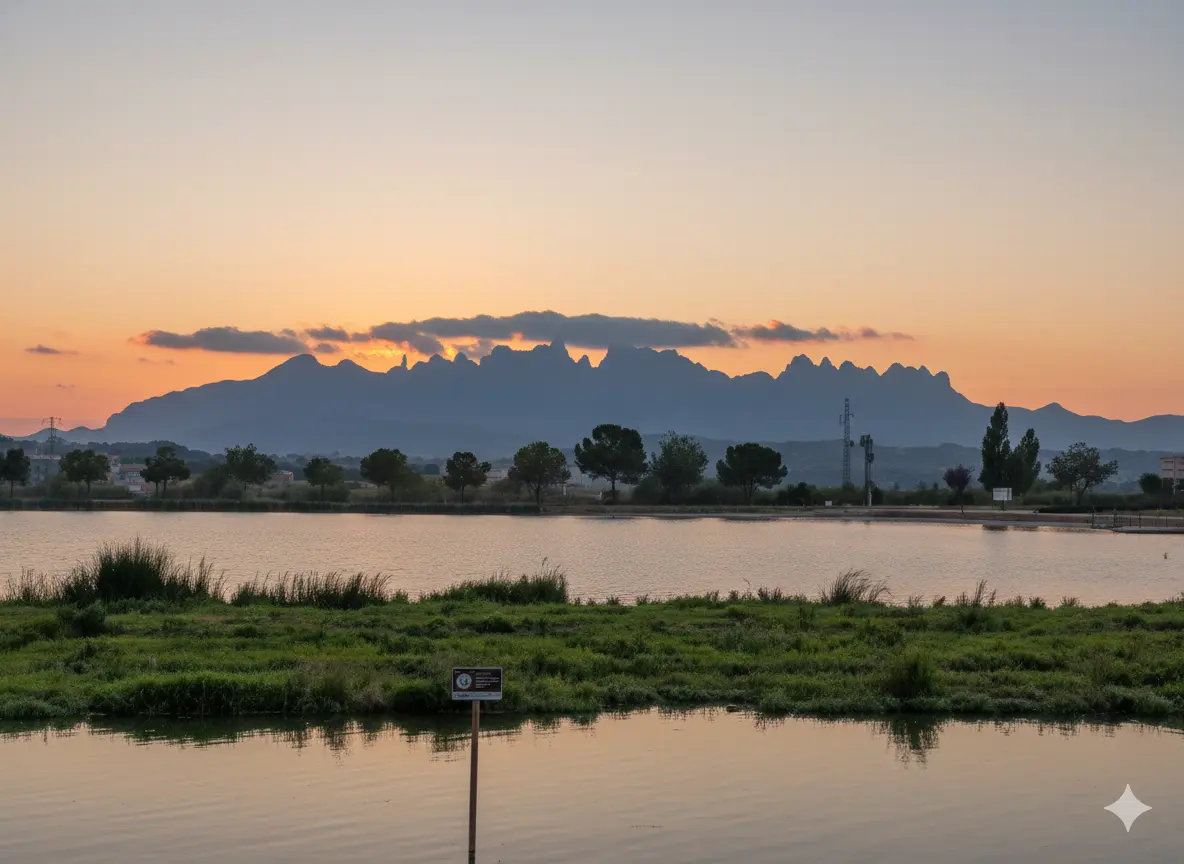
While technically located near the town of Manresa, about 45 minutes from the city center, the Parc de l'Agulla is the primary water source for the region and a favorite weekend escape for locals.
- Why go: This man-made lake offers the most stunning panoramic view of the Montserrat mountain range. The reflection of the jagged peaks in the water is a sight you won't soon forget.
- Activities: It’s a great spot for jogging or simply lounging on the grass. You can also find a restobar right on the edge of the water where you can have a vermouth while enjoying the view.
- Google Maps: Parc de l'Agulla
Urban Water Architecture: Parc de l'Espanya Industrial
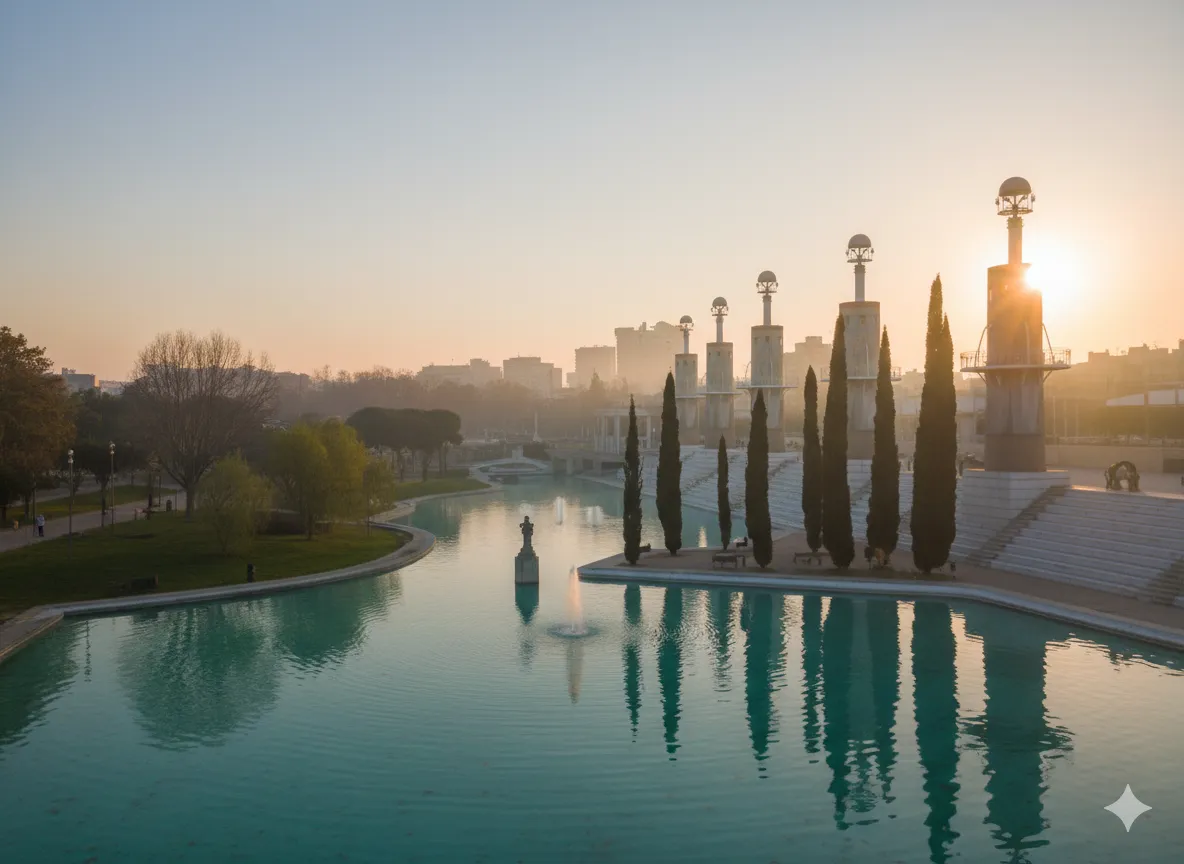
Located right next to Sants Station, the Parc de l'Espanya Industrial features a large, modern lake that serves as an urban cooling station.
- Then vs. Now: This was once one of the most important textile factories in Spain. When it was demolished in the 1980s, the city built this park, keeping the "industrial" spirit alive with giant iron lighthouses and a massive dragon sculpture that doubles as a slide.
- The Experience: The lake is stepped, allowing you to sit right at the water's edge. I recommend this place if you have a couple of hours to wait before a train departure.
- Google Maps: Parc de l'Espanya Industrial
Nearby Treat: Walk a few blocks to Gelateria Badiani for some incredible award-winning gelato.
Scenic Springs: Font de la Budellera
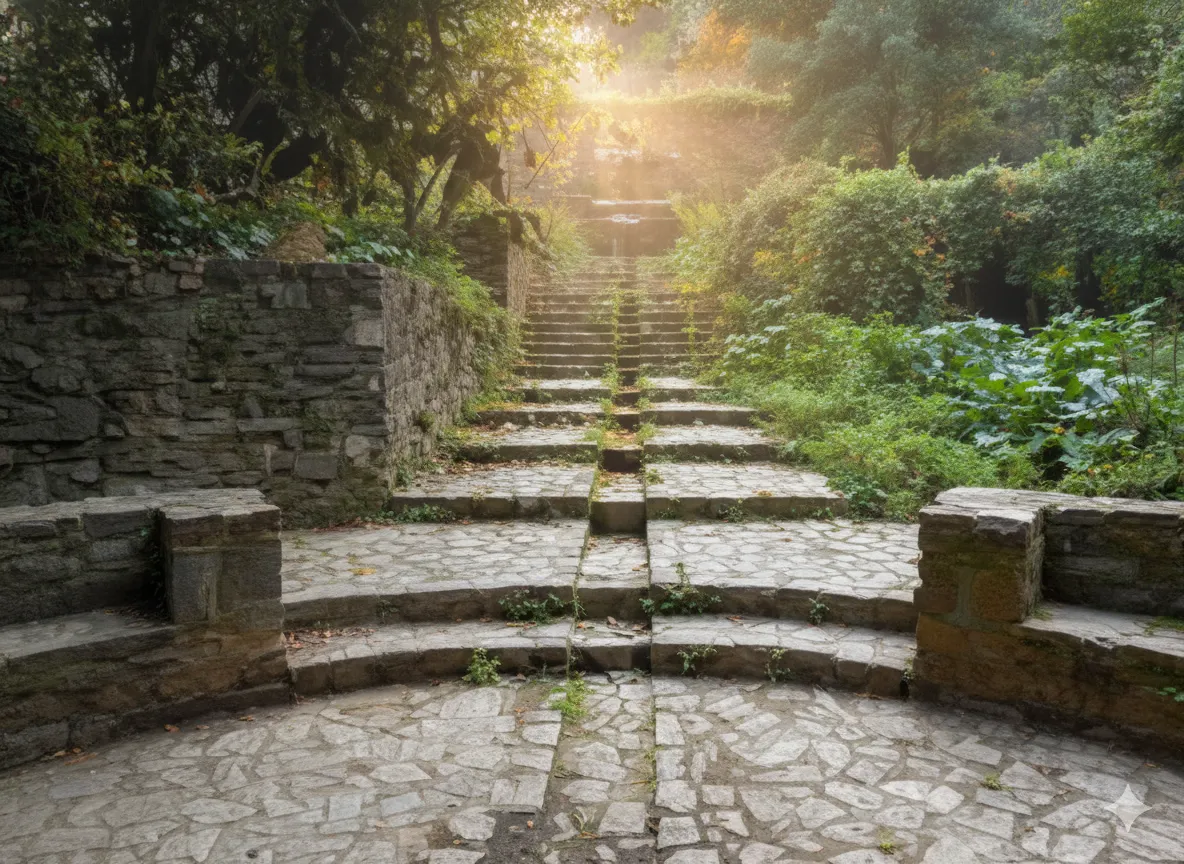
Deep in the hills above the city, the "rivers" of Barcelona often start as small, ancient springs. The Font de la Budellera is the most famous spring in the Collserola range.
- The Walk: The water flows into a series of stone basins designed in the early 20th century. I recommend following the stream down the valley; it is lush, cool, and feels like a secret garden.
- Insider Tip: This is a favorite spot for locals to fill up water bottles with fresh spring water, though you should always check the signs for potability.
- Google Maps: Font de la Budellera
Practical Tips for Your Visit
To make the most of your journey to these Barcelona lakes and rivers, keep these traveler-friendly tips in mind:
Best Times to Visit
- Spring (March to May): This is when the rivers are at their highest flow and the parks are in full bloom.
- Autumn (September to November): The temperatures are perfect for the long walks required to reach spots like the Pantà de Vallvidrera.
- Avoid Midday in Summer: Urban river parks like the Besòs have very little shade. If you go in July, I recommend heading there for sunrise or sunset.
Respecting the Environment
Many of these areas, particularly the Llobregat Delta and Vallvidrera, are sensitive ecological zones.
- Sentiment: Locals are very proud of the recovery of their rivers. Please ensure you take all trash with you and stay on the designated paths to protect the nesting birds and amphibians.
Safety and Comfort
- Hydration: While there are fountains in the urban parks, I recommend bringing your own water bottle for the Collserola trails.
- Mindfulness: These are generally very safe areas. However, as with any large city, it is always wise to keep an eye on your belongings in public parks to ensure a stress-free trip.
- Water Activities: If you plan on engaging in any boating or water-based excursions on larger reservoirs outside the city center, your safety is paramount. When participating in these activities, use life jackets and a local guide when treading in water to ensure you are aware of local currents and depths.
Dining Near the Water
Barcelona's culinary scene often clusters around its scenic spots.
- Near Parc de la Ciutadella: For a post-lake meal, 7 Portes is a historic choice for paella.
- Near the Llobregat: Head to the center of El Prat to try the famous Pollastre de la Raça Prat (local blue-footed chicken) at Restaurante El Cortijo.
FAQ
Does Barcelona have a river?
Yes — two, in fact. The Besòs River runs along the city's northeastern edge and has been transformed into a 9-kilometer green corridor park. The Llobregat River forms the western border and feeds a nature reserve at its delta, near El Prat airport.
Are there lakes in Barcelona?
Yes, though most are man-made. The most central is the lake at Parc de la Ciutadella, where you can rent rowing boats. Pantà de Vallvidrera is a hidden reservoir in the Collserola hills, and Parc de l'Espanya Industrial has a large modern lake near Sants Station.
Can you swim in Barcelona's rivers or lakes?
These spots are generally for walking, cycling, birdwatching, and boating (at Parc de la Ciutadella) rather than swimming — for a swim, the Mediterranean beaches are the better option. Always use a life jacket and local guidance for any boating on larger reservoirs.
What's the best lake near Barcelona for a day trip?
Llac de l'Agulla, near Manresa (about 45 minutes from the city), offers a panoramic view of the Montserrat mountain range reflected in the water — a favorite weekend escape for locals.
Where can I see wildlife near Barcelona's water spots?
The Llobregat Delta nature reserve is the best bet — it's one of the few places near the city where flamingos can be spotted during migration season, alongside wooden walkways over the wetlands.
Why Explore Barcelona's Freshwater Side?
Exploring the Barcelona lakes and rivers gives you a glimpse into the city's commitment to sustainability and urban renewal. It’s where you see the "real" Barcelona—the joggers, the birdwatchers, and the families enjoying a sunny afternoon.
I recommend picking at least one of these spots to balance out your trip. The contrast between the salt-crusted beaches and the cool, shaded banks of a forest reservoir like Vallvidrera will make your holiday feel truly complete. These waterscapes offer a sense of calm and a connection to nature that you simply won't find on the busy streets of the Gothic Quarter. Enjoy the serenity and the unique Mediterranean magic!