
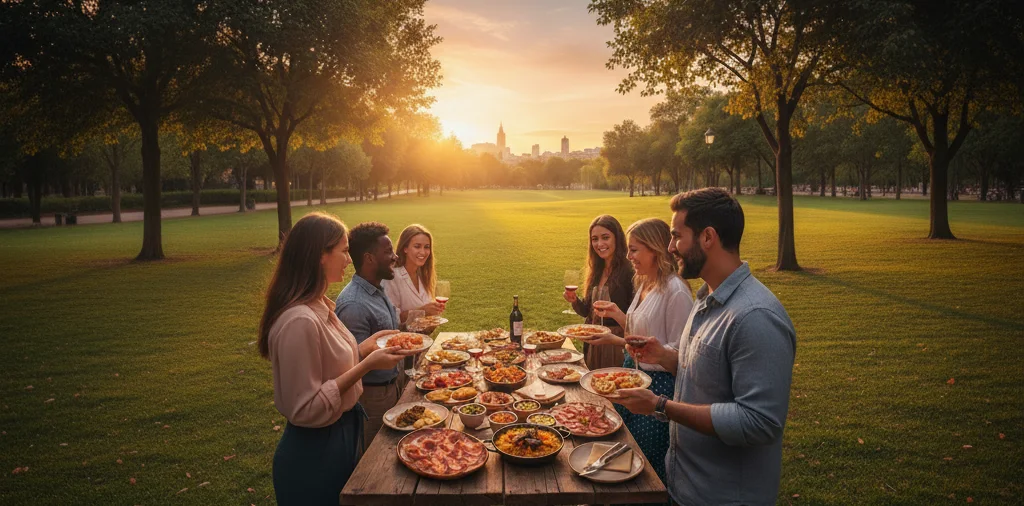
Gourmet Adventures: Exploring Food and Wine Tours in Barcelona
When you think of the Mediterranean lifestyle, your mind likely drifts to sun-drenched terraces, glasses of sparkling Cava, and plates of vibrant, olive-oil-drenched delicacies. There is no better place to experience this sensory symphony than in the heart of Catalonia. I recommend embarking on Food & Wine Tours in Barcelona as the definitive way to connect with the local culture. Beyond the architecture of Gaudí and the history of the Gothic Quarter, it is the flavors of this region that truly tell the story of its people. Whether you are navigating the bustling stalls of a 19th-century market or swirling a deep red Priorat in a hidden cellar, the gastronomic journey here is nothing short of transformative.
In this guide, we will explore the best ways to experience the culinary landscape of the city, focusing heavily on the legendary Barcelona tapas culture, comparing how these traditions have evolved, and providing you with actionable tips for your next visit.
Explore the Gourmet Heart of Barcelona on Google Maps
The Evolution of Catalan Gastronomy: Then vs. Now
To appreciate the current food scene, you must understand where it began. Historically, the "tapas" culture in Barcelona was quite different from the southern regions of Spain like Andalusia.
In the Past: A visit to a local tasca (tavern) in the mid-20th century meant simple, hearty fare. Tapas were primarily a way to keep workers fueled. You would find a slice of tortilla, a few salty anchovies, or a handful of olives served alongside a glass of house vermouth or a "caña" (small beer). The focus was on utility, social gathering, and standing at a crowded wooden bar.
Today: The scene has evolved into a high-art form. While you can still find those charming, dusty taverns, Barcelona is now a global hub for "gastrobars." Modern Barcelona food tours often highlight the "platillo"—a slightly larger, more refined version of a tapa that allows chefs to showcase complex techniques. You’ll find traditional ingredients like botifarra (sausage) or bacallà (salt cod) reimagined with foams, infusions, and creative presentations. The wine scene has also shifted from basic "table wine" to a deep appreciation for terroir, with a focus on organic and biodynamic practices in the nearby Penedès and Priorat regions.
The Anatomy of a Barcelona Tapas Experience
If you are joining a tour, you need to know the "stars of the show." Catalan tapas have a distinct identity. Here are the must-try items I recommend looking for:
- Pa amb Tomàquet (Bread with Tomato): This is the backbone of every meal. It isn't just "bread with tomato"; it is a ritual. Local "pa de coca" (thin, crispy bread) is rubbed with raw garlic and a specific variety of "tomàquet de penjar" (hanging tomato), then drizzled with high-quality extra virgin olive oil and a pinch of sea salt.
- La Bomba: Originally from the Barceloneta neighborhood, this is a potato croquette filled with spicy meat, topped with garlic alioli and a spicy "brava" sauce. It was designed to look like a revolutionary’s grenade!
- Escalivada: A smoky, roasted vegetable dish (usually eggplant, red peppers, and onions) that perfectly represents the rustic flavors of the Catalan countryside.
- Pernil Ibèric (Iberian Ham): No tour is complete without tasting the acorn-fed ham that melts on your tongue.
The Market Experience: Where the Magic Begins
Every great food tour in this city starts at the market. These are the lungs of the city’s culinary life.
1. La Boqueria (Mercat de Sant Josep)
This is perhaps the most famous food market in the world. Located just off La Rambla, it is a kaleidoscope of colors and sounds.
- What to see: Look for the dedicated ham carvers (talladors) who treat Iberico ham like fine silk.
- Recommendation: I recommend heading to the back of the market to find the smaller stalls where locals shop for seasonal mushrooms or fresh seafood.
- Hours: Monday to Saturday, 8:00 AM – 8:00 PM. (Best to visit before 11:00 AM to avoid the largest crowds).
- Location: La Boqueria on Google Maps
2. Mercat de Santa Caterina
If you prefer a more local, less hectic vibe, I recommend this market in the Ribera neighborhood. Its iconic wavy, colorful roof is a landmark in itself.
- Then vs. Now: This site was once a convent. Now, it’s a modern architectural marvel that houses some of the best cheese and olive stalls in the city.
- Hours: Monday to Wednesday, 7:30 AM – 3:30 PM; Thursday and Friday, 7:30 AM – 8:30 PM; Saturday, 7:30 AM – 3:30 PM.
- Location: Santa Caterina on Google Maps
Exploring the Tapas and Pintxos Routes
A food tour is incomplete without a crawl through the historic quarters. Three neighborhoods stand out as the pillars of the Barcelona tapas experience.
The El Born Gourmet Trail
El Born is the trendy heart of the city’s food scene. Here, the narrow medieval streets are lined with boutiques and wine bars.
- Vila Viniteca: This is more than a wine shop; it is an institution. Their tasting space is a great spot to spend time sampling rare Catalan cheeses paired with local varietals like Garnatxa or Xarel·lo. Vila Viniteca on Google Maps
- Pintxos vs. Tapas: In El Born, you’ll find many "Pintxos" bars (Basque-style snacks on skewers). While not native to Catalonia, they have become a staple of the local nightlife. You pick the skewers yourself and the bill is calculated by counting the sticks at the end.
The Gothic Quarter (Barri Gòtic)
The Gòtic is home to some of the oldest restaurants in the city. I recommend looking for Can Culleretes, which has been serving traditional Catalan dishes since 1786.
- Insider Tip: When on a tour here, always look for the "Vins i Olis" signs on old wooden doors. These are often hidden gems where you can buy bulk olive oil and wine straight from the barrel, just as people did a century ago.
Poble-sec and Carrer de Blai
For a budget-friendly and incredibly fun experience, head to Poble-sec. The street Carrer de Blai is famous for its concentration of pintxo bars. It is a vibrant, pedestrian-friendly area where locals congregate after work. Carrer de Blai on Google Maps
The Ritual of Vermouth: Tapas' Best Friend
You cannot understand the Barcelona food and wine scene without the ritual of Fer el Vermut (Doing the Vermouth).
- What it is: A sweet, botanically infused fortified wine, usually red, served on tap (de grifó).
- The Experience: It is typically enjoyed on Sunday midday before lunch. It is served with ice, a splash of sparkling water (sifó), an olive, and a slice of orange.
- The Pairing: I recommend pairing it with "conservas"—high-quality tinned seafood like cockles, mussels in escabeche, or stuffed olives. In Barcelona, tinned food is a gourmet delicacy, not a cheap alternative!
Wine Tasting: From the City to the Vineyards
Catalan wine is a world of its own. Wine tours in Barcelona typically focus on three main pillars: Cava, white wines from Alella, and the bold reds of the south.
Urban Wine Tasting
You don't always have to leave the city to visit a cellar. Many tours take you to "Celler" bars in the Gràcia neighborhood.
- Cava: This is Spain’s answer to Champagne, produced mainly in Catalonia. I recommend trying a "Brut Nature," which has no added sugar, allowing the crispness of the Macabeo and Xarel·lo grapes to shine.
Day Trips to Penedès
For those who want to see the vines, a tour to the Penedès region is a must. It’s only 45 minutes from the city.
- The Experience: You can visit historic estates like Codorníu or Freixenet, but I recommend the smaller, family-run estates like Llopart or Gramona. These producers are leading the movement toward high-quality, long-aged sparkling wines.
- Timings: Tours usually depart at 9:00 AM and return by 4:00 PM.
- Location: Penedès Wine Region on Google Maps
Nearby Culinary Gems to Visit Organically
While you are exploring the city between your scheduled tours, these spots are worth a visit to round out your experience:
- Pastisseria Hofmann: Located in El Born, this is arguably the best bakery in the city. Their mascarpone croissant is legendary. It’s a perfect morning stop before a food tour begins. Hofmann Pastisseria on Google Maps
- Gelaaati Di Marco: After a savory tapas tour, you’ll want something sweet. This artisanal gelato shop near the Cathedral uses Italian techniques with local ingredients like Catalan hazelnuts and Crema Catalana flavors. Gelaaati Di Marco on Google Maps
- El Xampanyet: A historic bar near the Picasso Museum. It’s famous for its house-made sparkling wine and salted anchovies. It’s the definition of a traditional, lively Barcelona atmosphere. El Xampanyet on Google Maps
Things to Keep in Mind: Practical Tips
Do's:
- Do follow the local schedule: Lunch is typically from 1:30 PM to 3:30 PM, and dinner rarely starts before 8:30 PM. Taking a food tour during these "off-peak" transition times (like 6:00 PM) is a great way to see the bars as they transition from afternoon quiet to evening buzz.
- Do stand at the bar: In many traditional places, the atmosphere (and sometimes the service speed) is better at the bar than at a table.
- Do dress comfortably: You will be walking on cobblestones and standing in crowded bars. Comfortable shoes are your best friend.
- Do stay aware of your belongings: Like in any major global city, transit hubs and busy markets are active places. Keep your bags closed and in sight while you are enjoying your tastings.
Don'ts:
- Don't expect "free" tapas: Unlike Granada or Madrid, Barcelona usually charges for each tapa. However, the quality and portion size are generally higher.
- Don't rush: A food tour is a marathon, not a sprint. Take the time to talk to the shop owners and guides.
- Don't order Sangria everywhere: While popular, locals often prefer a "Tinto de Verano" or a glass of chilled Cava. If you want something fruity, try "Clara"—a refreshing mix of beer and lemon soda.
Seasonal Considerations for Foodies
- Winter (January - March): This is the season of the Calçotada. You must try calçots—long, sweet spring onions grilled over flames and dipped in nutty romesco sauce. Many tours during this time will feature this messy, delicious tradition.
- Autumn (October - November): Mushroom season! The markets overflow with wild varieties from the Pyrenees. It’s the best time for rich, earthy flavors and heavy red wines.
- Spring & Summer: Focus on the seafood. Expect fresh anchovies (boquerons), grilled sardines, and chilled white wines from the Alella region just north of the city.
What to Expect on a Guided Tour
If you choose to book a professional guide, you can expect a mix of history and gastronomy. A typical four-hour tour will usually include:
- A Market Visit: Learning how to spot the freshest ingredients and avoid tourist traps.
- 3 to 5 Tapas Stops: Each focusing on a different style (seafood, meats, cheeses).
- Wine Pairings: Usually 4 to 6 different pours ranging from Cava to fortified wines.
- Local Lore: Stories about the families who have run these stalls for generations.
I recommend looking for tours that limit their group size to 8 or 10 people. This ensures you can actually fit into the smaller, more authentic bars that large groups cannot access.
Closing Thoughts for the Hungry Traveler
Barcelona is a city that reveals itself through its palate. By taking part in Food & Wine Tours, you aren't just eating; you are participating in a centuries-old social fabric. From the salty tang of an anchovy in a crowded Born tavern to the complex, oaky finish of a Penedès vintage, these experiences create a lasting map of the city in your memory.
I recommend keeping your mind—and your stomach—open to the unexpected. Maybe you’ll discover a love for sheep’s milk cheese you never knew you had, or perhaps you’ll find that a glass of chilled Vermut is your new favorite afternoon ritual. Whatever you find, enjoy the journey, respect the local traditions, and most importantly, bon profit (enjoy your meal)!