
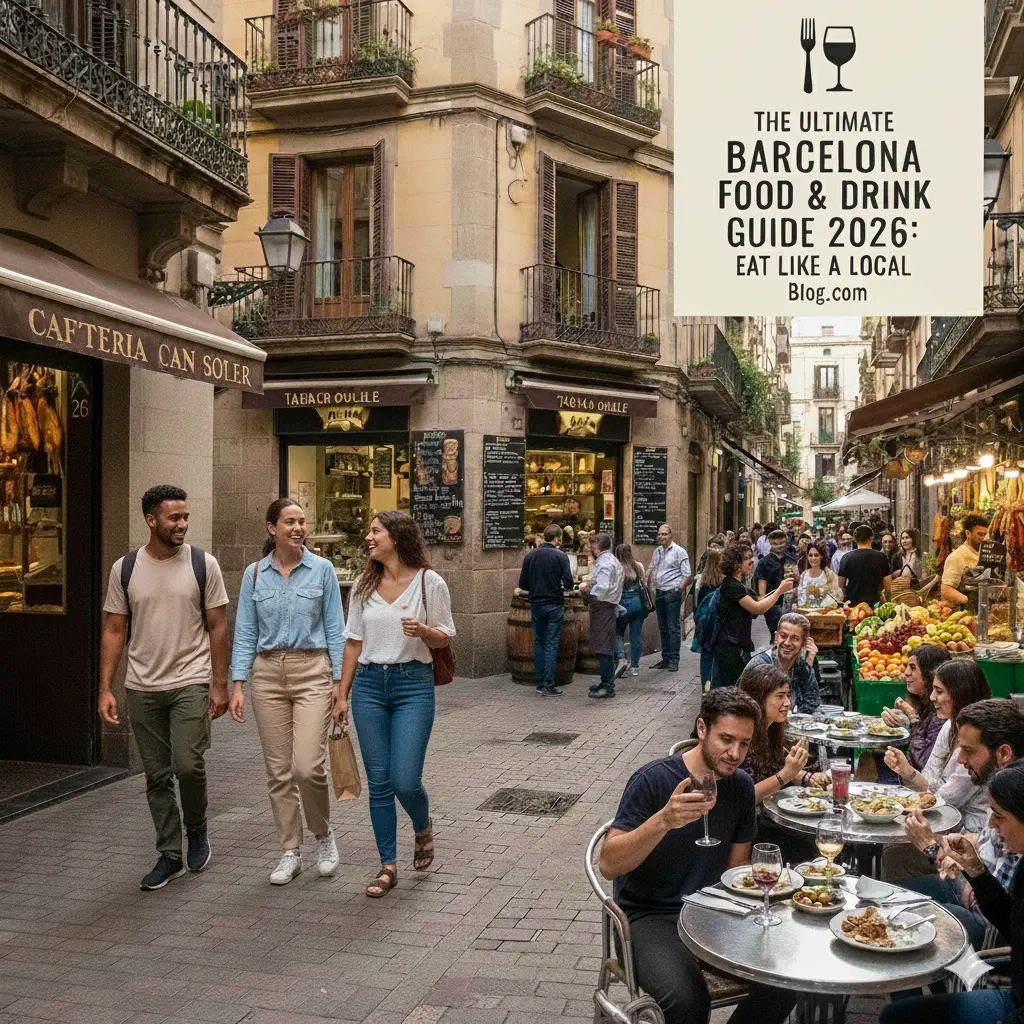
Ultimate Barcelona Food Guide: Authentic Dining in 2026
Barcelona is a city that communicates through its kitchens. For first-time travelers arriving in 2026, the food scene offers a sensory journey that is as much about history as it is about innovation. Catalan cuisine is unique; it is the culinary meeting point of the Pyrenees mountains and the Mediterranean Sea, a concept locals fondly call Mar i Muntanya (Sea and Mountain).
In the past, the city’s food culture was strictly dictated by the seasons and the morning’s catch. Today, while those traditions remain the foundation, Barcelona has transformed into a global gastronomic capital where Michelin-starred innovation sits comfortably alongside century-old bodegas. As you prepare for your 2026 adventure, this guide will help you navigate the city like a true local, distinguishing between a simple tourist meal and an authentic Catalan feast.
The Evolution of the Barcelona Dining Scene
To eat well in Barcelona, you have to understand how much the city has changed. Before the 1992 Olympics, the city's seafront was largely industrial, and seafood dining was a humble affair in the narrow streets of Barceloneta. Today, the coast is lined with world-class eateries, and the city has refocused on "Km 0" cooking—a movement emphasizing ingredients sourced within 100 kilometers of the city.
What was once a city of "fixed menus" and simple stews has become a playground for experimental chefs. However, the most significant change for 2026 travelers is the return to "slow food." After years of rapid growth, the city has reclaimed its culinary roots. You will find that the best restaurants now proudly list the specific Catalan farms where their tomatoes, olive oils, and artisanal cheeses originated.
The Gateway to Flavor: Iconic Markets
The life of a Barcelona local revolves around the Mercat. While supermarkets exist, the heart of the community remains the neighborhood market.
Mercat de Sant Josep de la Boqueria
Commonly known as La Boqueria, this is the most famous market in the world.
- Past vs. Present: In the 19th century, this was a simple open-air meat market. Now, it is a vibrant cathedral of food. While it has become very popular, it still houses some of the city's best supply chains for fresh truffles, wild mushrooms, and Mediterranean fish.
- What to eat: Seek out El Quim de la Boqueria. Order the fried eggs with baby squid—a dish that has remained a staple for decades.
- Timings: Monday to Saturday, 8:00 AM – 8:00 PM. (Go before 10:00 AM for the freshest experience).
📍 Location: La Boqueria on Google Maps
Mercat de Sant Antoni
If you want a more local feel away from the main tourist trail, head to the Sant Antoni market.
- The Experience: Recently renovated to showcase its 19th-century iron structure, this market is where locals actually shop for their Sunday dinners.
- Insider Tip: On Sunday mornings, there is a famous second-hand book and stamp market outside, which perfectly complements a morning "vermut" (vermouth) at a nearby bar.
📍 Location: Mercat de Sant Antoni on Google Maps
The Ritual of Tapas and Pintxos
For many first-timers, "tapas" is synonymous with Spanish food. However, in Barcelona, the tradition is slightly more nuanced.
Understanding the Difference
- Tapas: These are small plates meant for sharing. In Catalonia, they are rarely free with a drink, but they are crafted with high-quality ingredients.
- Pintxos: Originating from the Basque Country but hugely popular in Barcelona (especially in the Poble-sec neighborhood), these are small snacks served on a piece of bread with a toothpick. You pay based on the number of toothpicks left on your plate.
Tapas Highlight: El Born and the Gothic Quarter
The narrow alleys of the Old City are home to some of the most historic tapas bars.
-
El Xampanyet: This family-run bar has been serving its own brand of sparkling cava and salty anchovies since 1929. The blue-tiled walls and marble counters haven't changed in generations.
- What to expect: It’s crowded and lively. Expect to stand while you enjoy their famous sausages and cider.
📍 Location: El Xampanyet on Google Maps
-
Bar del Pla: A perfect example of "New Barcelona" tapas. They take traditional recipes and give them a modern, clean twist.
- Cost Range: €25 - €40 per person.
📍 Location: Bar del Pla on Google Maps
Essential Catalan Dishes You Must Try
To truly understand the culture, you must look beyond the standard paella. Catalan cuisine has its own stars.
1. Pa amb Tomàquet (Bread with Tomato)
It sounds simple, but it is the cornerstone of every meal. It is toasted rustic bread rubbed with raw garlic and a specific type of "hanging" tomato (tomàquet de penjar), then drizzled with extra virgin olive oil and salt.
- The Ritual: Never settle for bread that has been pre-spread with tomato sauce. A real Catalan establishment will bring you the ingredients to do it yourself or do it fresh for you.
2. Escalivada
A smoky, cold salad made of roasted eggplant, red peppers, and onions. It’s often served with anchovies on top and is the perfect accompaniment to grilled meats.
3. Calçots (Seasonal Highlight: Jan - March)
If you are visiting in early 2026, you might witness a Calçotada.
- What it is: These are long, thick green onions charred over an open flame until the outer layer is black. You peel away the charred skin and dip the tender white part into a rich, nutty Romesco sauce.
- The Experience: It’s messy, traditional, and usually involves wearing a large bib.
4. Crema Catalana
The Catalan version of Crème Brûlée, flavored with cinnamon and lemon zest rather than vanilla. It is a staple in almost every traditional restaurant.
Neighborhood Dining Guides
Each "barrio" in Barcelona has its own culinary personality.
Barceloneta: For Seafood Lovers
This was once the fishermen’s quarter. Today, it remains the place for the best Mediterranean catches.
-
Can Solé: Founded in 1903, it has survived two world wars and a civil war, yet the quality of its "Arroz Caldoso" (soupy rice) remains legendary.
- Timings: 1:00 PM – 4:00 PM, 8:00 PM – 11:00 PM.
📍 Location: Can Solé on Google Maps
-
La Cova Fumada: The birthplace of the "Bomba"—a potato and meat croquette with spicy sauce. It’s a hole-in-the-wall with no sign, but the line outside tells you everything you need to know.
📍 Location: La Cova Fumada on Google Maps
Gràcia: The Local Vibe
Gràcia feels like a separate village within the city. Its plazas are perfect for a late-afternoon vermouth.
-
La Pubilla: Located right across from a local market, this spot is famous for its "Menu del Día."
- Cost: Around €18 - €22 for a three-course lunch.
📍 Location: La Pubilla on Google Maps
Eixample: Modern Innovation
This is where you’ll find the more upscale, experimental side of 2026 Barcelona.
-
Disfrutar: Currently one of the top restaurants in the world. It’s expensive and requires booking months in advance, but it represents the pinnacle of modern Catalan culinary art.
📍 Location: Disfrutar on Google Maps
The Sweet Side of the City
Barcelona has a long-standing love affair with chocolate and pastries.
Carrer de Petritxol
This narrow street in the Gothic Quarter has been the city's chocolate hub since the 17th century.
-
Granja La Pallaresa: This is where you go for Suís—thick, dark hot chocolate topped with a mountain of fresh whipped cream, served with churros or melindros (ladyfingers).
- Insider Tip: Avoid the churros at the beach; the ones in these historic "granjas" are the real deal.
📍 Location: Granja La Pallaresa on Google Maps
Modern Bakeries
In 2026, you will notice a surge in "New Wave" bakeries like Hofmann Pastisseria. Their croissants (especially the mascarpone-filled ones) have won numerous awards.
📍 Location: Hofmann Pastisseria on Google Maps
The "Vermut" Culture
In Barcelona, "fer el vermut" (doing the vermouth) isn't just about the drink; it’s a social event.
-
The Ritual: Usually held on weekends around 12:30 PM before lunch. It involves drinking local vermouth on ice with an olive and an orange slice, accompanied by tinned seafood (cockles, mussels) and potato chips with "Espinaler" sauce (a spicy vinegar-based sauce).
-
Where to go: Quimet & Quimet in Poble-sec is a standing-room-only bar that is an absolute must-visit for this experience.
📍 Location: Quimet & Quimet on Google Maps
Practical Tips for Your 2026 Food Tour
1. Dining Times
This is the most common mistake for first-timers.
- Lunch: 1:30 PM – 3:30 PM.
- Dinner: 8:30 PM – 11:00 PM.
- If you try to eat dinner at 6:00 PM, you will likely find only tourist-traps open. Locals eat late, and the atmosphere only truly begins after 9:00 PM.
2. Tipping Etiquette
Tipping is not mandatory and is not as aggressive as in North America.
- In cafes or for tapas, rounding up to the nearest Euro is common.
- In sit-down restaurants, a 5-10% tip is appreciated if the service was exceptional, but it is never expected.
3. Tap Water
The tap water in Barcelona is safe to drink, but it has a very high mineral content and a distinct taste that many visitors (and locals) find unpleasant. Most people prefer bottled or filtered water in restaurants.
4. Staying Aware
While Barcelona is a friendly city, its most popular dining areas can be busy. Keep your bag on your lap or between your feet while dining on terraces, rather than hanging it on the back of your chair. This small habit ensures your meal remains uninterrupted and pleasant.
5. Booking in Advance
By 2026, the best restaurants in the city will almost exclusively use online booking systems. For popular spots like Tickets (now Teatro) or Can Paixano, try to book at least 2-3 weeks before your arrival.
Summary of Food Highlights for 2026
| Experience | Best Neighborhood | What to Order |
|---|---|---|
| Traditional Tapas | El Born / Gothic | Pa amb Tomàquet, Anchovies |
| Seafood / Rice | Barceloneta | Paella, Arroz Negro |
| Local Market | Sant Antoni | Fresh Oysters, Vermut |
| Modernist Dining | Eixample | Tasting Menus |
| Sweet Treats | Carrer de Petritxol | Hot Chocolate & Churros |
Conclusion: A City That Feeds the Soul
As you wander through the streets of Barcelona in 2026, let your nose guide you. Follow the scent of roasting peppers in the Gothic Quarter, the salty breeze of grilled sardines in Barceloneta, and the sweet aroma of caramelized sugar in a neighborhood bakery.
Barcelona’s food is more than just sustenance; it is a celebration of the landscape and the people. By respecting the local dining hours and venturing into the neighborhood markets, you won't just be eating—you’ll be participating in a thousand-year-old tradition.
Enjoy your journey through the flavors of Catalonia. Bon Profit! (Enjoy your meal!)
Nearby Experiences to Complement Your Food Tour
📍 Picasso Museum: Located in El Born, perfect for a walk after a heavy tapas lunch. Picasso Museum on Google Maps
📍 Santa Maria del Mar: A stunning Gothic church in El Born, just steps away from many of the bars mentioned. Santa Maria del Mar on Google Maps
📍 Barcelona Aquarium: If you are dining in Barceloneta, the aquarium is a great family-friendly stop nearby. Barcelona Aquarium on Google Maps