
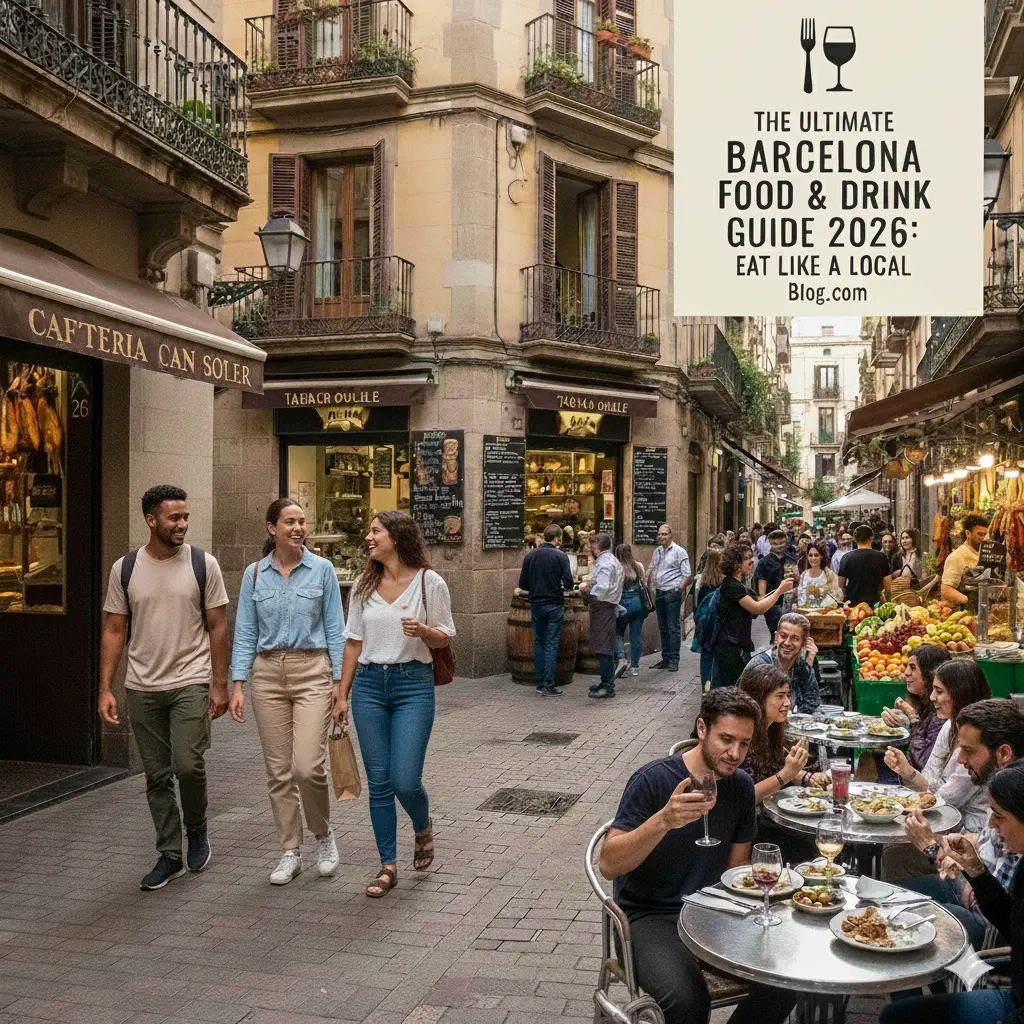
The Ultimate Barcelona Food & Drink Guide 2026: Eat Like a Local
If architecture is the face of Barcelona, food is its soul. In this city, eating isn't just a biological necessity; it is a social sport, a history lesson, and a daily religion all rolled into one. From the salty crunch of a cristal bread rubbed with vine-ripened tomato to the complex, briny depths of a seafood Fideuà, Barcelona offers a culinary landscape that can be overwhelming for a first-time visitor.
You are visiting in 2026, a time when the city’s gastronomic scene has matured into a perfect blend of respect for tradition and sustainable, modern innovation. The culinary bar here is incredibly high, but with over 10,000 restaurants, the risk of falling into a tourist trap is real. We have all seen them: the places on the main strip with laminated menus displaying photos of neon-yellow paella.
How do you avoid the frozen food and find the places where the locals actually shout, laugh, and eat? This comprehensive guide is your menu. We have broken down everything—from the specific dishes you must order to the exact stools you should sit on. Loosen your belt; we are going in.
1. The Art of Tapas: Where & What to Eat
First, a small correction: Tapas are historically from the south of Spain (Andalusia), not Catalonia. However, Barcelona has adopted the culture and refined it into something unique. Here, it is less about "free snacks with a drink" and more about high-quality small plates (platillos) meant to be shared. The dining style is communal; you order 3-4 dishes per person for the middle of the table and fight over the last piece.
The "Must-Order" Tapas List
- La Bomba (The Bomb): A true Barcelona invention born in the seaside neighborhood of Barceloneta. It is a large, deep-fried potato ball filled with spiced meat. It is traditionally served topped with two sauces: a white garlic aioli (representing the fuse) and a spicy red salsa brava (representing the explosion). It was inspired by the anarchists' bombs of the early 20th century—explosive flavor indeed!
- Patatas Bravas: You might think you know fries, but these are different. Chunky, double-fried potatoes served with a secret spicy sauce (salsa brava) and sometimes a garlic foam. Every bar claims to have the "best" recipe, and locals will argue passionately about who is right.
- Gambas al Ajillo: A sizzling clay dish of shrimp drowning in high-quality olive oil, garlic, and dried chili peppers. The oil itself becomes a dipping sauce for your bread once the shrimp are gone.
- Pimientos de Padrón: Small, blistered green peppers sprinkled with coarse sea salt. The saying goes, "Some are hot, some are not." It is a game of Russian roulette with vegetables—most are mild and nutty, but every tenth pepper packs a spicy punch.
- Pan con Tomate (Pa amb Tomàquet): This is the religion of Catalonia. It is not just bread with tomato paste. It is toasted Coca or Cristal bread, rubbed vigorously with a raw garlic clove, then rubbed with a specific variety of hanging tomato (tomàquet de penjar), drizzled with olive oil and salted. Never use a knife; the tomato is your brush.
The Best Tapas Bars
Ciutat Comtal (Ciudad Condal) The classic choice near Plaça Catalunya. It is bustling, loud, and the long wooden counter is piled high with fresh seafood and montaditos. There is always a line, but don't let that deter you; it moves fast, and watching the waiters orchestrate the chaos is part of the fun.
- Order: The fried camembert with berry jam and the razor clams (navajas), which are grilled simply with parsley and garlic.
- 📍 View on Google Maps
El Xampanyet Located in the trendy El Born district, this place is legendary. With its blue-tiled walls and marble tables, it feels frozen in time. It is chaotic and incredibly friendly. You drink their house sparkling wine (cava) from small, wide bowls rather than flutes, which encourages quick sipping and conviviality.
- Order: The house-cured anchovies (they are famous for them) and a bottle of their house cava. Be prepared to stand!
- 📍 View on Google Maps
Bar Cañete For a more upscale, sit-down experience off Las Ramblas. It feels like a culinary theater where the chefs are the actors and you are the audience. The service is impeccable, old-school, and sharp. You absolutely must book this in advance.
- Order: The lobster croquettes, which are creamy and rich, and the fried green beans.
- 📍 View on Google Maps
2. The Truth About Paella: Best Restaurants
Here is the golden rule: Never eat Paella on Las Ramblas. If there is a sandwich board outside with photos of the food, keep walking. Also, a crucial cultural tip: locals eat paella for lunch (Thursday is the traditional day), not dinner. It is considered too heavy for the evening digestion.
Paella vs. Fideuà
While you are here, you must try Fideuà. It is the Catalan cousin of Paella, invented by fishermen. Instead of rice, it uses short, thin noodles toasted in the pan. It absorbs the seafood stock beautifully and is often served with a dollop of garlic aioli on the side to mix in.
Where to Get the Real Deal
7 Portes (Set Portes) An institution open since 1836. Picasso, Dalí, and Hemingway all ate here. The servers wear white jackets, the piano plays in the background, and the vibe is old-school elegance. It is one of the few places where the history matches the quality of the food.
- Best for: The "Parellada" Paella. Known as the "rich man's paella," all the seafood is peeled so you don't have to get your hands dirty.
- 📍 View on Google Maps
Can Solé Located in Barceloneta, the historic fishermen’s district. It feels like stepping into a grandmother’s dining room—if your grandmother was a master chef. The walls are covered in photos of celebrities, and the kitchen produces some of the deepest, richest seafood stocks in the city.
- Best for: Lobster rice (Arroz con Bogavante). It is soupy, intense, and unforgettable.
- 📍 View on Google Maps
Martinez Perched high on Montjuïc hill. The view of the commercial port and the city skyline is unmatched. It is pricey, but you are paying for the setting and excellent rice dishes. It is the perfect spot for a sunny, lazy lunch that turns into evening drinks.
- Best for: The "Arroz del Señorito" (another peeled seafood rice) with a view that will make your Instagram followers jealous.
- 📍 View on Google Maps
3. Catalan Cuisine Explained: Beyond Tapas
Catalan food is distinct from the rest of Spain. It is defined by "Mar i Muntanya" (Sea and Mountain)—the concept of mixing meat and seafood in one dish, like chicken with shrimp or meatballs with cuttlefish. It loves contrasts: sweet and savory, honey and vinegar, fruit and meat.
Key Dishes to Try
- Escalivada: A simple yet sublime starter of smoky roasted vegetables (usually eggplant, red peppers, and onions). They are roasted until tender, peeled, and served cold with high-quality olive oil and garlic.
- Botifarra amb Mongetes: The ultimate Catalan comfort food. It consists of a grilled pork sausage (botifarra) served with sautéed white beans (mongetes). It is humble, hearty, and delicious.
- Esqueixada: A refreshing salad made of shredded raw salt cod, tomatoes, onions, and black olives. It is often described as the "Catalan Ceviche" and is perfect for hot summer days.
- Crema Catalana: Do not call it Crème Brûlée! Catalans will tell you they invented it first. It is a custard dessert flavored with lemon zest and cinnamon, finished with a layer of burnt sugar on top.
Best Restaurants for Authentic Catalan Food
Can Culleretes The oldest restaurant in Barcelona (dating back to 1786) and the second oldest in Spain. It is affordable, hearty, and steeped in history. The walls are lined with murals, and the menu is a time capsule of traditional cooking.
El Glop Famous for their charcoal-grilled meats and traditional atmosphere. If you visit between January and March, this is the place to try a Calçotada—a messy feast of charred green onions dipped in romesco sauce.
4. Best Food Markets: The Belly of the City
Markets in Barcelona are community centers, not just grocery stores. While some are touristy, others remain local strongholds where grandmothers haggle over the price of fish.
La Boqueria Yes, it is famous. Yes, it is crowded. But it is still spectacular. The colors of the fruit, the hanging hams, and the fresh seafood are a sensory overload.
- Pro Tip: Don't buy from the first stalls near the entrance; they are the most expensive ("the lazy tax"). Walk deeper into the market for better prices. Sit at El Quim de la Boqueria for breakfast and order baby squid with fried eggs.
- 📍 View on Google Maps
Mercat de Santa Caterina Recognizable by its colorful wavy ceramic roof. This is where the locals in the El Born district shop. It’s cleaner, calmer, and more spacious than Boqueria. The produce is exceptional, and the architecture is a stunning example of modern renovation. The restaurant inside, Cuines Santa Caterina, serves excellent market-fresh food.
Mercat de Sant Antoni Recently renovated, this massive iron-and-steel structure is beautiful. It is divided into three parts: food, clothes, and on Sundays, a famous collector's book and coin market. It feels truly local and is a great place to see real Barcelona life in the Eixample district.
5. Bakeries, Cafes & The "Xuixo"
Barcelona has a thriving specialty coffee scene, but don't ignore the traditional granjas (dairy bars) that have been serving pastries for centuries.
Hofmann Pastisseria Located in El Born, this bakery has won "Best Croissant in Spain" multiple times. Their mascarpone-filled croissant is legendary—the glaze cracks, the pastry is buttery, and the creamy filling is not too sweet. It is worth every calorie.
Granja M. Viader This historic cafe near Las Ramblas is the birthplace of Cacaolat (the famous Catalan bottled chocolate milk). Go here for Churros con Chocolate or Melindros (soft ladyfingers) in a setting that hasn't changed in 100 years. The waiters still wear bow ties, and the marble tables are worn smooth by generations of elbows.
Nomad Coffee If you are a coffee snob, this is your temple. Hidden in a passage, Nomad roasts their own beans and treats coffee like fine wine. There is no sugar, no wifi, and no food—just exceptional coffee served with scientific precision.
-
Try This: A Xuixo (pronounced shoo-shoo). A deep-fried pastry cylinder filled with crema catalana and covered in sugar. Originating from Girona, it is the ultimate Catalan breakfast indulgence.
6. Cheap Eats: Delicious & Budget Friendly
You don't need a Michelin star to eat well here. Some of the best food in the city costs less than €10.
La Champagneria (Can Paixano) This place is chaos in the best way possible. It is standing room only, noisy, and packed. You order cheap house Cava (starting at €1.50) and delicious grilled sandwiches filled with sausage, cheese, or pork loin. You will leave a bit tipsy, very full, and happy for under €10.
Conesa Entrepans Located on Plaça Sant Jaume, the political heart of the city. They have been making grilled sandwiches since 1951. They are famous for their signature sauces and for offering nearly their entire menu in gluten-free bread, making it a haven for celiacs.
Bacoa Sometimes you just need a burger. Bacoa started as a tiny grill and is now a local favorite chain. They use high-quality organic beef and homemade sauces. It is fast food, but done with the "slow food" philosophy.
7. Vegetarian & Vegan Barcelona
Barcelona declared itself the first "Veg-Friendly City" in the world in 2016. The options here go far beyond a simple salad; the city embraces plant-based creativity.
Teresa Carles One of the pioneers of vegetarian fine dining in Barcelona. It feels upscale and stylish, debunking the myth that vegetarian food is boring. The food is robust, flavorful, and draws heavily on traditional Catalan recipes adapted for plant-based diets.
Flax & Kale A "flexitarian" paradise with a stunning rooftop terrace. It is famous for its healthy pizzas, plant-based tacos, and cold-pressed juices. The interior is beautiful, making it a very Instagrammable spot for brunch.
Rasoterra A vegetarian bistro in the Gothic Quarter offering a sophisticated tasting menu. They focus on "Slow Food" principles, using local, seasonal, and often forgotten vegetables. It is a place for serious foodies.
8. Best Rooftop Bars
Barcelona looks best from above. While most hotel rooftops are open to the public, be prepared to pay a premium for drinks in exchange for the view.
Lamaro Hotel Barcelona Directly facing the Cathedral. No reservation is usually needed for the lower terrace; just take the elevator up. Being eye-level with the Gothic spires while sipping a cocktail is a magical experience, especially when the church bells ring.
La Isabela at Hotel 1898 Located right on Las Ramblas. It offers a 360-degree view of the city, from Montjuïc to Tibidabo. The atmosphere is chic and relaxed. The tapas here are actually quite good, though pricey, making it a great spot for a sunset dinner.
Sky Bar at Grand Hotel Central This rooftop has an infinity pool that seems to drop off right into the Born district rooftops. It is one of the most stylish spots in the city. After 8:00 PM, it opens to non-guests for drinks with a view that is hard to beat.
9. Wine Bars & Bodegas
La Vinya del Senyor A tiny wine bar with a terrace facing the majestic Santa Maria del Mar basilica. The wine list is extensive, changing weekly. It is the perfect spot for a romantic evening—watching the world go by under the shadow of the church with a glass of Priorat red.
Bar Brutal The headquarters of the "Natural Wine" movement in Barcelona. If you like funky, unfiltered wines and adventurous food, this is your spot. The vibe is lively, loud, and full of wines you have never heard of but will likely love.
Bodega d'en Rafel An authentic, old-school neighborhood bodega in Sant Antoni. This is where locals go for a vermouth and a chat. There is no pretense, just wooden barrels, friendly staff, and affordable, honest drinks. It feels like the "real" Barcelona.
10. Local Drinks Explained: How to Order
- Vermut (Vermouth): This is more than a drink; it is a ritual. "La Hora del Vermut" is between 12:00 PM and 2:00 PM (before lunch). It is sweet red vermouth, usually poured from the barrel, served over ice with a slice of orange and an olive. It is almost always accompanied by a salty snack like chips or olives to balance the sweetness.
- Cava: Catalan sparkling wine. It is not "cheap champagne"; it is its own entity with a distinct flavor profile. 95% of Spain's Cava is produced in Catalonia. Drinking a glass with lunch is perfectly acceptable here.
- Clara (Radler): Beer mixed with lemon soda (usually Fanta Limón). It sounds strange to purists, but it is the ultimate thirst quencher on a hot July afternoon. It’s refreshing, low alcohol, and sweet.
- Carajillo: An espresso with a splash of brandy, rum, or whiskey. It’s a common way to end a heavy meal and kickstart the afternoon.
11. Party Places: Safe & Fun
Barcelona nightlife is intense—clubs often don't get busy until 2:00 AM and stay open until 6:00 AM. However, safety is a priority.
Sutton Club Upscale, dressy, and strictly managed. It attracts a slightly older, more sophisticated crowd than the rowdy beach clubs. If you want to dress up and dance to house music in a safe environment, this is a top choice.
Razzmatazz A massive industrial space in Poblenou with five different rooms playing different music genres (techno, indie, pop, etc.). It’s a labyrinth of sound. It is popular with students and music lovers. It’s gritty, loud, and legendary.
Safety Tip: The beach clubs (Opium, Pacha) are fun and famous, but they are also hotspots for pickpockets due to the high volume of tourists. Always keep your drink in your hand, don't leave bags unattended, and stick with your friends. If you want a safer, more local vibe, stick to the bars in Gràcia or Eixample.
12. Barcelona Food Tours: Compare the Top Experiences
If you are short on time or intimidated by the language barrier, a food tour is the best investment you can make. It's a crash course in culture.
1. The "Tapas & History" Walk
- What it is: A combination of a walking tour through the Gothic Quarter and stops at 3-4 classic tapas bars.
- Best for: First-timers who want context with their calories. You learn about the Roman walls while eating Manchego cheese.
- Top Provider: Devour Tours. Their guides are storytellers who connect the food to the history of the city.
2. The Market Tour & Cooking Class
- What it is: You shop for fresh ingredients at La Boqueria with a chef, learning how to pick the best fish and produce. Then, you go to a private kitchen to learn how to cook Paella from scratch.
- Best for: Hands-on learners and couples. It’s a great way to take a skill home with you.
- Top Provider: Bcn Kitchen.
3. The Wine & Cava Day Trip
- What it is: A bus or train ride to the Penedès region (about 1 hour away) to visit vineyards and taste Cava right from the source.
- Best for: Wine lovers who want to escape the city bustle and see the beautiful Catalan countryside.
- Top Provider: Castlexperience.
4. The "Secret" Food Tour
- What it is: Focuses on a specific neighborhood (usually Barceloneta or Gràcia) and hits the "hole in the wall" spots that tourists usually walk right past.
- Best for: Travelers who want to feel like a local and avoid the polished tourist venues.
- Top Provider: Secret Food Tours.
Practical Dining Tips for 2026
- The Schedule: This is the hardest adjustment for travelers. Lunch is strictly 2:00 PM – 3:30 PM. Dinner is 9:00 PM – 10:30 PM. If you walk into a restaurant at 7:00 PM, the kitchen will likely be closed, or you will be dining alone in a room full of other confused tourists.
- Reservations: In 2026, the era of walk-ins is fading for popular spots. Use apps like TheFork or Google Maps to book at least 2-3 days in advance. For places like Bar Cañete or 7 Portes, book weeks ahead.
- Tipping: It is not mandatory or percentage-based like in the US. Service is included in the bill. However, leaving small change or rounding up to the nearest euro is common. For exceptional service in a sit-down restaurant, leaving 5-10% is considered generous and appreciative.
- Water: Locals generally drink bottled water at restaurants (agua con gas for sparkling, sin gas for still). Tap water is safe to drink, but it is highly chlorinated and doesn't taste great.
Barcelona is a city that invites you to linger. Don't rush your meals. Order another round of Cava, try the weird-looking seafood, and enjoy the rhythm of the table. In 2026, the food is better than ever—so eat up. Bon profit!