
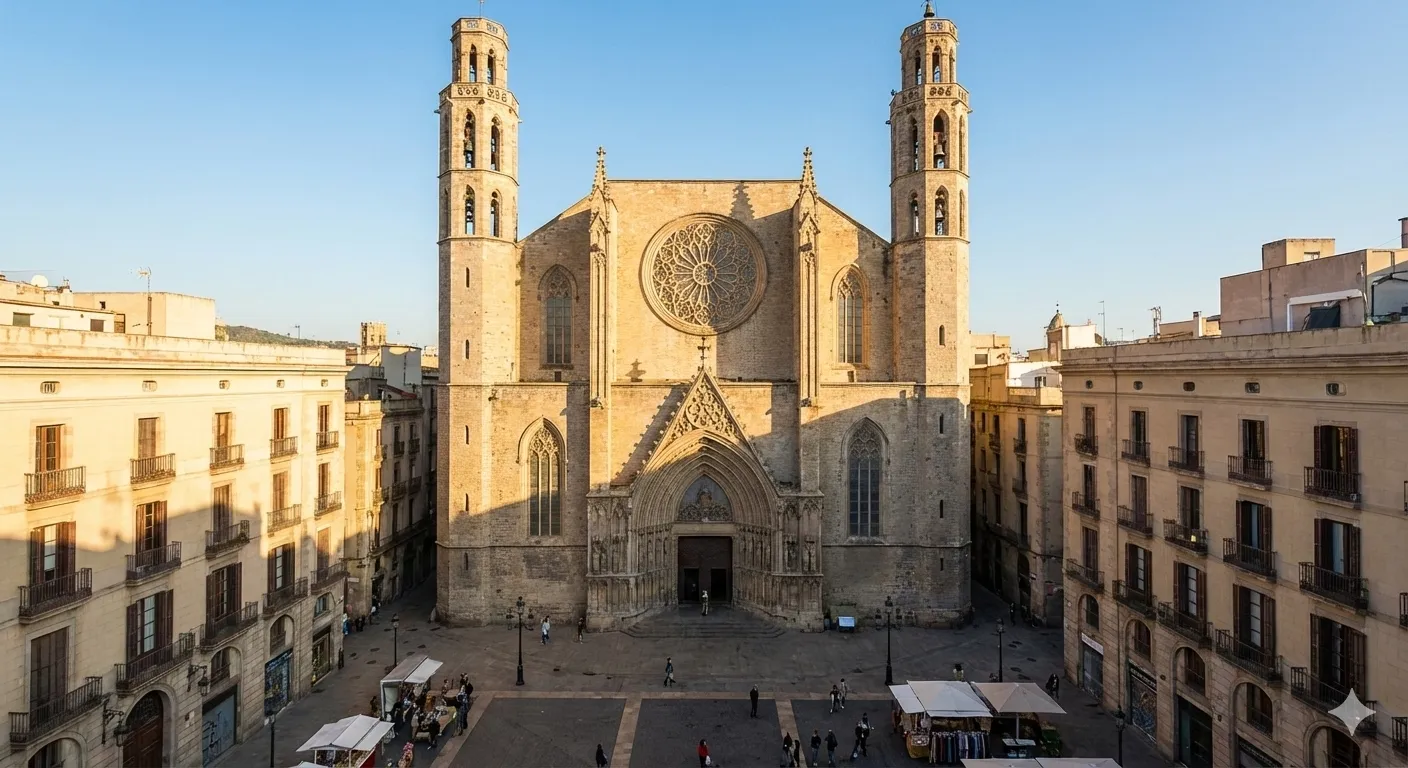
El Born: Barcelona's Medieval Heart, Reinvented
If the Gothic Quarter is Barcelona's postcard, El Born is the neighborhood locals actually spend their evenings in. Part of the wider Ribera district, it's a maze of narrow medieval streets around Carrer de Montcada that somehow holds two major museums, some of the city's best tapas bars, and a genuinely lived-in feel — all within a 15-minute walk.
I'd give El Born a half-day minimum, and honestly, a full day if you want to do it properly: museums in the morning, wandering and boutique-browsing in the afternoon, tapas at dusk.
A Neighborhood Built on Trade and Rebuilt on Culture
El Born takes its name from the Passeig del Born, once the site of medieval tournaments and public celebrations. For centuries it was Barcelona's commercial and mercantile heart — Carrer de Montcada, its most famous street, was lined with the palaces of the city's wealthiest merchant families, several of which still stand today.
The neighborhood fell into disrepair through much of the 20th century, and it's really only in the last few decades that it's been rediscovered — first by artists and independent designers drawn to the cheap rents in old palace courtyards, then by the rest of the city once the restaurants and boutiques followed. Today it's one of the most walkable, atmospheric parts of Barcelona, and one of the few where medieval architecture and contemporary culture sit genuinely side by side rather than one being staged for the other.
What to See and Do
Carrer de Montcada is the spine of the neighborhood — a narrow medieval street lined with five contiguous stone palaces, several of which now house museums:
Housed across five of those medieval palaces, this is the anchor of the neighborhood for most visitors — a deep look at Picasso's formative years rather than his famous Cubist period.
Literally next door to the Picasso Museum, in the former Palacio Cervelló. A deliberate contrast: Banksy, KAWS, and immersive digital installations inside a 16th-century palace.
Santa Maria del Mar, the "Cathedral of the Sea," is El Born's other unmissable landmark — a 14th-century Catalan Gothic basilica a short walk from Carrer de Montcada, with soaring columns and stained glass that's free to step inside and see.
Passeig del Born itself is worth a slow walk end to end — it's the neighborhood's main promenade, lined with bars and restaurants, and leads directly to the Born Centre de Cultura i Memòria, a former market building that now preserves excavated 18th-century streets underneath its floor.
Where to Eat and Drink
El Born punches well above its size for food and drink, and most of it is walkable from Carrer de Montcada:
- El Xampanyet — a legendary spot on Carrer de Montcada itself, open since 1929, known for cava and anchovies at the bar.
- Hofmann Pastisseria — widely considered one of the best bakeries in Spain; the mascarpone-filled croissant is the one to get.
- Tapeo Born — a more modern take on tapas, with glazed lamb ribs and inventive salads.
- Paradiso — a "speakeasy" cocktail bar hidden behind a pastrami shop, frequently ranked among the best bars in the world.
- Dr. Stravinsky — a cocktail bar in the heart of El Born with the feel of an old alchemist's lab.
- Gelaaati Di Marco — for gelato after a museum visit; the pistachio is the local favorite.
Shopping in El Born
El Born is the counterpoint to Passeig de Gràcia's luxury flagships — a neighborhood of independent designer boutiques, concept stores, and small artisan workshops rather than international chains. It's worth setting aside an unstructured hour just to wander the side streets off Carrer de Montcada and Passeig del Born; the best finds here aren't the ones you plan for.
Practical Information
Getting There: Metro L4 (yellow) to Jaume I is the most central stop, putting you a few minutes' walk from Carrer de Montcada. Barceloneta on L4 also works if you're combining El Born with the beach.
Best Time to Visit: Late morning for the museums (they get busy after lunch), then return in the early evening once the tapas bars fill up — El Born genuinely changes character between day and night.
How Much Time to Set Aside: Half a day covers the highlights. A full day lets you add both museums, a proper sit-down lunch, and unhurried wandering.
FAQ
What is El Born known for?
Medieval architecture along Carrer de Montcada, the Picasso Museum and Moco Museum (located next door to each other), Santa Maria del Mar basilica, and a dense concentration of independent boutiques and tapas bars.
Is El Born safe to visit?
Yes — it's one of the most visited neighborhoods in Barcelona, popular with both tourists and locals. Standard city precautions around bags and pockets in crowded areas apply, as they would anywhere.
How do I get to El Born?
Metro L4 to Jaume I is the most central stop. It's also an easy 10–15 minute walk from the Gothic Quarter or Barceloneta.
Is El Born walkable?
Very. It's a compact neighborhood, and the medieval street layout means almost everything worth seeing is within a 10-minute walk of Carrer de Montcada.
How much time should I spend in El Born?
Half a day for the highlights (one museum, Santa Maria del Mar, a wander down Passeig del Born); a full day if you want both museums plus a proper meal.
El Born rewards the traveler who's willing to put the map away for an hour. The best version of the neighborhood isn't the direct line between the Picasso Museum and Santa Maria del Mar — it's whatever's down the side street you weren't planning to take.