
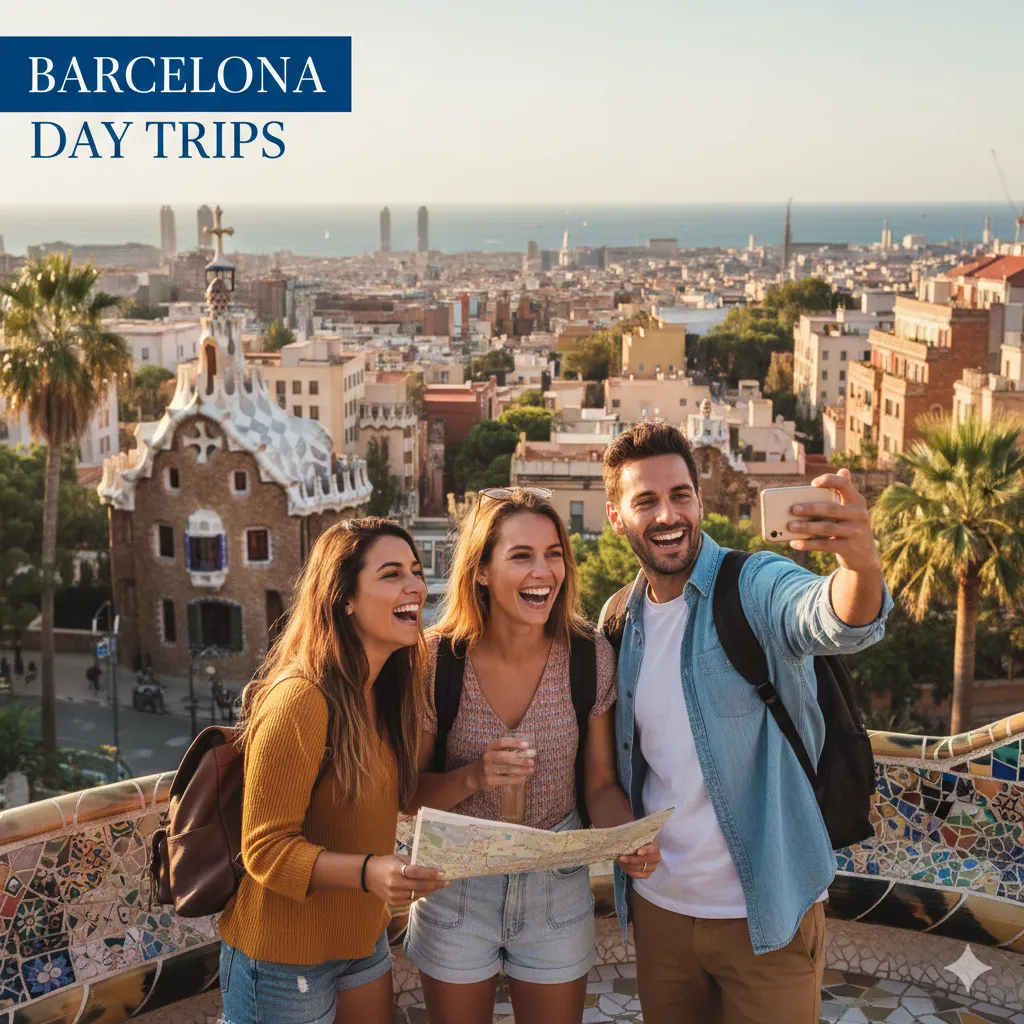
Exploring the Best Tours and Day Trips in Barcelona
Barcelona is a city that captivates you the moment you step onto its mosaic-tiled sidewalks. While the urban energy of Las Ramblas and the architectural wonder of the Eixample district are enough to keep anyone busy, the true magic of the region lies in the variety of tours and day trips in Barcelona that allow you to see the diversity of Catalonia. Whether you are looking for a deep dive into Gaudí's genius within the city limits or a scenic escape to the rugged Costa Brava, the options are endless. I recommend starting your journey with a mix of structured urban explorations and at least one venture into the surrounding countryside to truly appreciate the local culture.
In this guide, I will walk you through the most rewarding experiences, providing practical tips on transport, timing, and local gems that often go unnoticed.
Immersive City Tours: Seeing Barcelona Through a New Lens
Before heading out of town, you must experience the city itself through specialized lenses. The way people experience Barcelona has changed drastically over the last few decades.
1. The Gaudí and Modernisme Circuit
Years ago, visiting Gaudí’s masterpieces was a relatively informal affair. You could often walk right into the Sagrada Família with minimal wait. Today, it is a highly choreographed experience requiring advanced planning.
- What to See: I recommend a guided tour that covers the Sagrada Família, Park Güell, and the Passeig de Gràcia houses (Casa Batlló and La Pedrera).
- Then vs. Now: The Sagrada Família is now nearing completion, with the interior forest of columns fully realized, whereas 20 years ago, it felt much more like an open construction site.
- Insider Tip: Always book the first morning slot (usually 9:00 AM) to catch the sunlight streaming through the stained-glass windows at its most vibrant.
- Nearby Spot: After your Gaudí fix at Casa Batlló, walk over to El Nacional on Passeig de Gràcia. It’s a beautifully restored 19th-century industrial space with several bars and restaurants—a great place to spend time with a glass of cava and tapas.
2. The Gothic Quarter and Jewish Heritage Walk
The Barri Gòtic is the oldest part of the city. While it used to be a quiet residential area, it is now a bustling labyrinth of boutique shops and historic sites.
- The Experience: A walking tour here reveals Roman walls and the ancient synagogue in the Jewish Quarter (El Call). I recommend exploring the hidden Plaça de Sant Felip Neri, which still bears the scars of the Spanish Civil War.
- Timings: Evening walks (around 6:00 PM) are particularly atmospheric as the shadows lengthen against the stone walls.
- Location: Barcelona Cathedral
- Sweet Treat: Stop by Gelaaati Di Marco near the Plaça de Sant Jaume. Their artisanal gelato is some of the best in the city, using local ingredients like hazelnuts from Reus.
Top Day Trips and Excursions from Barcelona
If you have more than three days in the city, venturing out is essential. The Catalan landscape changes rapidly once you leave the metropolitan area.
3. Montserrat: The Holy Mountain
This is arguably the most popular day trip from Barcelona, and for good reason. Montserrat is a multi-peaked mountain range home to a Benedictine monastery.
- The Journey: I recommend taking the R5 train from Plaça d’Espanya and then the "Aeri" (cable car) or the "Cremallera" (cogwheel train) to the top. The cogwheel train provides a much more stable and scenic ascent compared to the old bus routes used decades ago.
- What to See: The Black Madonna (La Moreneta) and the boys' choir, Escolania de Montserrat, which is one of the oldest in Europe.
- Things to Keep in Mind: The choir usually performs at 1:00 PM (Monday–Friday). It is a spiritual and acoustic marvel.
- Cost Range: A round-trip ticket including transport and the funiculars is roughly €35–€45.
- Location: Montserrat Monastery
- Local Food: Look for vendors outside the monastery selling Mel i Mató, a traditional fresh cheese served with local honey. It’s the quintessential Montserrat snack.
4. Tibidabo: The Magic Mountain Day Trip
While technically within the city limits, a Tibidabo day trip feels like a complete excursion away from the urban grid. It is the highest point in Barcelona and offers a mix of spiritual sites and vintage fun.
- The Journey: I recommend taking the L7 train to Av. Tibidabo and then the modern "Cuca de Llum" funicular.
- Then vs. Now: Historically, the "Tramvia Blau" (Blue Tram) was the primary way to reach the funicular, but it is currently under renovation. The new funicular is much faster and offers floor-to-ceiling glass windows with incredible views.
- What to See: The Temple Expiatori del Sagrat Cor, a church topped by a massive statue of Jesus, and the Tibidabo Amusement Park, which is one of the oldest in the world.
- Insider Tip: You don't have to buy a full amusement park ticket if you just want to see the views. The "Panoramic Area" allows you to walk around and pay per ride for the iconic Ferris wheel or the historic 1928 airplane ride.
- Nearby Dining: For a memorable meal with a view, visit Mirablau at the base of the funicular. It transitions from a classy cafe to a vibrant restobar at night.
- Location: Tibidabo Summit
5. Girona and the Dalí Museum in Figueres
Combining these two is a long but rewarding day. Girona is a medieval city with one of the best-preserved Jewish quarters in Europe, while Figueres is the birthplace of surrealist master Salvador Dalí.
- Then vs. Now: Girona was once a hidden gem, but since its appearance in Game of Thrones, it has become a major cultural destination. Figueres has also modernized its museum experience with immersive light and jewelry exhibits.
- I Recommend: Using the AVE (high-speed train) to get to Girona in just 38 minutes. It is much faster and more comfortable than the regional trains or driving.
- Girona Food: After walking the city walls, head to La Fabrica for a world-class coffee. For dessert, you must visit Rocambolesc, the whimsical ice cream shop by the Roca brothers.
- Figueres Location: Dalí Theatre-Museum
6. Sitges: The Mediterranean Jewel
For a more relaxed pace, Sitges is a coastal town just 35 minutes south of Barcelona.
- The Vibe: It is known for its beautiful beaches, vibrant nightlife, and the iconic San Bartolomé church overlooking the sea.
- When to Visit: Summer is great for beach lovers, but I recommend visiting in October during the Sitges Film Festival or in February for the Carnival for a unique cultural experience.
- Transport: Take the R2 Sud train from Passeig de Gràcia or Sants station.
- Dining: Enjoy a "Fideuà" (a pasta version of paella) at one of the seaside restaurants. I recommend Fragata located right under the church for a high-quality Mediterranean lunch with a view.
- Location: Sitges Seafront
7. Costa Brava and Tossa de Mar
The "Rugged Coast" starts about an hour north of Barcelona. While many areas are heavily developed, Tossa de Mar remains a postcard-perfect village.
- The Highlight: The Vila Vella (Old Town), which is the only fortified medieval town still standing on the Catalan coast.
- What to Do: I recommend a "Camí de Ronda" walk—the coastal paths that used to be used by smugglers and customs officers. Today, they are beautiful hiking trails offering turquoise water views.
- Things to Keep in Mind: This trip is best done by car or a guided small-group tour, as train access to the actual coast is limited.
- Location: Tossa de Mar Castle
Specialized Tours: Gastronomy and Wine
You cannot visit Catalonia without engaging with its world-class culinary scene. Food tours have evolved from simple market walks to deep-dive sessions with chefs.
8. Tapas and Wine Tours in Poble Sec and El Born
Instead of eating at the tourist-heavy restaurants on Las Ramblas, I recommend a tapas tour in the Poble Sec neighborhood, specifically on Carrer de Blai.
- The Experience: This street is famous for "Pinchos"—small snacks on bread held together with a toothpick. You walk from bar to bar, picking what you like.
- Then vs. Now: A decade ago, this was a quiet residential street; now it’s a vibrant culinary artery.
- Drink This: Try a "Vermut" (vermouth), which is the traditional aperitif in Barcelona, usually served with an olive and a slice of orange.
9. Penedès Wine Region (Cava Tours)
Just 45 minutes from the city is the Penedès region, the home of Cava (Spanish sparkling wine).
- I Recommend: A tour of the Sant Sadurní d'Anoia area. Wineries like Codorníu or Freixenet offer tours of their vast underground cellars.
- New Trend: Many smaller, organic wineries now offer "brunch among the vines" tours, which are much more intimate than the large-scale industrial tours.
- Seasonal Tip: Visit in September during the grape harvest for the most activity and beautiful vineyard colors.
Practical Tips for Your Tours and Day Trips
To ensure your experience is as smooth as possible, keep these logistical points in mind.
Transport Strategy
- Public Transport: Barcelona’s Renfe and FGC train networks are excellent for trips to Sitges, Montserrat, and Girona.
- Car Rentals: I only recommend renting a car if you plan to explore the deeper parts of the Costa Brava or the Pyrenees. Within the city, a car is more of a hindrance due to traffic and parking restrictions.
- AVE Trains: For Girona or Tarragona, always check the high-speed AVE or AVLO schedules. They are significantly faster and often very affordable if booked a week in advance.
Timing and Seasonality
- Peak Season (June–August): Expect long lines and heat. I recommend booking all tours and day trips in Barcelona at least two weeks in advance during these months.
- Shoulder Season (April–May & September–October): This is the best time to visit. The weather is perfect for walking tours and coastal hikes.
- Winter (November–March): While too cold for the beach, it is the perfect time for museum-heavy trips to Figueres or food tours focused on seasonal "Calçots" (Catalan spring onions).
Cultural Etiquette
- Dining Hours: Remember that locals eat lunch at 2:00 PM and dinner at 9:00 PM. If you show up for a tour-led dinner at 6:00 PM, you will likely be in an empty restaurant.
- Respecting the Locals: When visiting smaller villages like Tossa de Mar or Girona, keep noise levels respectful, especially in the narrow medieval streets where sound echoes.
- Mindful Exploring: While the city is very safe, always be mindful of your surroundings in crowded tourist areas like the entrance to the Sagrada Família or on the Metro.
Things to Keep in Mind Before You Go
- Advanced Booking: For the Dalí Museum and Sagrada Família, "walk-in" tickets are virtually non-existent now.
- Sunday Closures: Most shops are closed on Sundays in Barcelona, though restaurants and museums remain open. Plan your shopping tours for Saturdays.
- Language: While Spanish (Castilian) is spoken by everyone, the local language is Catalan. Learning a few words like "Bon dia" (Good day) or "Gràcies" (Thank you) goes a long way with the locals.
FAQ
What's the most popular day trip from Barcelona?
Montserrat, and for good reason — the multi-peaked mountain range with its Benedictine monastery, the Black Madonna, and the Escolania de Montserrat boys' choir (one of the oldest in Europe) makes it the single most popular excursion from the city.
How do I get to Montserrat from Barcelona?
Take the R5 train from Plaça d'Espanya, then either the "Aeri" cable car or the "Cremallera" cogwheel train up to the monastery. A round-trip ticket covering transport and the funiculars runs roughly €35–€45.
Is Tibidabo worth a full day, or can I see it faster?
You don't need a full day or even a full amusement park ticket. Tibidabo is technically within city limits, and the "Panoramic Area" lets you walk around and pay per ride for highlights like the Ferris wheel and the historic 1928 airplane ride if you just want the views.
Can I combine Girona and Figueres in one day trip?
Yes — it's a long but rewarding combination. Take the AVE high-speed train to Girona (just 38 minutes), explore the medieval city and its Jewish quarter, then continue to Figueres for the Dalí Theatre-Museum.
When's the best time for Barcelona day trips?
Shoulder season — April–May and September–October — offers the best weather for walking tours and coastal hikes. If you're visiting during peak season (June–August), book your day trips at least two weeks in advance.
Why a Day Trip Changes Your Perspective
The beauty of Barcelona is its location. Within an hour, you can go from a high-tech cosmopolitan city to a medieval village where time seems to have stopped. I recommend not over-scheduling your trip—pick one or two major day trips and leave room for the city's spontaneous charm.
Whether you are listening to the echoes of Gregorian chants in Montserrat or tasting the salt in the air in Sitges, these tours and day trips in Barcelona provide the context that makes Catalonia so unique. It is a region of contrasts, and the best way to see it is to move through it, one train ride or walking tour at a time.
Summary of Nearby Spots to Check Out:
- For Coffee: Nomad Coffee (El Born).
- For Views: Bunkers del Carmel (Best sunset in the city).
- For Art: Picasso Museum (Carrer de Montcada).
Barcelona and its surroundings are waiting to be explored. By choosing the right mix of tours and ventures, your Mediterranean holiday will be as rich and varied as the city's famous mosaics. Enjoy your adventure!