
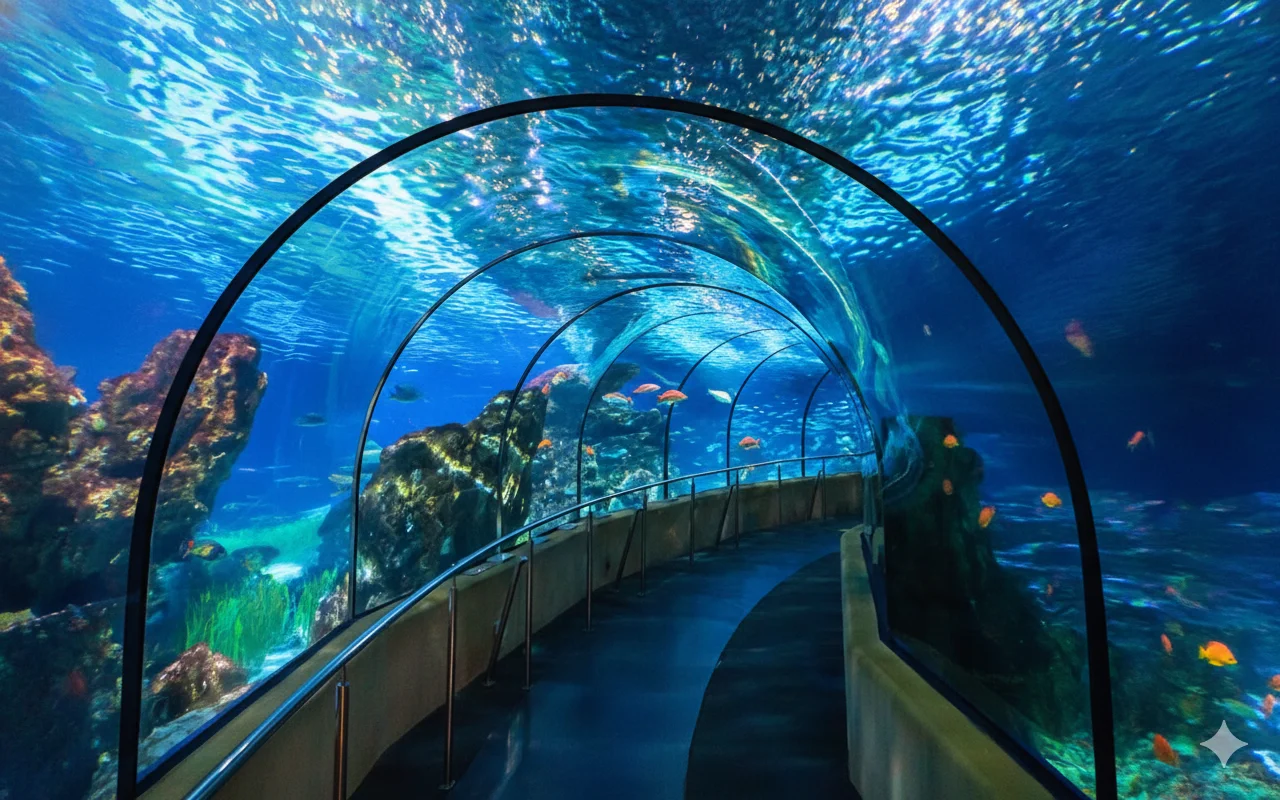
Discover Marine Life at the Famous Barcelona Aquarium in Port Vell
If you are looking for a break from the sun-drenched streets of the Gothic Quarter, I recommend this place as a refreshing escape into the deep blue. The Barcelona Aquarium (L'Aquàrium de Barcelona) is not just a standard tourist attraction; it is the world’s most important center for Mediterranean marine life. Situated perfectly at the end of the wooden Moll d'Espanya bridge in Port Vell, it offers an immersive look at thousands of species that call our oceans home.
Whether you are traveling with curious children or you are a couple seeking a serene afternoon, the aquarium provides a fascinating journey through diverse underwater ecosystems. In this guide, I will walk you through the highlights of the experience, how the facility has evolved over the years, and the best local spots to grab a bite after your visit.
The Evolution of the Deep: Past vs. Present
To appreciate the current state of the aquarium, it is helpful to understand its journey. When L'Aquàrium de Barcelona first opened its doors in 1995, it was a pioneer in using large-scale acrylic tunnels to bring humans closer to sea life.
How it Used to Be
In its early years, the focus was primarily on display and wonder. The tanks were impressive, but the educational technology was limited to physical plaques. While the "wow factor" was high, the deeper scientific context was often reserved for researchers behind the scenes. The Mediterranean tanks were the mainstay, but the variety of tropical species was much smaller than what you see today.
What it is Now
Today, the aquarium has transformed into a high-tech conservation hub. You can find it at Moll d'Espanya, del Port Vell, s/n, 08039 Barcelona. The present-day experience includes:
- Interactive Learning: Digital touchpoints and immersive displays that explain climate change and its impact on the Mediterranean.
- Expanded Tropical Zones: A much larger focus on the Great Barrier Reef and Red Sea ecosystems.
- Conservation Initiatives: The aquarium now actively participates in breeding programs and the rescue of endangered sea turtles.
- Modern Amenities: Enhanced accessibility for strollers and wheelchairs, along with a significantly upgraded cafeteria and shop area.
The Oceanarium: Walking Through the Shark Tunnel
The undisputed crown jewel of the Barcelona Aquarium is the Oceanarium. This is a great spot to spend time on because it offers a 360-degree view of the most imposing species in the ocean.
- The Transparent Tunnel: Stretching 80 meters in length, this glass walkway passes through a massive tank containing nearly 4 million liters of water. I suggest you take your time here; the moving walkway is slow for a reason, allowing you to gaze up at sand tiger sharks, bull sharks, and massive stingrays as they glide directly over your head.
- The Species: Look out for the Sunfish (Mola mola), which is a rare sight in many aquariums due to its size and unique needs. The interaction between the smaller pilot fish and the larger predators provides a real-time lesson in marine biology.
- The Atmosphere: The lighting is dim, and the water is a deep, tranquil blue, making this one of the most peaceful spots in all of Barcelona, provided you visit outside of peak school-group hours.
Exploring the Mediterranean and Tropical Tanks
While the sharks get the most attention, the smaller themed tanks are where the real diversity of life shines.
The Mediterranean Ecosystems
Since the aquarium is located in Catalonia, it places a heavy emphasis on local waters. You will see recreations of the Costa Brava’s rocky shores and the seagrass meadows of the Balearic Islands.
- Species to watch: Look for the elusive moray eels hiding in rock crevices and the vibrant red coral that is so iconic to Mediterranean history.
- Insider Tip: Pay attention to the "Invertebrates" section. The way octopuses camouflage themselves against the rocks is absolutely mesmerizing.
The Tropical Themed Tanks
This section is a riot of color. From the Caribbean to the Indo-Pacific, these tanks represent the "rainforests of the sea."
- Coral Reefs: I recommend this area for anyone who loves photography. The contrast between the neon-colored clownfish and the swaying anemones is spectacular.
- Dangerous Species: You can also see stonefish and lionfish, learning about the defense mechanisms that allow these creatures to survive in competitive tropical waters.
Planeta Aqua and the Explora! Zone
If you are visiting with family, the upper floor is where you will likely spend most of your time.
- Planeta Aqua: This area explores how animals have adapted to extreme conditions. You’ll find a colony of Humboldt Penguins here. Watching them waddle on land vs. their grace in the water is a highlight for visitors of all ages.
- Fossils and Evolution: This section also features "Living Fossils," species like the horseshoe crab that have remained virtually unchanged for millions of years.
- Explora!: This is an interactive space designed specifically for children. It features over 50 activities where kids can touch, listen, and play while learning about the marshes of the Ebro Delta and underwater caves.
Practical Information for Your Visit
To ensure a smooth experience, keep these logistical details in mind.
Opening and Closing Hours
The aquarium is open every day of the year, but the closing times fluctuate based on the season.
- Daily Opening: 10:00 AM.
- Closing Times:
- January to March, November, December: 7:00 PM (8:00 PM on weekends).
- April, May, October: 8:00 PM.
- June to September: 9:00 PM.
- Note: The ticket office closes one hour before the aquarium itself.
When to Visit
- Best Time of Day: I highly recommend arriving right at 10:00 AM. Most tour groups and school trips arrive between 11:30 AM and 1:00 PM. Alternatively, visiting two hours before closing provides a very tranquil experience.
- Seasonal Considerations: On rainy days in Barcelona, the aquarium becomes very busy as people look for indoor activities. If it’s a beautiful sunny day, the lines will be much shorter as most people head to the beach.
Things to Keep in Mind
- Stay Mindful: While the area is safe and welcoming, Port Vell is a high-traffic zone. Stay mindful of your personal belongings and bags while you are distracted by the beautiful surroundings.
- Photography: You are allowed to take photos, but flash is strictly prohibited. High-intensity light can distress the animals, especially the octopuses and deep-sea fish.
- Accessibility: The entire facility is wheelchair accessible, and there are elevators connecting the two main levels.
Do’s and Don’ts for a Great Experience
- DO download the official app or use the QR codes on-site. They provide excellent translations and deeper biological facts than the plaques alone.
- DON'T bang on the glass. It might seem like a small thing, but the vibrations are magnified underwater and can be very stressful for the fish.
- DO check the feeding schedule. Watching the divers feed the sharks in the Oceanarium is a thrilling experience that happens a few times a week (usually Tuesdays and Fridays around noon).
- DON'T rush through the Explora! zone if you have kids. It’s one of the best-designed educational spaces in the city.
- DO bring a light sweater. The aquarium is air-conditioned to keep the water temperatures stable, and it can feel a bit chilly after coming in from the Barcelona heat.
Where to Eat and Relax Nearby
The aquarium is located at the end of a pier, so you have plenty of options nearby. You don't have to go far for great food and drinks.
Inside Maremagnum
Directly next to the aquarium is the Maremagnum Shopping Center.
- Ginos or Tagliatella: If you want a reliable sit-down meal with views of the harbor, these Italian spots offer great terraces.
- Ice Cream Spots: There are several kiosks inside Maremagnum where you can get a classic gelato to enjoy while walking along the wooden boardwalk.
Authentic Local Eats
If you walk back toward the Barceloneta neighborhood (about 10 minutes), I recommend:
- Makamaka Beach Burger Cafe: A great spot to spend time on for a relaxed burger and a cocktail. It has a very "surfer" vibe that fits the harbor location.
- La Cova Fumada: For a truly local experience, try this "hole-in-the-wall" spot known for inventing the "Bomba" (a potato and meat croquette). It’s rustic, traditional, and delicious.
Coffee and Dessert
- Bohl: A trendy cafe nearby that specializes in healthy bowls and fantastic specialty coffee. It's a quiet place to escape the harbor crowds.
- Xurreria Sagrada Familia (Branch): Keep an eye out for churro stalls in the area for a classic Spanish afternoon treat.
Other Experiences Close to the Aquarium
Since you are already in the harbor area, you can easily pair your aquarium visit with other activities:
- Las Golondrinas Boat Tour: These historic wooden boats take you on a tour of the harbor and the Barcelona coastline. The departure point is right across the wooden bridge.
- Museum of the History of Catalonia: Located just a short walk away in the Palau de Mar building. It offers a great rooftop bar with incredible views of the city.
- Barceloneta Beach: After a morning of seeing fish in tanks, I suggest walking over to the beach to see the Mediterranean in its natural state. It's only a 15-minute stroll from the aquarium entrance.
Shark Diving: For the Adventurous Traveler
For those who want to do more than just watch, the Barcelona Aquarium offers one of the most unique experiences in Europe: Diving with Sharks.
- What to expect: If you are a qualified diver, you can actually enter the main Oceanarium tank. If you are not a diver, they offer a "Cage Diving" experience which is much more accessible for beginners.
- The Experience: You’ll be surrounded by sharks and thousands of fish while the visitors in the tunnel watch you! It requires booking well in advance and usually takes place on specific days of the week.
FAQ
Is the Barcelona Aquarium air-conditioned?
Yes — it's air-conditioned to keep the water temperatures stable, which means it can feel a bit chilly after coming in from the Barcelona heat. Bring a light sweater.
What are the Barcelona Aquarium's opening hours?
It opens daily at 10:00 AM year-round. Closing times vary by season: 7:00 PM (8:00 PM on weekends) from January to March, November, and December; 8:00 PM in April, May, and October; and 9:00 PM from June to September. The ticket office closes an hour before the aquarium itself.
What's the best time to visit to avoid crowds?
Arrive right at 10:00 AM opening, since most tour groups and school trips arrive between 11:30 AM and 1:00 PM. Visiting about two hours before closing is also noticeably quieter. Rainy days tend to be busiest, since locals and tourists alike look for indoor activities.
Can you dive with sharks at the Barcelona Aquarium?
Yes — qualified divers can enter the main Oceanarium tank directly, and non-divers can do a more accessible "Cage Diving" experience. Both require booking well in advance and run on specific days of the week.
When do they feed the sharks?
Divers feed the sharks in the Oceanarium a few times a week, usually Tuesdays and Fridays around noon — worth timing your visit around if you want to see it.
Final Thoughts: A Deep Dive into Catalan Culture
L'Aquàrium de Barcelona is a testament to the city's connection with the sea. For centuries, Barcelona has been defined by its harbor, and this facility does an incredible job of honoring that heritage while looking toward the future of ocean conservation.
I recommend you take your time, breathe in the salty air of Port Vell, and allow yourself to be captivated by the silent world beneath the waves. Whether it's the sheer size of the sharks or the delicate dance of the seahorses, you will leave with a new appreciation for the Mediterranean. It’s a place that stays with you, long after you’ve walked back across the bridge toward the bustling heart of the city. Enjoy your journey to the depths!